Logo
Get Estimate

Basement Burst Pipe Cleanup in Illinois

We remove water, dry materials, and protect your basement.


Basement Burst Pipe Cleanup in Illinois gets standing water out and starts structural drying after a pipe splits, freezes, or lets go at a fitting. We help homeowners and property managers facing wet floors, soaked belongings, or water spreading into finished rooms. Our crew traces the affected area, extracts water, and checks hidden moisture so you know what needs attention next.

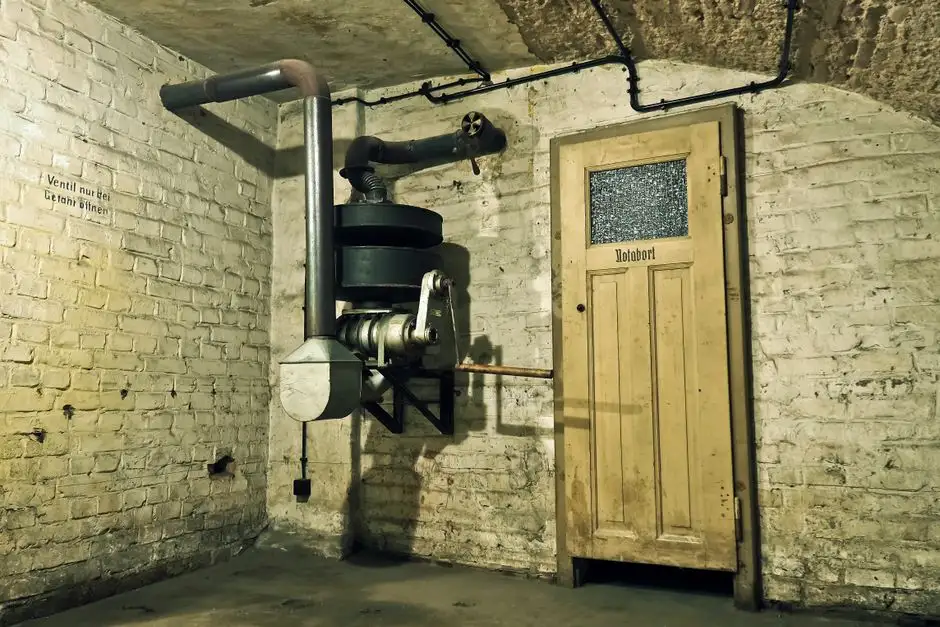
Explore an abandoned underground air raid shelter with vintage machinery and a wooden door.
Licensed Licensed & Bonded
Fully Insured Insured & Bonded
24/7 Emergency Same-Day Response
Warranty Backed Workmanship Guaranteed

What Basement Burst Pipe Cleanup Includes

Our service covers emergency assessment, standing-water extraction, cleaning of affected surfaces, and monitored drying of materials impacted by the pipe break. We document the wet area and explain what the readings show as equipment runs. Plumbing repairs and rebuilding damaged finishes are separate trades, but we identify where those follow-up tasks are needed so your cleanup does not end with hidden dampness.

Water Source Assessment

We identify the apparent leak path, confirm whether water is still entering, and check for related wet areas. You receive practical direction about shutting off the supply and keeping clear of electrical hazards. We do not replace plumbing repair work, but we help define the affected cleanup area.

Standing Water Extraction

We remove pooled water from floors, carpet, and accessible low spots using equipment suited to the water depth and basement access. For deeper water, pumps reduce the level before detailed extraction. We also clear water around edges and near fixed equipment where access allows.

Surface Cleaning

We clean affected hard surfaces and use appropriate antimicrobial cleaning agents when conditions call for them. Product use follows EPA-registered disinfectant label compliance, including contact time and surface compatibility. If water is contaminated, we select protective measures and cleaning procedures to match the exposure.

Structural Drying Setup

We place air movers and commercial dehumidifiers to support evaporation and moisture removal from affected materials. Equipment positions depend on room geometry, wet surfaces, and safe electrical access. We explain what to expect from the noise, airflow, and daily monitoring while the basement dries.

Moisture Monitoring

We take and compare readings during drying rather than deciding by appearance alone. Moisture meters help track materials at floors, walls, and framing, with readings recorded for the affected area. You receive an explanation of what is dry, what needs more time, and which repairs remain.

Basement Burst Pipe Cleanup in Illinois: The Work


Basement Burst Pipe Cleanup in Illinois is emergency water mitigation that removes water and dries basement materials after a pressurized pipe leaks or ruptures. We first stop the source when it is safe to do so, then extract standing water, separate salvageable belongings, and measure moisture in floors, walls, and framing. A small visible puddle can hide water beneath flooring or behind baseboards, so we map affected areas rather than relying on appearance. Drying equipment stays in place until readings show materials are approaching their established dry standard.

Illinois homes face frozen pipe failures during sharp winter cold, plus spring thaw and heavy rain that can add groundwater intrusion or sump pump failure to a pipe loss. Our Illinois basement pipe burst water extraction addresses the broken-line water itself and identifies secondary wet areas before they spread. If a pipe breaks overnight, emergency basement burst pipe cleanup in Illinois starts with shutting off the water supply and avoiding electrical hazards; we take over extraction and drying once access is safe.

What Happens During Cleanup

Basement Burst Pipe Cleanup in Illinois follows a measured sequence: make the area safe, remove water, dry affected materials, and verify progress. We explain each stage in plain language, keep walkways clear where possible, and tell you what equipment will run in your home. A straightforward loss can move quickly; hidden water or several affected rooms adds drying time.

01

Schedule

Call or book online — a real human picks up and confirms a 2-hour arrival window.

02

Diagnose

Licensed tech inspects on-site, then walks you through the cause and your options.

03

Fix

The job is completed to code and done right the first time — no shortcuts, no surprises.

04

Guarantee

Every job backed by a written workmanship warranty — and we stand behind it.

Equipment and Drying Methods

Tools & Equipment

Truck-mounted water extraction units

These units remove large volumes of accessible water through a hose routed from the basement. We use them where the entry path and setup allow, then detail remaining water with portable tools.

Submersible sump pumps

A pump lowers deeper pooled water before surface extraction begins. We monitor its placement and discharge so water is moved out of the work area without creating a new hazard.

Moisture meters

Meters provide readings in affected building materials and help track drying progress. We compare wet locations with unaffected reference areas rather than relying on touch or appearance.

XPOWER air movers

Air movers direct airflow across wet surfaces to support evaporation. We position them according to the room layout and adjust placement as moisture readings change.

Dri-Eaz commercial dehumidifiers

These units remove moisture from the air as it evaporates from materials. We select placement and operating conditions to support drying in the affected basement area.

Methods & Standards

ANSI/IICRC S500-informed restoration

We use the ANSI/IICRC S500 Standard for Professional Water Damage Restoration as a technical framework for assessment, water extraction, cleaning, and drying. The actual plan reflects the observed water condition and building materials. We document work as it progresses and explain why a particular method is appropriate.

Moisture mapping and verification

We establish reference readings, test affected materials, and revisit those locations during drying. Thermal imaging cameras can help identify areas for closer inspection, while direct meter readings guide decisions. Equipment is adjusted or removed based on measured progress, not a fixed timer alone.

Controlled surface cleaning

We remove soil and residue from affected surfaces before applying disinfectants where appropriate. Products are used according to label directions, including required contact time and compatible surfaces. Contaminated water changes the cleaning plan and protective equipment used by the crew.

When to Call for Pipe Cleanup

01

A basement ceiling pipe ruptures overnight, and water is pooling beneath the utility line.

What we do: We start by checking whether the source is controlled and whether the floor is safe to enter. Our crew extracts standing water, checks nearby walls and stored contents, and sets drying equipment based on measured wet areas. We also document visible damage for your records.

→ The active water is removed, the wet boundary is clearer, and the basement begins a monitored drying cycle instead of remaining saturated.

02

A frozen pipe thaws after a cold snap, leaking into a finished basement before you notice.

What we do: We check carpet edges, lower drywall, closets, and the route from the pipe to the visible puddle. Extraction removes accessible water, while moisture checks show whether the finished wall or flooring has absorbed it. We keep equipment placement focused on affected materials.

→ You learn which parts of the finished room need drying and which can remain in place, reducing unnecessary disruption while addressing concealed moisture.

03

A water heater connection fails near boxes and a basement floor drain.

What we do: We remove pooled water around the appliance and protect unaffected contents from splash and foot traffic. The crew checks the drain area for backup, tests adjacent flooring, and explains whether the water appears limited to the supply leak or involves another source.

→ The cleanup addresses the correct water condition, and you have a clear list of plumbing and drying steps before the room is put back into use.

How Pipe Cleanup Works Across Illinois

Basement Burst Pipe Cleanup in Illinois must account for a wide range of housing layouts and weather exposures. Northern communities face hard winter freezes that stress exposed lines and rim-joist plumbing, while rapid thaws and spring rain can raise groundwater pressure around foundations. Older basements may have stone or masonry walls, low ceilings, or narrow stair access; newer finished basements often conceal plumbing behind drywall and flooring. Our crew adjusts extraction routes and equipment placement to the building instead of forcing a standard setup. Basement pipe-break water cleanup in Illinois also depends on whether water stayed within a clean supply line or mixed with sewer backup or outdoor runoff. We follow applicable product labels and safe work practices, and we use the ANSI/IICRC S500 standard as a restoration reference. If a freeze causes a break at 2 a.m., shut off the supply if safe, keep clear of electrical hazards, and call for help. We document affected materials and coordinate the drying plan around the actual readings.

Neighborhoods We Serve

  • Chicago bungalow areas

    Tight utility rooms and finished lower levels can limit equipment access. We plan hose and machine placement to protect stairs and keep a safe path through the basement.

  • Older inner-ring suburbs

    Masonry foundations and later-finished interiors can conceal water at wall bases. We check transitions between exposed foundation and drywall rather than judging only visible surfaces.

  • Newer subdivision basements

    Open layouts often allow broad airflow, but carpet and stored belongings can hide water at edges. We map the affected floor area before setting drying equipment.

Local Conditions We Plan For

  • Subzero winter nights freeze pipes near exterior walls

    A break may remain unnoticed until water spreads across the floor or a thaw begins. We check adjoining rooms and pipe routes for moisture, then dry materials after the line is controlled.

  • Spring thaw raises groundwater around basement foundations

    Groundwater or stormwater seepage can add moisture after the pipe leak is stopped. We distinguish continuing intrusion from residual water and identify whether drainage or sump follow-up is needed.

  • Older basement layouts restrict stairs and equipment access

    Low clearances and narrow turns affect what equipment can reach the lower level. We select portable extraction options where larger units cannot be safely positioned, without skipping moisture checks.

Frozen Line, Finished Room

Before

A line along a cold exterior wall split during a freeze, leaving a shallow layer of water beneath carpet and wetting the lower drywall. Several storage boxes blocked the room edge, and the visible puddle did not show how far moisture had travelled beneath the floor covering.

After

We extracted pooled water, moved salvageable contents out of the airflow path, and mapped wet areas across the floor and wall base. Air movers and dehumidification ran for four days, with readings checked during the cycle. The basement was left with a documented dry status for the affected materials and a clear repair handoff.

Maintenance: Keep stored items several inches above the floor and avoid blocking exterior-wall airflow. Before winter, check exposed basement piping and maintain a stable indoor temperature during prolonged cold.

Before

A fitting near a water heater failed while the homeowner was away, wetting the utility-room floor and reaching the adjacent storage area. Water remained around the appliance base, and cardboard containers held moisture against the concrete.

After

The crew removed standing water, sorted wet and dry contents, and checked the adjacent wall and floor. Extraction took about three hours; drying equipment remained for three days while readings improved. The homeowner received photographs and a moisture summary to support the next repair decisions.

Maintenance: Inspect visible supply connections periodically and replace worn components through a plumber. Keep a clear route to the main water shutoff so you can stop flow quickly if a fitting lets go.

Before

A basement pipe leaked during heavy rain while the sump pump was not keeping up. Water reached the lowest floor area, mixing supply-line water with dampness near the foundation and making the source of each wet patch unclear.

After

We pumped down the pooled water, extracted remaining floor water, and tested separate areas around the pipe route and foundation. The crew identified distinct wet zones and set drying equipment for the affected materials. Cleanup progress was reviewed over five days, with sump and drainage follow-up noted separately.

Maintenance: Test the sump system before seasonal rain and keep its discharge route clear. A plumber can inspect the pump and check valve, while foundation or drainage concerns should be corrected at their source.

Problems Solved After a Frozen Pipe Basement Flood

A burst basement line creates more than a puddle: water can travel beneath flooring, soak stored goods, and reach wall cavities before the source is noticed. Our cleanup targets the water and the moisture it leaves behind. We focus on preventing avoidable spread and giving you a documented route back to a usable basement.

Problem

Water keeps spreading after a pipe splits behind a finished wall.

Uncontrolled flow can saturate insulation, drywall, and flooring, increasing demolition needs and extending drying time. Surface cleanup alone leaves concealed moisture behind.

Our Fix

We help you control the water source, trace visible pathways, and test suspect wall and floor areas. Where readings indicate trapped moisture, we explain the access needed to dry or remove affected materials. We extract standing water first, then set drying equipment around the actual wet zone instead of treating the whole basement blindly.

Problem

Cold-weather pipe failure leaves water beneath carpet and stored boxes.

Wet carpet backing and cardboard hold moisture against the floor, while belongings can block airflow. Delayed removal raises the chance of odor and material deterioration.

Our Fix

We separate wet contents from dry items, extract accessible carpet water, and move equipment to improve airflow over the floor. If the event follows a freeze, we check nearby pipe routes and surrounding materials for additional wetness. Your salvageable belongings are kept out of the active drying path where practical.

Problem

A pipe break mixes with sump failure or stormwater seepage.

Multiple water sources complicate cleanup because outdoor water or sewer contamination cannot be handled like clean supply-line water. Equipment and cleaning choices must match conditions.

Our Fix

We assess water quality and identify whether sump pump failure, groundwater intrusion, or stormwater seepage is contributing. We remove bulk water, isolate contaminated areas when needed, and use suitable cleaning practices. You get a clear explanation of which source needs plumbing, drainage, or foundation follow-up.

A Drier Basement, With Less Guesswork

A Drier Basement, With Less Guesswork

A burst pipe can soak carpet, drywall, stored boxes, and the edge of a finished room in minutes. We focus on stopping the spread, documenting what is wet, and giving you a clear path from standing water to dry structure. You see the measurements and the work, not just a fan left running.

  • Water Out, Sooner

    We use water extraction wands and high-capacity equipment to remove standing water before it migrates farther through flooring. On an accessible basement floor, initial extraction often takes a few hours; larger or obstructed spaces take longer. You get a direct update on the affected rooms and what remains wet.

  • Hidden Moisture Checked

    Water behind trim or beneath flooring can remain after the surface looks dry. We use moisture meters to compare affected materials with dry reference areas and record readings during the job. That check helps you avoid closing up damp cavities where moisture damage and mold growth can develop.

  • Belongings Sorted Carefully

    We separate wet contents from dry items, elevate what can be saved, and use absorbent pads or protective sheeting where appropriate. Your stored boxes are not all treated alike: porous items, electronics, and clean hard goods require different handling. You get practical priorities rather than a pile moved into another wet area.

  • Clear Next Steps

    We explain the difference between water removal, structural drying, and any repair work that follows. If the break also damaged a finished wall or insulation, we identify the moisture boundary and explain what must be removed to reach dry material. You can make decisions with measurements and photographs in hand.

Practical Water-Damage Experience

Our work is built around disciplined assessment, safe extraction, and documented drying rather than guesswork. Technicians trained as an IICRC Water Damage Restoration Technician understand water categories, material response, and drying principles; Applied Structural Drying training supports equipment placement and daily monitoring. We follow the ANSI/IICRC S500 Standard for Professional Water Damage Restoration as a technical reference, and use personal protective equipment appropriate to site conditions. We do not claim a set number of years or jobs; we show you the readings, explain the method, and keep the work focused on your basement.

  • IICRC Water Damage Restoration Technician training supports sound assessment, extraction, and structural drying decisions.
  • Moisture readings are tracked over time so you can see whether floors, framing, and wall materials are responding.
  • Crew members use appropriate personal protective equipment and follow OSHA Hazard Communication Standard practices for chemical handling.
  • We distinguish clean supply-line water from sewer backup or other contaminated floodwater before selecting cleaning measures.
  • Daily equipment checks help maintain airflow and dehumidification as the wet area changes.
Get Started Today
Practical Water-Damage Experience

Basement Pipe Cleanup Questions

Real answers to the questions we hear most often from local homeowners and property managers.

Who should I call for basement burst pipe cleanup in Illinois?
Call a water-damage cleanup crew experienced with extraction and structural drying, and contact a plumber to repair the broken line. We remove water, check affected materials, and set drying equipment after the water source is controlled and the area is safe. If water is near electrical panels or outlets, keep clear and arrange safe power isolation before entering. For a major leak, call your insurer as well and photograph damage when it is safe.
What should I do before pipe-break water cleanup arrives?
Shut off the water at the nearest safe valve and keep people away from standing water near electrical equipment. Move dry valuables only if the route is safe, and photograph the damage without entering hazardous areas. Do not use a household vacuum on floodwater. For how to handle a burst pipe before cleanup arrives in Illinois, the safest priorities are source control, avoiding electrical contact, and keeping children and pets out of the basement.
How long does cleanup after a basement pipe burst take?
Water extraction often takes two to six hours, while structural drying commonly runs three to five days. The schedule depends on water volume, basement temperature, materials, airflow, and whether water is trapped beneath flooring or inside wall cavities. We check moisture readings during the job and adjust equipment as conditions change. Repairs such as replacing drywall or flooring happen after the affected materials are dry and are separate from the extraction and drying phase.
Does homeowners insurance cover basement burst pipe cleanup?
Homeowners policies often cover sudden, accidental pipe leaks, but coverage depends on your policy, the cause, and maintenance history. Gradual seepage or neglected damage may be treated differently from a sudden rupture. We document visible conditions, affected areas, and drying progress to support your claim file, but your insurer makes the coverage decision. Call the carrier promptly, keep damaged parts if requested, and save receipts and photographs.

Related Water-Damage Services

Emergency Basement Water Removal

A pipe rupture can leave water spreading faster than a homeowner can manage with towels or a small pump. Emergency removal focuses on rapid extraction and immediate stabilization, then hands off to measured drying. We help you address standing water before it reaches more stored belongings or finished rooms.

View Emergency Basement Water Removal

Basement Flood Cleanup

A broken supply line may be only one source in a flooded basement; stormwater or a failed sump system can add to the loss. Flood cleanup addresses water removal, surface cleaning, and affected contents as one coordinated job. We identify the source conditions so cleanup matches the water present.

View Basement Flood Cleanup

Basement Water Extraction

Extraction is the first physical step after a pipe break: removing pooled water from floors, carpet, and low spots. We select pumps or extraction units based on depth and access, then check remaining moisture in nearby materials. This service supports a complete drying plan rather than replacing it.

View Basement Water Extraction

Basement Pump-Out Services

When water is deep enough to pool across a basement, pump-out equipment can lower the level before detailed extraction begins. We monitor the discharge route and protect the work area while removing bulk water. After the level drops, we address residual water at edges and beneath accessible contents.

View Basement Pump-Out Services

Basement Sewage Cleanup

A burst pipe can occur alongside a sewer backup, but contaminated water requires a different handling and cleaning plan. Sewage cleanup isolates the affected zone, protects workers and occupants, and uses suitable disinfectants after solids and water are removed. We assess water quality before treating surfaces as clean.

View Basement Sewage Cleanup

Basement Storm Water Cleanup

Heavy rain can push stormwater into a basement already affected by a broken pipe. Storm cleanup addresses the combined water sources, sediment, and wet building materials, while identifying entry points that need repair. We separate the cleanup tasks so clean supply-line water is not confused with outdoor runoff.

View Basement Storm Water Cleanup

Get Basement Burst Pipe Cleanup in Illinois

A broken line can keep feeding water into your basement until the source is controlled. Our crew removes standing water, checks wet materials, and explains the drying plan. Call now to arrange service and get clear next steps from our team.

Call Now Call for Cleanup

Contact Our Referral Team

Call +1 866-896-8166 any time to report basement flooding, a sump pump failure, or a sewer backup in Illinois. Tell us your city, whether water is still entering, and if the water may be contaminated. We route your request to an independent company serving your area so you can discuss the next steps directly.

Or call us right now at +18668968166 — we answer.

Illinois Basement Water Removal Pros


  • Phone

    +18668968166
  • Address

    Illinois

  • Hours

    Mon–Fri: 7AM – 7PM
    Sat: 8AM – 4PM
    Sun: Emergency Only
    24/7 Emergency Available

Call +18668968166 Get Quote
Call Quote