
Logo
Get Estimate

Basement Water Removal in Chicago for Flooded Basements

Basement Water Removal in Chicago starts with stopping the water source and clearing standing water before it spreads into walls, stored belongings, and finished rooms. Illinois Basement Water Removal Pros handles flooded basements across Chicago, from older buildings near The Loop to homes in Hyde Park and Lincoln Park. Lake Michigan shoreline influences local groundwater and drainage conditions, so we check how water entered before choosing the pump-out and drying plan.

Call for Help Get Service Details
Emergency availability Chicago ZIP coverage Direct phone support
Licensed Licensed & Bonded
Fully Insured Insured & Bonded
24/7 Emergency Same-Day Response
Warranty Backed Workmanship Guaranteed in Chicago
Chicago

Basement Water Removal in Chicago, Done Locally


Basement Water Removal in Chicago is an emergency cleanup service that removes unwanted basement water, addresses contamination, and dries affected building materials after leaks or flooding. Illinois Basement Water Removal Pros works across Chicago with a practical sequence: identify the source, assess water conditions, extract water, clean affected surfaces, and monitor drying. We handle basement flooding, sump pump failure, burst water pipes, appliance leaks, and stormwater seepage in older buildings as well as newer properties. For basement water extraction in Chicago, Illinois, the method depends on water depth, access, and whether the water is clean or contaminated. We use submersible sump pumps for deeper water and water extraction wands for floor-level moisture. Our technicians follow the ANSI/IICRC S500 Standard for Professional Water Damage Restoration as a reference for restoration work. If water has reached electrical equipment, avoid entering the area and call for urgent help. We serve residents and property managers from Pilsen and Bridgeport through Rogers Park, coordinating access around occupied homes and busy streets.

  • Locally licensed and insured in Chicago
  • Same-day diagnostics and written estimates
  • Real workmanship warranty in writing
  • Background-checked, in-house technicians

Chicago Basement Water Removal Services

Chicago basements face water problems from plumbing failures, pump breakdowns, groundwater, and intense rain. We ask whether the water is clear, gray, or sewage-contaminated, then choose extraction equipment and protective measures accordingly. For 24/7 basement water removal in Chicago, Illinois, call with the address, approximate water depth, and any immediate hazards; that information helps us plan equipment and safe access. Our crews handle residential and commercial properties, including finished basements and shared utility rooms. We remove water first, then address wet materials and drying needs.

Emergency Basement Water Removal

Emergency Basement Water Removal

If water is rising in your basement after a pipe break or failed pump, call us to start emergency extraction. We plan entry and equipment for Chicago properties with tight stairs, shared halls, or street-side access, including buildings around The Loop. We first check for electrical hazards and water contamination, then remove water and identify the source.

View Details
Basement Flood Cleanup

Basement Flood Cleanup

Flood cleanup covers more than a wet floor: we remove water, sort affected materials, clean surfaces, and set drying equipment where needed. In Chicago, summer storms and sewer surcharge can affect basements in older buildings. We keep the work area organized and explain which materials need cleaning, drying, or removal.

View Details
Basement Water Extraction

Basement Water Extraction

Our extraction process matches the water depth and floor surface. Truck-mounted water extraction units support larger accessible areas, while portable wet/dry vacuums and extraction wands reach smaller rooms and edges. In Chicago homes, we check beneath stored items and along wall-floor joints so water is not left behind in hidden low spots.

View Details
Basement Pump-Out Services

Basement Pump-Out Services

When several inches of water collect, a controlled pump-out clears the bulk before detailed extraction and drying begin. We use submersible sump pumps with suitable discharge routing and monitor the water level as it drops. Chicago's tight lot access and shared building entries make planning the hose route important to a safe, orderly job.

View Details
Basement Sewage Cleanup

Basement Sewage Cleanup

Sewage backup exposes occupants and materials to contaminated floodwater, so we isolate the affected area and use appropriate protective equipment. We remove contaminated water and unsalvageable porous materials, clean surfaces with disinfectants, and follow EPA-registered disinfectant label compliance. Tell us if a floor drain or toilet overflow started the problem.

View Details
Basement Storm Water Cleanup

Basement Storm Water Cleanup

Stormwater can enter through foundation cracks, window wells, or overwhelmed drainage routes during heavy rain. We extract water, inspect affected walls and flooring, and set drying equipment based on readings. For Chicago properties, we also look for recurring entry points so you can address the outside drainage issue after immediate cleanup.

View Details
Basement Sump Pump Failure Cleanup

Basement Sump Pump Failure Cleanup

A failed sump pump can leave water across a utility area before you notice the alarm or loss of power. We pump out the basement, check the pit and discharge route, and assess wet materials. If a replacement sump pump check valve is needed, we identify that repair need rather than treating extraction as the whole solution.

View Details
Basement Burst Pipe Cleanup

Basement Burst Pipe Cleanup

A split pipe can release water quickly, especially after a hard freeze or during an unheated period. We help you locate and stop the flow, extract water from floors and accessible cavities, and dry affected areas. In older Chicago buildings, we pay close attention to plaster, masonry, and shared plumbing routes.

View Details
Basement Appliance Leak Cleanup

Basement Appliance Leak Cleanup

A leaking washer, water heater, or utility sink can soak nearby flooring and stored belongings before the source is obvious. We extract water, clean the affected surface, and check nearby materials for retained moisture. In Chicago basements with compact laundry areas, we work carefully around appliances and access points.

View Details
Basement Groundwater Intrusion Cleanup

Basement Groundwater Intrusion Cleanup

Groundwater intrusion often appears at wall-floor joints or through masonry after prolonged rain or snowmelt. We remove standing water, assess the affected perimeter, and dry the basement while identifying the likely entry path. Conditions influenced by the Lake Michigan shoreline and local drainage patterns make source assessment important in Chicago.

View Details
Emergency Basement Water Removal in Chicago
Service · #1

Emergency Basement Water Removal in Chicago


Basement Water Removal in Chicago helps limit damage when a pipe breaks, a drain backs up, or heavy rain reaches a lower level. Illinois Basement Water Removal Pros responds across neighborhoods such as Logan Square, Bridgeport, and Hyde Park, where older masonry homes and two-flats often have below-grade rooms. We assess the water source, prioritize safety, and begin extraction promptly, with a plan suited to the building and the severity of flooding.

Rapid Arrival And Assessment

Our crew checks access, electrical hazards, water depth, and the likely source before equipment enters the basement. For urgent calls, 24/7 basement water removal in Chicago, Illinois can help homeowners act during overnight pipe failures or sudden storm flooding. We coordinate arrival details with residents in Lakeview and nearby areas, then explain the immediate steps and what conditions may require utility or plumbing attention.

Controlled Water Extraction

Portable pumps and extraction tools remove water while protecting stairs, finished flooring, and stored belongings wherever conditions allow. In dense blocks of Ukrainian Village, narrow side entrances and compact cellar stairs can affect equipment placement, so we plan the route before moving in. The team separates salvageable items from saturated materials and tracks remaining water in low spots, utility corners, and beneath accessible furnishings.

Stabilizing The Basement

After standing water is removed, we set drying equipment according to affected materials and room layout. Chicago's humid summers and cold-season temperature swings can slow drying in stone foundations and older plaster, so readings guide equipment adjustments. We document visible conditions, discuss follow-up monitoring, and identify areas that may need additional cleaning or repairs rather than assuming that a dry-looking surface means the structure is fully dry.

  • Assess hazards, water depth, and source before starting removal.
  • Extract accessible standing water with suitable pumps and wet vacuums.
  • Place air movers and dehumidifiers around affected basement materials.
  • Record moisture readings and outline recommended follow-up actions.

Basement Flood Cleanup in Chicago


Basement flood cleanup in Chicago addresses the mess left after water reaches floors, walls, storage, and mechanical spaces. From vintage greystones in Bronzeville to brick bungalows in Portage Park, basement finishes and drainage conditions vary considerably. Illinois Basement Water Removal Pros removes floodwater, sorts affected contents, and cleans impacted surfaces with methods selected for the water source, helping residents move from an active flood toward a safer, more orderly recovery.

  1. 01

    Cleaning After Floodwater

    Once water is removed, crews clear loose debris and clean surfaces that can be safely treated. Our emergency basement flood cleanup Chicago service considers whether the flood came from rain, a plumbing failure, or a drain, since each source changes handling precautions. In Albany Park, where intense downpours can overwhelm older drainage systems, we pay close attention to residue along floor edges, stairwells, and utility-room thresholds.

  2. 02

    Contents And Material Decisions

    We review affected rugs, boxes, furniture, and stored household goods with the owner before moving or discarding items. Finished basements in Beverly may combine drywall, wood trim, and carpet, which respond differently after soaking. The team identifies items that can be cleaned, separates materials needing specialized attention, and keeps pathways clear for safe work. This practical sorting prevents unnecessary disposal while making the cleanup process easier to manage.

  3. 03

    Drying And Recovery Steps

    Cleaning is followed by a drying setup based on moisture readings, airflow, and the basement's construction. For professional basement flood restoration in Chicago, we monitor lower wall sections, subfloor edges, and enclosed corners that may retain moisture. Chicago's freeze-thaw cycles can stress foundation masonry, so we also note visible cracks or seepage paths for the owner to discuss with an appropriate repair professional.

  • Remove flood debris and clean accessible hard basement surfaces.
  • Sort wet belongings into salvage, cleaning, and disposal groups.
  • Set drying equipment based on room layout and moisture readings.
  • Provide a documented list of affected materials and next steps.
Basement Flood Cleanup in Chicago

02 / 10

Service

5+ YEARS · CHICAGO

Basement Water Extraction in Chicago

Basement water extraction in Chicago removes pooled water before it spreads into finishes, stored possessions, or mechanical equipment. In neighborhoods including Rogers Park and Irving Park, older homes may have uneven concrete floors and narrow basement entries that complicate access. Illinois Basement Water Removal Pros selects extraction equipment for the water depth and site conditions, then checks low points and concealed edges so the first pass does not overlook lingering pools.

Choosing Extraction Equipment

Technicians match submersible pumps, portable extractors, and wet vacuums to the water volume and the floor surface. Our basement water extraction in Chicago, Illinois service accounts for tight stairs common in older North Side buildings and the need to protect finished spaces during equipment movement. We also consider whether water contains debris, which can affect pump selection and require careful handling around drains and utility areas.

Reach Low And Hidden Areas

Water often collects under workbenches, around floor drains, or at a basement's lowest corner after the visible pool is gone. In Avondale two-flats, sloped floors and partitioned storage rooms may create separate pockets that call for repeated checks. Crews reposition hoses and extraction tools methodically, moving accessible items only with permission. This detail-oriented pass helps reduce residual water before drying equipment is installed.

Verify The Removal Work

After extraction, we inspect the floor and accessible edges for remaining moisture and document any areas that still need attention. Residents receive a clear account of what was removed and what drying work follows. For properties near the Chicago River, where damp conditions can persist, equipment placement and monitoring may need adjustment over time. Extraction addresses pooled water; it does not replace repairs to the source.

  • Select pump and extraction tools for water depth and debris.
  • Remove pooled water from open floors and accessible corners.
  • Check beneath movable items and beside floor drains.
  • Document residual moisture concerns and recommended drying equipment.
Basement Pump-Out Services in Chicago

Basement Pump-Out Services in Chicago


Basement pump-out services in Chicago help clear substantial water after cloudbursts, drainage failures, or a compromised sump system. Homes near the lakefront and low-lying blocks in the West Loop can face different flooding conditions, while older basements may have limited access. Illinois Basement Water Removal Pros evaluates water level and discharge options before pumping, then follows removal with a careful check of floor depressions and the condition of nearby equipment.

Evaluate water depth, pump capacity, and safe hose routing.

Promise

“A suitable pump setup depends on water depth, debris, electrical safety, and an appropriate discharge route. Our standing water pump-out for basements in Chicago service is planned around access constraints, including…”

— Chicago customer
Pump Setup For Deep Water +

A suitable pump setup depends on water depth, debris, electrical safety, and an appropriate discharge route. Our standing water pump-out for basements in Chicago service is planned around access constraints, including narrow areaways in Lincoln Park and compact cellar doors. Technicians position hoses to reduce trip hazards, protect nearby belongings, and maintain a controlled flow while watching for changes in water level and pump performance.

Managing Discharge Safely +

Before starting, the crew considers where pumped water can be directed without creating a new hazard or sending it back toward the foundation. Chicago's combined sewer areas can experience pressure during heavy rainfall, so discharge decisions require attention to site conditions and local requirements. We keep the homeowner informed, monitor hose placement, and adjust the setup if water begins pooling near entrances or neighboring properties.

After The Water Drops +

Once pumping lowers the water, smaller extractors can collect shallow residue that a primary pump cannot reach. We inspect around furnace pads, storage partitions, and floor drains in basements across McKinley Park, then recommend drying based on what remains damp. Pump-out is an important first phase, but saturated materials and hidden moisture still need separate assessment before the space is ready for normal use.

  • Evaluate water depth, pump capacity, and safe hose routing.
  • Install pumping equipment and monitor water-level changes.
  • Collect shallow residual water after the main pump-out.
  • Inspect equipment areas and recommend appropriate drying measures.
Basement Sewage Cleanup in Chicago
Service · #5

Basement Sewage Cleanup in Chicago


Basement sewage cleanup in Chicago requires prompt containment when a drain or sewer line sends contaminated water indoors. In neighborhoods such as Bridgeport and Pilsen, older plumbing and below-grade fixtures can make backups especially disruptive. Illinois Basement Water Removal Pros assesses affected areas, limits unnecessary foot traffic, and separates contaminated contents from other belongings. Our team explains safe access and cleanup steps before work begins, with attention to the source and the materials exposed.

Contain The Affected Area

We establish a controlled work area and identify safe routes around contaminated water before removal begins. A sewer backup water cleanup company serving Chicago, Illinois should distinguish sewage from clean-water incidents because protective procedures and disposal needs differ. In older Humboldt Park basements, floor drains and laundry connections may be close together, so crews inspect the affected footprint and avoid spreading residue into adjoining rooms.

Remove Contaminated Materials

Technicians extract sewage water and handle porous materials according to their condition and exposure. Carpet padding, cardboard storage, and some upholstered items may not be suitable for ordinary cleaning after contact. In multi-unit buildings around Uptown, we coordinate access with residents and building contacts to keep shared stairs clear. The crew documents items requiring disposal and cleans remaining treatable surfaces using appropriate procedures.

Clean And Dry Safely

Following removal, affected hard surfaces receive focused cleaning, while drying equipment is set only after contaminated materials are addressed. We explain which spaces remain restricted and what follow-up checks may be needed. Chicago's humid weather can extend drying in enclosed cellar rooms, especially where masonry walls meet finished framing. When a plumbing defect caused the event, we recommend confirming repairs before returning stored items.

  • Establish controlled access around sewage-affected basement areas.
  • Extract contaminated water using appropriate protective procedures.
  • Separate porous materials requiring disposal from treatable belongings.
  • Clean affected surfaces and document areas needing further attention.

Basement Storm Water Cleanup in Chicago


Basement storm water cleanup in Chicago tackles rain-driven water and debris that enter during intense downpours. In Jefferson Park and along parts of the Northwest Side, overwhelmed drains, window wells, and grading issues can send runoff toward foundations. Illinois Basement Water Removal Pros identifies likely entry points while addressing interior water, helping homeowners understand whether the immediate problem came through a drain, a low opening, or seepage along basement walls.

  1. 01

    Trace Rainwater Entry Paths

    Crews examine window wells, exterior stairs, floor drains, and foundation seams for clues about how stormwater entered. After an emergency flooded basement cleanup near Chicago, Illinois, this source review helps distinguish surface runoff from a plumbing backup. In Norwood Park, where heavy rainfall can collect near older homes, we note visible grading concerns and water marks without overstating what can be confirmed during cleanup.

  2. 02

    Clear Mud And Rain Residue

    Stormwater can leave grit, leaves, and fine sediment across concrete floors and along the base of walls. We remove loose debris before cleaning treatable surfaces, paying attention to laundry areas and storage alcoves in Edison Park homes. Items are moved only as needed and with owner approval. Clearing residue promptly makes it easier to inspect surfaces and set drying equipment effectively after the water is gone.

  3. 03

    Prepare For Drying Conditions

    Rain-soaked basements may remain damp even after extraction, particularly when cool foundation walls meet warm, humid summer air. We place dehumidifiers and air movers according to room shape, material readings, and access. In Chicago's spring storm season, crews also explain the value of checking window-well covers and drainage paths after cleanup. Follow-up drying helps address moisture that is not visible on the floor.

  • Inspect window wells, drains, and visible foundation entry points.
  • Remove storm debris and sediment from accessible basement floors.
  • Clean affected hard surfaces before positioning drying equipment.
  • Record moisture concerns and potential exterior drainage observations.
Basement Storm Water Cleanup in Chicago

06 / 10

Service

5+ YEARS · CHICAGO

Basement Sump Pump Failure Cleanup in Chicago

Basement sump pump failure cleanup in Chicago helps when a failed pump, power interruption, or stuck float allows groundwater to rise. In bungalow neighborhoods like Belmont Cragin and Jefferson Park, sump pits and finished lower levels are common features, but system layouts differ by property. Illinois Basement Water Removal Pros removes water, checks the area around the pit, and assesses affected flooring and stored items before recommending a practical drying plan.

Respond To A Failed Pump

We first check the water level, electrical conditions, and whether the pump is still receiving power, without disturbing unsafe equipment. For 24/7 basement water removal in Chicago, Illinois, a rapid call can be important during overnight storms or spring thaw. Technicians serving Norwood Park and nearby blocks coordinate access and begin extraction while the owner or plumber investigates the pump failure.

Protect Nearby Basement Systems

Sump failures can affect furnace areas, water heaters, storage shelves, and finished rooms located near the pit. We map water spread and identify equipment that should remain untouched until conditions are safe. In Chicago bungalows with converted recreation rooms, carpet and wall finishes may conceal moisture beyond the visible wet edge. The crew documents affected zones and moves belongings carefully to preserve access for drying.

Dry After Pump Restoration

Once water is removed and the pump issue is addressed by the appropriate professional, we dry impacted materials and monitor readings. Airflow must reach corners around the sump basin and the base of finished walls. Chicago's seasonal groundwater changes can bring repeat pressure on foundation systems, so we note recurring seepage patterns for discussion with a drainage specialist. Cleanup and pump repair are related but distinct tasks.

  • Inspect water depth and visible conditions around the sump pit.
  • Extract water from floors and accessible equipment areas.
  • Document affected finishes and belongings near the failed system.
  • Set drying equipment after pump and electrical concerns are addressed.
Basement Burst Pipe Cleanup in Chicago

Basement Burst Pipe Cleanup in Chicago


Basement burst pipe cleanup in Chicago reduces damage after a supply line, heating pipe, or fixture connection releases water indoors. Cold snaps can threaten exposed plumbing in older brick homes across Albany Park and West Ridge, while finished basements add materials that need prompt attention. Illinois Basement Water Removal Pros coordinates extraction with the owner's plumbing response, protects accessible contents, and evaluates damp areas beyond the obvious puddle.

Confirm the leak has stopped before beginning water removal.

Promise

“After the leak is stopped, technicians trace water from the pipe location across floors, storage spaces, and nearby wall bases. Our affordable basement water extraction services in Chicago, Illinois focus first on poo…”

— Chicago customer
Locate Water Spread +

After the leak is stopped, technicians trace water from the pipe location across floors, storage spaces, and nearby wall bases. Our affordable basement water extraction services in Chicago, Illinois focus first on pooled water and then on areas where it may have run behind stored items. In Edgewater apartments, shared utility rooms and tight access can require a careful work sequence to limit disruption.

Extract And Sort Contents +

We remove water with equipment suited to the floor and separate affected belongings for cleaning or further evaluation. Boxes, area rugs, and items stored below a burst pipe can absorb water quickly, while sealed containers may remain unaffected. In older Avondale homes, crews protect narrow stairways and keep pathways open for plumbers. The homeowner receives clear guidance before any item is moved or discarded.

Dry Materials And Document +

Once extraction is complete, moisture readings help determine equipment placement around framing, drywall, and concrete. We document visible damage and monitor drying conditions rather than relying on surface appearance alone. Chicago winter heating can dry exposed air while moisture lingers behind finishes, so follow-up checks matter. If walls or ceilings remain saturated, we identify them for additional assessment after the plumbing repair is complete.

  • Confirm the leak has stopped before beginning water removal.
  • Extract pooled water from pipe-affected floors and corners.
  • Sort wet contents with owner approval and record affected items.
  • Measure moisture and position drying equipment around impacted materials.
Basement Appliance Leak Cleanup in Chicago
Service · #9

Basement Appliance Leak Cleanup in Chicago


Basement appliance leak cleanup in Chicago addresses water from washing machines, water heaters, freezers, and utility sinks. In two-flats across Ravenswood and multi-unit buildings in Lakeview, laundry and mechanical spaces are often tucked into compact basements where water can spread beneath shelving. Illinois Basement Water Removal Pros traces the wet footprint, extracts pooled water, and checks adjacent materials so a small appliance failure does not go untreated behind stored belongings.

Find The Leak Footprint

The crew identifies the appliance area and follows visible water along floor seams, under nearby storage, and toward drains. Our basement water cleanup company Chicago service considers how a washer overflow differs from a slow water-heater leak, since duration affects affected materials. In Lincoln Square homes, tight utility closets can hide dampness at the wall base, so we inspect accessible edges before placing equipment.

Protect Utility Room Contents

We move accessible laundry supplies, boxes, and small furnishings with the owner's approval, keeping clear of electrical connections and hot equipment. Water from a failed appliance can affect nearby drywall or the underside of stairs even when the main puddle is modest. In Chicago's older courtyard buildings, shared basement corridors require tidy hose and equipment placement. We keep the work zone organized while documenting items that need separate attention.

Dry Around Appliances

After water extraction, air movers and dehumidifiers are positioned to reach floor edges and the spaces around appliance stands. Technicians avoid interfering with repair work and advise owners to confirm the appliance is safe before reuse. Seasonal humidity in Chicago can keep enclosed laundry rooms damp, so moisture readings help guide equipment duration. The final review notes remaining concerns and any materials that may need further inspection.

  • Trace water from the appliance to adjacent basement surfaces.
  • Extract pooled water without disturbing unsafe electrical connections.
  • Move approved belongings and keep utility-room access unobstructed.
  • Position drying equipment and document moisture near appliance stands.

Basement Groundwater Intrusion Cleanup in Chicago


Basement groundwater intrusion cleanup in Chicago responds to seepage through foundation joints, floor cracks, and porous masonry. In older homes across Beverly and Back of the Yards, seasonal groundwater and heavy rain can leave damp floors or recurring wall stains. Illinois Basement Water Removal Pros removes accumulated water, documents visible intrusion patterns, and dries affected areas while helping owners distinguish an immediate cleanup need from longer-term foundation or drainage repairs.

  1. 01

    Assess Seepage Patterns

    We examine where water appears, how far it has spread, and whether staining suggests a recurring path. Illinois basement water removal in Chicago includes practical attention to older limestone and brick foundations found across neighborhoods such as Bridgeport. Technicians note active seepage, floor-joint wetness, and nearby downspouts visible from the property, while making clear that a cleanup assessment does not replace a foundation inspection.

  2. 02

    Remove Accumulated Groundwater

    Water that gathers along a wall or in a low floor section is extracted with tools suited to the volume and access. Crews serving Pullman and nearby South Side blocks check behind stored items and around utility platforms, where groundwater may collect unnoticed. We keep the route to the exit safe and avoid covering active seepage with equipment. Once the surface water is removed, readings help guide the next drying stage.

  3. 03

    Dry And Note Recurrence

    Drying focuses on damp masonry, floor edges, and any affected contents, with equipment adjusted as readings change. In Chicago, spring rain and shifting winter temperatures can make basement moisture recur, especially where exterior drainage is limited. We record observed conditions and suggest that owners discuss persistent entry points with a qualified drainage or foundation professional. This gives the cleanup record useful context for future repair planning.

  • Map visible seepage paths and record damp foundation locations.
  • Extract groundwater pooled along walls and low floor sections.
  • Set drying equipment for masonry, concrete, and affected contents.
  • Provide observations for follow-up with drainage or foundation professionals.
Basement Groundwater Intrusion Cleanup in Chicago

10 / 10

Service

Residential Basement Water Removal

Residential Basement Water Removal in Chicago

Chicago homeowners call us after a sump pump failure, a burst pipe, stormwater seepage, or an appliance leak turns a basement into a cleanup job. The city's housing includes older masonry buildings, multi-unit properties, and single-family homes, so access and finishes vary from one address to another. We protect the route into the work area, remove standing water, and check affected floors and lower walls. For basement water cleanup company Chicago homeowners need after a drain backup, we assess contamination before handling belongings. We also tell you what source repair remains necessary, whether that is a plumber, pump service, or exterior drainage contractor. If your basement is used for laundry, storage, or family space, quick extraction helps limit damage to those everyday areas.

  • Family-room water extraction — We remove water from finished basement rooms and check floor edges, closets, and the space around stored furniture. In Chicago homes, narrow stairs and finished surfaces affect equipment choice. We explain what can be dried in place and what needs removal after checking water condition and material exposure.
  • Laundry and utility leak cleanup — A washer hose, water heater, or utility sink can spread water across a basement before the source is obvious. We extract the water, check nearby walls and stored items, and help you identify the leak location. Chicago homeowners get a clear split between cleanup work and appliance or plumbing repair.
  • Sump failure pump-out — When a sump pump stops during rain or snowmelt, we remove standing water and inspect the affected floor area. We check accessible pit and discharge conditions, then document where drying is needed. You can arrange pump repair while we handle water extraction and cleanup in your Chicago basement.
  • Contaminated drain-backup cleanup — A drain backup needs controlled handling, not ordinary mopping. We keep household members away from the affected room, extract contaminated water, and clean hard surfaces using appropriate products. In Chicago, we also ask whether the backup followed heavy rain or a plumbing blockage to help identify the next repair step.
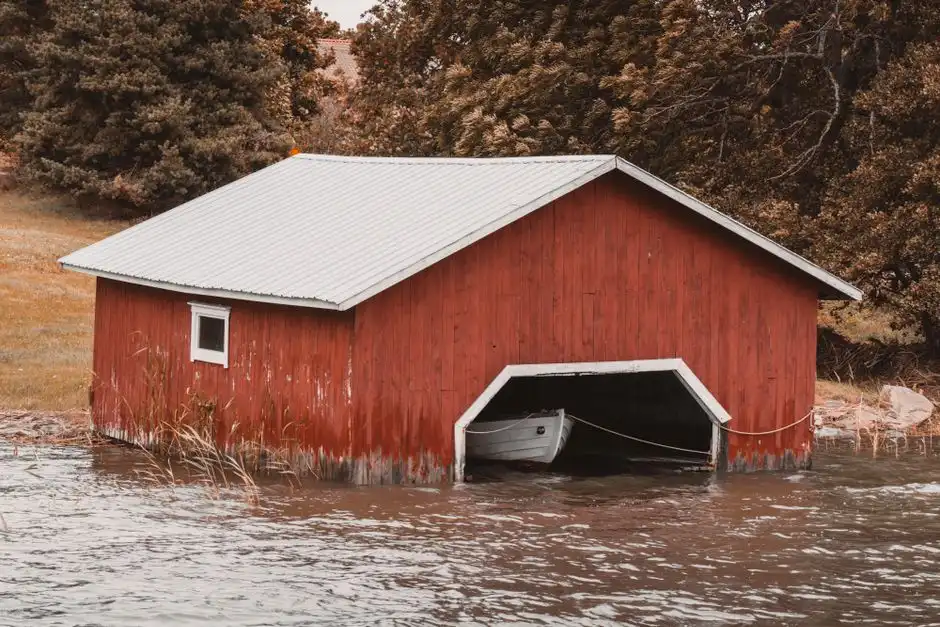
Commercial Basement Water Removal

Commercial Basement Water Removal in Chicago

Chicago businesses rely on basements for storage, building systems, staff facilities, and service access. A water loss in an office, restaurant, hotel, or multi-unit property can restrict operations and affect shared areas, so we coordinate entry, equipment staging, and work timing with the site contact. Our crew identifies the source and water category, extracts standing water, and documents affected spaces. For emergency flooded basement cleanup near Chicago, Illinois, call with building access rules, loading instructions, and any tenant or customer safety concerns. We can plan portable equipment for restricted access and larger extraction capacity when the route permits. If a sewer backup is involved, contaminated zones are handled separately from unaffected areas.

Office buildingsHotels and hospitalityRestaurants and food serviceMulti-unit housingRetail properties

Common Chicago Basement Water Problems

Chicago's older building stock, changing weather, and drainage conditions shape many basement calls. Heavy summer storms can overwhelm older combined sewer infrastructure, while winter freeze-thaw cycles can stress masonry and plumbing. Lake Michigan shoreline influences local groundwater and drainage conditions, but the actual cause still needs inspection at the property. We handle basement flood restoration in Chicago by first distinguishing a plumbing leak, groundwater intrusion, stormwater seepage, or sewer backup. That distinction affects extraction equipment, protective measures, and what should be dried or removed.

Sewer backup after intense rain reaches basement floor drains

Heavy summer storms can overwhelm older combined sewer infrastructure, allowing water to back up through lower drains. A basement may contain contaminated floodwater even when the visible depth is low. The source and category must be assessed before occupants handle belongings or begin cleanup.

Groundwater seeps through masonry during prolonged wet weather

Water can enter through small foundation openings or wall-floor joints when soil around a building stays wet. Chicago groundwater and drainage conditions vary by property, so a damp wall does not prove one universal cause. Older masonry can show moisture along several connected surfaces.

Sump pump failure leaves standing water in utility areas

A failed pump, power interruption, obstructed discharge, or worn component can prevent a sump system from controlling water. During heavy rain or snowmelt, a nonworking pump may allow water to collect quickly around stored items and mechanical equipment.

Burst plumbing pipes wet floors and lower walls

Freeze-thaw cycles and cold conditions can stress exposed or poorly insulated plumbing, while aging systems may fail at joints or fittings. Water can travel behind stored items and along masonry before a leak becomes obvious, making the first visible puddle an incomplete guide.

When to Call for Basement Water Removal

Call as soon as you see standing water, a rising waterline, sewage at a floor drain, or a pump that has stopped during rain. A damp odor or a new dark patch along masonry can signal water behind stored items or inside a wall. If a pipe breaks, shut off the supply only if you can reach the valve safely. Our emergency flooded basement cleanup near Chicago, Illinois starts by checking hazards and the water source, then removing water before it spreads. Don't wait for a visible puddle to cover the whole floor; hidden moisture can affect lower walls and stored contents.

  • Water pooling around a floor drain

    Water at a drain can indicate a sewer backup or overloaded drainage route, especially after heavy rain. Avoid contact until the source and contamination are assessed. If the water smells like sewage or contains debris, keep people and pets out and call for controlled cleanup.

  • Sump pump runs but water keeps rising

    A pump may be overwhelmed, blocked, or unable to discharge properly. Rising water threatens stored items and can reach electrical equipment. If you can do so safely, check whether power is available, but do not enter standing water to inspect the pump.

  • Wet line or peeling finish on masonry

    A tide mark, flaking paint, or damp lower wall can show repeated seepage or moisture trapped behind a finish. The visible patch may not mark the full wet area. We check nearby surfaces and use readings to decide whether extraction and drying are needed.

  • Pipe leak or water heater puddle

    A fresh puddle beneath plumbing or a water heater can spread under flooring and into stored belongings. Shut off the water source if the valve is safely reachable. Call for extraction if water has moved beyond a small, immediately dried area.

  • Musty odor after rain or snowmelt

    A musty smell can come from damp materials that stayed wet after groundwater intrusion or stormwater seepage. It does not identify the source by itself, but it warrants checking wall-floor joints, stored items, and the sump area before moisture damage and mold growth worsen.

Chicago Landmarks for Service Navigation

Chicago's familiar landmarks help orient address and route conversations, but a landmark is only a navigation reference, not a claim about where a water loss occurred. When you call, give us the exact property address and entrance details; we use them to distinguish nearby streets and plan access. Traffic, building entry rules, and the location of a safe equipment staging point matter more than a landmark alone. This is especially useful for properties near busy downtown streets and transit hubs.

Millennium Park

Millennium Park provides a clear downtown orientation point east of The Loop's main business streets. An address near the park still needs its own cross streets and building entrance for accurate navigation and equipment planning.

Navy Pier

Navy Pier is a recognizable point along the lakefront and helps distinguish addresses in the near-north lakefront area. We use the property's street address, not the pier, to plan arrival and access.

Wrigley Field

Wrigley Field is a well-known North Side reference point. For a nearby property, sharing cross streets and any event-related access restrictions helps clarify the best route and equipment entry.

Coverage across Chicago & Cook County

600186064960641606406064360642606456064460647606466061660617606146061560612606136061060611606186061960631608276066160660

Plus surrounding Cook County neighborhoods, with same-day routing on most appointments.

Chicago Basement Water Removal by Season

As November brings colder weather, check exposed plumbing, sump equipment, and basement entry points before sustained freezing conditions arrive. Winter pipe failures can create a sudden cleanup, while spring snowmelt and rain test drainage. Summer storms can overwhelm combined sewer infrastructure, and fall leaves may obstruct exterior drainage routes. If flooding starts, 24/7 basement water removal in Chicago, Illinois gives you a route to urgent extraction; seasonal prevention still begins with a working pump, clear drainage, and prompt attention to leaks.

Spring

Snowmelt and spring rain can keep soil wet and reveal seepage at basement wall-floor joints. Sump pumps may cycle more often, and small drainage problems can become standing water when a discharge path is blocked.

Tip: Test the sump pump before wet weather, clear debris from accessible discharge areas, and move stored cardboard off the floor. Call if water returns after each rain rather than repeatedly mopping the same spot.

Summer

Heavy summer storms can overwhelm older combined sewer infrastructure and push water toward lower drains. A storm can also expose weak window wells or foundation entry points. Sewage odors or debris signal a contaminated-water event.

Tip: Keep people away from suspected sewage water and do not run electrical equipment in a wet basement. Photograph damage from a safe location and call for extraction and proper cleanup.

Fall

Leaves and debris can obstruct drainage routes before winter, while temperature swings begin to stress exposed plumbing. A small leak in a basement utility area can go unnoticed behind stored seasonal items.

Tip: Clear accessible drains and inspect the basement perimeter before storing winter equipment. Keep boxes raised and leave the sump pit reachable so you can spot a failure quickly.

Winter

Freezing conditions increase the risk of burst water pipes in vulnerable areas, especially where plumbing is exposed to cold. A break can release water rapidly and soak floors, masonry, and stored belongings before the source is found.

Tip: Know the location of your main shutoff and keep the path clear. If a pipe breaks, shut off water only when safe, avoid wet electrical areas, and call for extraction after the source is controlled.

Basement Water Removal in Chicago FAQs

Real answers from our team for the questions we hear most often before a job starts.

How much does basement water removal cost in Chicago, Illinois?
A small clean-water extraction often costs about $300-$900, while a larger pump-out and drying setup can run $1,000-$4,000 or more. Typical 2026 pricing depends on water depth, contamination, access, affected materials, and drying time. Sewage cleanup and material removal add labor and disposal. Call with the water source and approximate area for an upfront discussion of the work.
Who provides emergency basement water extraction in Chicago?
Illinois Basement Water Removal Pros provides emergency basement water extraction in Chicago for homes and commercial properties. Call +18668968166 and tell us whether the water came from a pipe, sump failure, storm, or drain backup. For 24/7 basement water removal in Chicago, Illinois, keep clear of standing water near electrical equipment while we plan the appropriate extraction and safety steps.
How quickly can a basement flood cleanup team reach Chicago?
Arrival timing depends on the current call volume, traffic, address, and safe access, so we give a practical estimate when you call. Share your Chicago address, nearest cross streets, water depth, and whether sewage is involved. If the water is near electrical equipment, do not enter the basement while waiting. Our dispatcher uses those details to plan the right equipment.
Does basement flood restoration in Chicago include drying?
Yes, basement flood restoration in Chicago includes drying when affected materials retain moisture after extraction. We use moisture readings to guide air movers and dehumidifiers, then adjust placement as conditions change. A simple concrete-floor loss may need less drying than wet carpet or finished walls. The drying period depends on materials, temperature, humidity, and how long they stayed wet.
What should I do before emergency basement flood cleanup Chicago arrives?
Stay out of standing water if power or electrical equipment may be involved, and keep children and pets away. If safe, shut off the water source and move people to a dry area; do not handle suspected sewage. Call with the source, depth, and access details. We can then plan emergency basement flood cleanup Chicago around the actual hazard and layout.

Call for Basement Water Removal in Chicago

If your Chicago basement is flooding, call Illinois Basement Water Removal Pros at +18668968166. Tell us what caused the water, how deep it is, and whether a drain backup or electrical hazard is involved. We take emergency calls 24/7 and use a safety-first extraction plan for your property. Get direct help now.

Call Now Send a Message

Contact Our Referral Team

Call +1 866-896-8166 any time to report basement flooding, a sump pump failure, or a sewer backup in Illinois. Tell us your city, whether water is still entering, and if the water may be contaminated. We route your request to an independent company serving your area so you can discuss the next steps directly.

Or call us right now at +18668968166 — we answer.

Illinois Basement Water Removal Pros


  • Phone

    +18668968166
  • Address

    Illinois

  • Hours

    Mon–Fri: 7AM – 7PM
    Sat: 8AM – 4PM
    Sun: Emergency Only
    24/7 Emergency Available

Call +18668968166 Get Quote
Call Quote