
Logo
Get Estimate

Basement Groundwater Intrusion Cleanup in Illinois

We extract seepage and help protect your basement


Basement Groundwater Intrusion Cleanup in Illinois removes groundwater, wet debris, and moisture from basements affected by rising water or seepage through walls and floors. We help Illinois homeowners and property managers facing storm saturation, sump pump failure, or persistent dampness. Our crew extracts standing water, dries affected areas, and identifies visible entry points so you can move from an urgent mess toward a safer, cleaner basement.

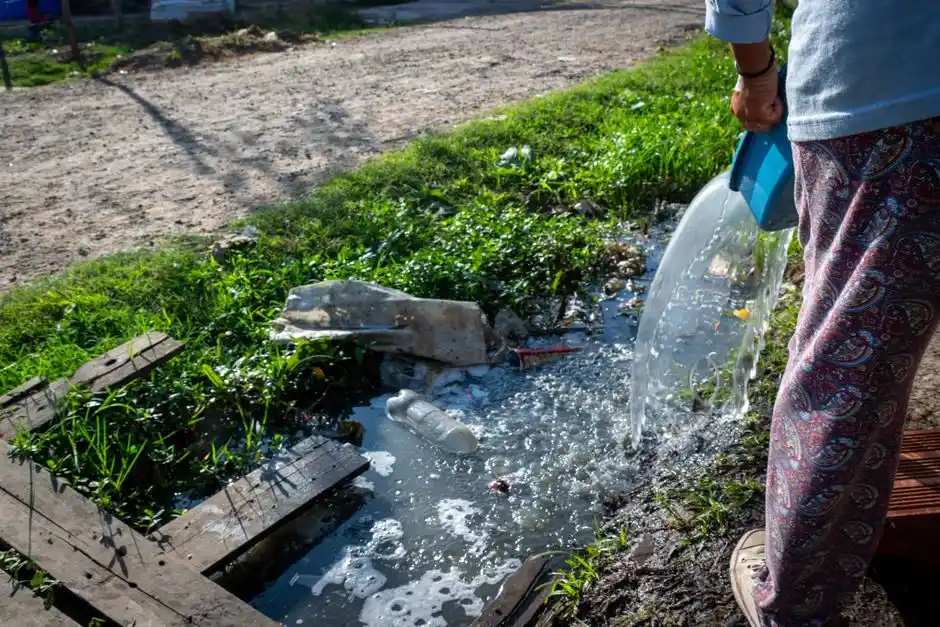
A community member pours water to clean the street, highlighting volunteerism and social inclusion in Argentina.
Licensed Licensed & Bonded
Fully Insured Insured & Bonded
24/7 Emergency Same-Day Response
Warranty Backed Workmanship Guaranteed

What Groundwater Cleanup Includes

Basement Groundwater Intrusion Cleanup covers assessment, removal of standing water, handling of wet debris, cleaning of affected accessible surfaces, and managed drying. We use readings to guide equipment rather than relying on surface appearance alone. If the cause requires foundation, drainage, or plumbing repair, we explain the observed issue and the next trade step. The cleanup itself addresses water damage; permanent waterproofing is a separate repair.

Water Source Assessment

We check the affected area, visible foundation openings, wall-floor joints, sump pit, and nearby plumbing for clues about the water route. We also assess whether the water appears contaminated. That initial review informs safe access, extraction choices, and whether the event looks like groundwater or another type of leak.
Standing Water Extraction

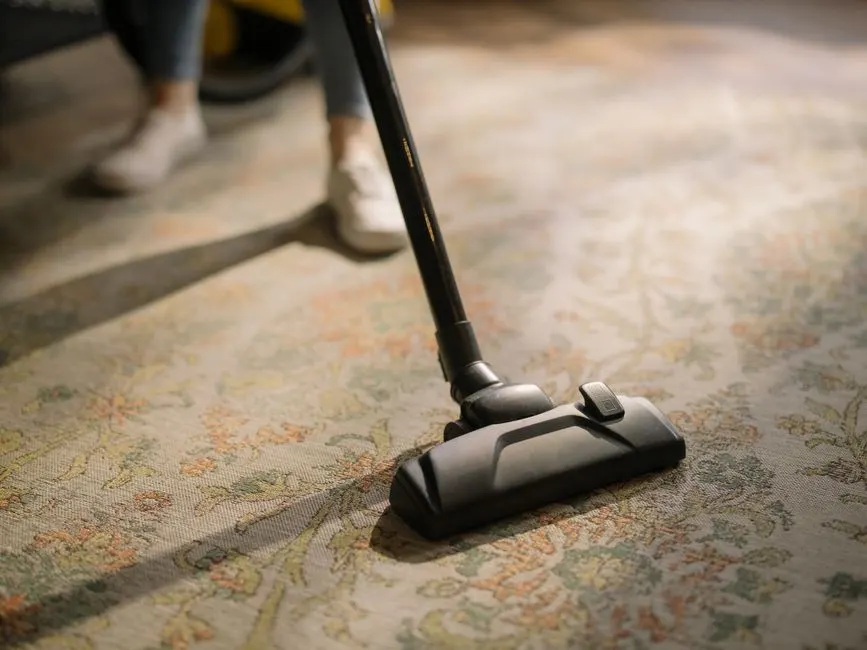
We remove pooled water using equipment suited to depth, floor layout, and access. Pumps handle deeper accumulation, while extraction wands and portable vacuums reach edges and low spots. We keep track of cleared areas and continue until bulk water is removed from the accessible floor.

Surface Cleaning

Our crew removes loose sediment and cleans affected hard surfaces with suitable cleaning agents. We use disinfectants when conditions and product labels call for them, taking care around stored belongings and finished materials. Contaminated floodwater requires additional protective handling and a different cleanup approach.

Drying and Moisture Checks

Air movers and commercial dehumidifiers support evaporation and moisture removal after extraction. We place equipment based on room conditions and check surfaces with moisture meters as work progresses. You receive an explanation of what remains damp and when affected areas are ready for appropriate repairs.

Basement Groundwater Intrusion Cleanup in Illinois


Basement Groundwater Intrusion Cleanup in Illinois is a water damage restoration service that removes groundwater and wet materials after water enters through foundation walls, floor joints, or a failed sump system. We begin by checking water depth, electrical hazards, and whether the water appears contaminated. Submersible sump pumps and truck-mounted water extraction units remove bulk water; moisture meters then help us map damp surfaces beyond the visible puddle. We clean affected hard surfaces, set drying equipment, and document readings so you can see what changed.

Illinois basements face pressure from saturated soil, freeze-thaw cycles, spring snowmelt, and intense summer storms. Older masonry foundations, settled floor joints, clogged perimeter drains, and sump pump failure can turn a small seep into standing water overnight. Our groundwater seepage cleanup for Illinois basements addresses the water and the damp materials it leaves behind. If you are searching for groundwater intrusion water removal in Illinois basements, we trace the visible route, remove water, and set a drying plan suited to the affected materials.

What Happens During Cleanup

Basement Groundwater Intrusion Cleanup in Illinois starts with safety and water removal, then moves through cleaning and controlled drying. We explain what we find as we work, keep equipment out of clear walk paths where possible, and check the affected areas again before wrapping up. A small, accessible seep and a multi-room flood do not follow the same timeline.

01

Schedule

Call or book online — a real human picks up and confirms a 2-hour arrival window.

02

Diagnose

Licensed tech inspects on-site, then walks you through the cause and your options.

03

Fix

The job is completed to code and done right the first time — no shortcuts, no surprises.

04

Guarantee

Every job backed by a written workmanship warranty — and we stand behind it.

Equipment and Cleanup Methods

Tools & Equipment

Submersible sump pumps

We use pumps to move deeper standing water from low areas or a flooded sump pit. Pumping removes bulk water before detailed extraction and surface cleaning begin.

Truck-mounted water extraction units

These units remove large amounts of accessible water through a hose, reducing the need to carry repeated loads through your home. We use them when site access and water volume make them practical.

Water extraction wands

A wand reaches along wall edges, floor joints, and other narrow spaces where pooled water remains after the main floor is cleared. It helps remove residual water before drying equipment is positioned.

Moisture meters

We use meters to compare damp areas with unaffected surfaces and track drying progress. The readings guide equipment placement and help distinguish a dry-looking surface from one that still needs attention.

Commercial dehumidifiers

Dehumidifiers remove moisture from basement air while air movers increase circulation across affected materials. We place and monitor the equipment according to the room layout and observed moisture.

Methods & Standards

ANSI/IICRC S500-informed restoration

We use the ANSI/IICRC S500 Standard for Professional Water Damage Restoration as a reference for assessing water damage, selecting work methods, and monitoring drying. The source and condition of the water matter: clean groundwater, stormwater, and sewage-affected water do not receive identical handling.

Measured moisture mapping

Our crew checks affected locations and compares them with drier reference points, noting where moisture remains. We use the readings to choose where to direct air movement and dehumidification, then reassess instead of stopping when the floor merely looks dry.

Controlled cleaning and protection

We remove loose sediment, clean accessible surfaces, and select disinfectants or antimicrobial cleaning agents based on the material and water conditions. Product use follows EPA-registered disinfectant label compliance, and our handling practices include suitable personal protective equipment and clear separation of affected debris.

When Groundwater Cleanup Helps

01

A storm leaves a thin stream entering through a foundation joint and spreading toward stored boxes.

What we do: We inspect the entry area, extract water from the floor, and move or protect nearby belongings. Our crew cleans sediment and checks the wall and floor edges with moisture meters. If water continues entering, we document the visible route and explain the likely follow-up repair.

→ You get a cleared floor, a cleaner affected area, and specific information about whether the seepage stopped or needs a foundation or drainage repair.

02

A sump pump fails overnight, leaving several inches of water near the pit and utility area.

What we do: We assess electrical and contamination risks, then use pumping equipment to remove the water. After bulk extraction, we clear accessible debris and dry affected surfaces. We also identify visible sump issues that need repair, including a failed check valve or discharge concern.

→ Standing water is removed and the affected area enters a measured drying process, while you have a clear handoff for restoring the sump system.

03

A property manager finds recurring damp patches in a shared basement after spring snowmelt.

What we do: We map the damp areas, compare readings, and check accessible wall-floor joints and storage rooms. Our crew removes any pooled water, cleans surfaces, and positions drying equipment without blocking the shared route. We summarize affected areas so repairs can be coordinated.

→ Residents and maintenance staff get a cleaner, drier shared space and a location-specific record of where seepage and moisture were found.

04

Groundwater rises through a floor crack after prolonged rain and reaches finished flooring.

What we do: We remove water from accessible surfaces and determine how far dampness extends under and around the flooring. We dry exposed areas and explain when flooring removal or separate crack repair is needed. Equipment placement follows measured moisture and available airflow.

→ The immediate water is addressed, and you know whether the flooring can dry in place or requires removal before repairs.

How Cleanup Works Across Illinois

Illinois weather changes the way groundwater reaches a basement. As November moves into winter, freeze-thaw cycles can open small weaknesses, while spring snowmelt and heavy rain can saturate soil and increase pressure against foundation walls. Summer storms can overwhelm a sump system in a single night. Our basement seepage water removal in Illinois starts with the conditions at your property: water depth, foundation type, access, and whether the water appears contaminated. In older masonry basements, porous walls may keep releasing moisture after floor extraction; in finished spaces, wet drywall and flooring need careful assessment before they are closed back up. If you are asking how to remove water seeping through basement walls in Illinois, we extract the water, measure the affected areas, and explain what needs drying versus a separate repair. Building and plumbing requirements vary by project and local jurisdiction, so permanent sump, discharge, or foundation work must follow applicable local requirements. We focus on cleanup and give you a clear description of observed conditions.

Neighborhoods We Serve

  • Waukegan residential blocks

    We look closely at basement wall joints, older masonry, and sump areas where saturated ground can leave recurring dampness after storms.

  • Des Plaines homes near drainage routes

    Where water collects around lower levels, we check floor low spots and accessible sump components before setting extraction and drying equipment.

  • Downers Grove established homes

    Older foundation materials and finished basement areas call for careful moisture checks behind trim and along wall-floor joints.

  • DeKalb residential properties

    We assess the source and affected materials after rain or snowmelt, then keep shared access and utility routes clear during cleanup.

Local Conditions We Plan For

  • Freeze-thaw weather opens small foundation pathways during winter transitions.

    Water entering through a narrow crack can spread along a wall or floor joint. We inspect the route and dry nearby materials, while distinguishing cleanup from the separate repair needed to seal the opening.

  • Spring snowmelt saturates soil and increases pressure against basement walls.

    Seepage may recur over several days rather than arrive as one brief flood. We track moisture across affected areas and explain whether ongoing water entry calls for drainage or foundation work after extraction.

  • Intense summer storms can exceed a sump system's capacity.

    A failed pump or blocked discharge can leave water around the pit and spread across the floor. We remove standing water, check accessible components, and set drying equipment based on measured moisture.

Seepage Along a Foundation Joint

Before

Rainwater pushed through a wall-floor joint and spread into a storage area. The floor held shallow muddy water, cardboard boxes were wet at the bottom, and the lower masonry stayed dark after the visible puddle was wiped up. The homeowner could not tell whether the water had stopped or was still entering.

After

We extracted the pooled water, removed wet loose debris, cleaned the accessible concrete, and checked the joint and lower wall with moisture meters. Air movers and a dehumidifier supported drying. The floor was cleared, and the homeowner received a clear explanation of the continuing entry point and the separate repair to address it.

Maintenance: Keep the area beside the joint clear enough to inspect after heavy rain, and check for dampness before storing boxes there again. Maintain gutters and drainage paths, and arrange foundation repair if water continues to enter.

Before

A sump pump stopped during a storm, allowing water to spread from the pit into a finished storage area. Several inches covered part of the floor, a rug was saturated, and dampness reached the lower wall. The owner needed the water removed before sorting belongings or arranging repairs.

After

We pumped out the standing water, used extraction equipment along the wall edges, and removed the saturated rug. After surface cleaning, we placed drying equipment and rechecked moisture readings. The owner had a clearer floor, a documented drying plan, and a separate repair item for the failed sump component.

Maintenance: Test the sump system regularly, keep the pit accessible, and check that the discharge route is clear before storm season. Have a qualified repair professional address failed components before the next period of heavy rain.

Before

A property manager noticed a musty smell and damp patches across a shared basement after repeated rain. No large puddle remained, but stored items sat beside darkened masonry and the floor felt cool and wet in several spots. Residents needed a clear account of the affected areas.

After

We mapped the damp locations with moisture readings, cleaned accessible hard surfaces, and positioned air movers and dehumidifiers. The manager received a summary of which areas were drying and where seepage appeared to recur. The shared route remained usable, and wet belongings could be sorted separately.

Maintenance: Keep storage elevated and away from damp foundation walls, check the basement after storms, and report recurring patches early. Repeated water entry needs a source repair; cleanup alone cannot seal a foundation opening.

Fix the Problems Groundwater Leaves

Groundwater can keep damaging a basement long after the puddle disappears. Wet masonry, soaked contents, and contaminated residue need different responses, and repeated seepage points to a source that may need repair. Our cleanup removes the immediate water and gives you a clearer view of the damage and next steps.

Problem

Water keeps returning through the wall-floor joint after rain.

Repeated seepage can keep baseboards and stored belongings damp, while moisture behind finishes supports mold growth and makes repair work harder.

Our Fix

Illinois Basement Water Removal Pros extracts pooled water, cleans accessible residue, and measures moisture around the affected joint. We check visible entry points and explain whether the cleanup is enough for immediate drying or whether drainage, grading, or foundation work should follow.

Problem

Sump pump failure leaves standing water across the basement floor.

Water can spread from the sump pit into storage areas and soak lower walls, boxes, and floor coverings before the cause is noticed.

Our Fix

We pump out the accumulated water, clear accessible floor areas, and assess the sump components we can safely inspect. We place drying equipment where readings show moisture and flag repair needs, including a failed check valve, so the next step addresses the source.

Problem

A musty smell remains after visible groundwater is removed.

Hidden dampness in porous materials can linger and contribute to moisture damage and mold growth, even when concrete appears dry to the touch.

Our Fix

Our crew checks affected surfaces with moisture meters and examines accessible edges where water collects. We clean the surfaces, set air movers and dehumidifiers, and recheck readings. If moisture remains behind finished walls, we explain what further inspection or material removal is needed.

Problem

Muddy stormwater leaves residue around stored items and floor drains.

Soil and contaminated floodwater can spread through walking routes, stain belongings, and create sanitation concerns if the water source is not identified.

Our Fix

We establish a safe work area, extract the water, remove loose debris, and clean affected surfaces with products selected for the conditions. If the water shows signs of sewage contamination, we use protective handling and adjust the cleanup rather than treating it as ordinary seepage.

A Cleaner, Drier Basement

A Cleaner, Drier Basement

Groundwater leaves more than a puddle: it carries soil, dampens stored belongings, and keeps wall cavities wet after the floor looks clear. We focus on extraction, surface cleaning, and measured drying, so your next steps are based on actual conditions rather than guesswork. You get a clear account of the affected area and the work completed.

  • Water Removed Promptly

    We use pumps and water extraction wands to clear standing water from floors, low spots, and accessible edges. The time depends on depth and access; a shallow, open area can take a few hours, while a deep or divided basement takes longer. Removing bulk water early limits continued contact with flooring, stored items, and lower wall sections.

  • Moisture Measured Clearly

    A surface that feels dry can still hold moisture behind baseboards or in porous masonry. We take moisture-meter readings at affected and comparison locations, then use those readings to position air movers and commercial dehumidifiers. You receive a practical explanation of which areas need continued drying and which are ready for cleaning or repair.

  • Damp Surfaces Cleaned

    Groundwater can leave sediment and unpleasant residue across concrete, tile, and other salvageable surfaces. We remove debris, clean the affected area, and apply appropriate disinfectants where conditions call for them. For contaminated floodwater or sewage backup, we change the handling approach and protective controls rather than treating the water like a clean leak.

  • A Useful Drying Record

    We track equipment placement and moisture readings during the work, giving you a straightforward record of the drying progress. That helps you coordinate follow-up repairs to drywall, trim, or flooring without covering damp materials too soon. If the source is a failed sump component, we identify the observed issue and explain the next repair step.

Training and Work Standards

Licensed & Certified

  • IICRC Water Damage Restoration Technician — issued by Institute of Inspection, Cleaning and Restoration Certification
  • IICRC Applied Structural Drying — issued by Institute of Inspection, Cleaning and Restoration Certification
  • IICRC Applied Microbial Remediation Technician — issued by Institute of Inspection, Cleaning and Restoration Certification
  • OSHA Hazard Communication Standard — issued by Occupational Safety and Health Administration

Verified Reviews

Customer feedback Not stated

The crew explained why the water was coming through the floor joint, removed the muddy water, and showed us the moisture readings along the wall. They left the storage area clear enough for us to sort the remaining boxes and gave us a practical next step for the foundation repair.

Customer feedback Not stated

After our sump failed, the team pumped out the basement and removed a soaked rug. They checked the lower wall before leaving drying equipment and told us which sump component needed repair. The cleanup was straightforward, and we knew what to monitor during the next storm.

Customer feedback Not stated

We had dampness returning after rain, even though there was no major flood. The crew checked the foundation edge, cleaned the affected concrete, and explained the difference between drying the basement and stopping the water source. That gave us useful information for planning the permanent repair.

Groundwater Restoration Know-How

Our local experience covers seepage through foundation joints, wet basements after prolonged rain, and flooding linked to sump pump failure. We apply IICRC Water Damage Restoration Technician principles and use the ANSI/IICRC S500 Standard for Professional Water Damage Restoration as a reference for restoration work. We do not guess at dryness: readings guide equipment placement and follow-up. Our technicians also follow OSHA Hazard Communication Standard practices when handling products, and select cleaning agents according to their intended use and label directions.

  • We distinguish visible groundwater seepage from a plumbing leak or sewer backup before choosing extraction and cleaning procedures.
  • Moisture meters help us compare affected surfaces with drier reference areas and track changes during the drying period.
  • We use protective equipment and controlled handling when standing water appears contaminated or its source is uncertain.
  • Our technicians assess wall-floor joints, sump areas, and accessible foundation surfaces for clear signs of water entry.
  • We explain whether the immediate need is extraction and drying, or whether a separate drainage or foundation repair must follow.
Get Started Today
Groundwater Restoration Know-How

Frequently Asked Questions

Real answers to the questions we hear most often from local homeowners and property managers.

What causes groundwater to seep into Illinois basements?
Groundwater usually enters when saturated soil pushes water through foundation cracks, wall-floor joints, or gaps around utility penetrations. Heavy rain, spring snowmelt, clogged drainage, and sump pump failure can increase pressure around a basement. In older homes, porous masonry and settled foundations offer additional pathways. We inspect visible entry points and check whether the water could instead come from a plumbing leak or sewer backup.
How is basement seepage water removed and cleaned up?
We inspect the water and hazards, extract standing water, remove wet debris, clean affected surfaces, and set drying equipment. Basement seepage water removal services in Illinois use pumps or extraction units for bulk water, then moisture meters to track damp areas. Drying often takes 2 to 5 days for limited affected spaces, but dense materials or repeated seepage can extend the work. We explain readings and next steps as conditions change.
When should I call for groundwater intrusion cleanup in Illinois?
Call as soon as water is actively entering, standing water reaches electrical equipment, or wet materials remain after a storm. If the water is near outlets, a furnace, or a sump pit, avoid entering until the hazard is addressed. A small damp patch that returns after each rain also warrants an inspection. We can assess the source, begin extraction, and tell you whether the water appears contaminated.
Can cleanup stop water from entering through basement walls again?
Cleanup removes water and dries affected areas, but it does not by itself repair a foundation crack or drainage defect. We identify visible entry routes and explain whether sealing, grading, drain work, or sump repairs should follow. A repair plan depends on the source and site conditions. After extraction, maintaining clear gutters and testing sump operation helps reduce avoidable water buildup around the foundation.

Related Basement Services

Emergency Basement Water Removal

Active groundwater entering your basement needs immediate extraction before it spreads through stored belongings and finishes. Our emergency service focuses on safe access, pump-out, and initial water removal, followed by a plan for surface cleaning and drying.

View Emergency Basement Water Removal

Basement Flood Cleanup

A groundwater event can leave sediment, soaked materials, and damp wall edges after the standing water is gone. Basement Flood Cleanup addresses those effects with debris removal, surface cleaning, and drying equipment selected for your basement's layout.

View Basement Flood Cleanup

Basement Water Extraction

Extraction is the first major step when groundwater pools across a floor or collects in low areas. We use pumps, truck-mounted equipment, or portable vacuums based on depth and access, then check the remaining moisture before drying begins.

View Basement Water Extraction

Basement Pump-Out Services

Deep water from a failed sump pump or prolonged seepage may require a dedicated pump-out before detailed cleaning can begin. We remove bulk water, monitor the pit and floor level, and move into cleanup once the immediate water load is under control.

View Basement Pump-Out Services

Basement Sewage Cleanup

Water that mixes with sewage is a contamination problem, not ordinary groundwater seepage. We use protective handling, remove affected materials as needed, and clean with products appropriate to the conditions so your cleanup plan accounts for health and sanitation risks.

View Basement Sewage Cleanup

Basement Storm Water Cleanup

Stormwater can carry soil and debris through foundation openings and leave residue across floors. We extract the water, remove debris, clean affected surfaces, and dry the space. The process also helps distinguish storm entry from a plumbing or sewer issue.

View Basement Storm Water Cleanup

Get Basement Groundwater Cleanup Help

If water is pushing through your basement wall or collecting at a floor joint, call us before it spreads to more materials. We will discuss the conditions, arrange an assessment, and explain the cleanup steps with upfront pricing. Call +18668968166 to start Basement Groundwater Intrusion Cleanup in Illinois.

Call Now Call for Cleanup

Contact Our Referral Team

Call +1 866-896-8166 any time to report basement flooding, a sump pump failure, or a sewer backup in Illinois. Tell us your city, whether water is still entering, and if the water may be contaminated. We route your request to an independent company serving your area so you can discuss the next steps directly.

Or call us right now at +18668968166 — we answer.

Illinois Basement Water Removal Pros


  • Phone

    +18668968166
  • Address

    Illinois

  • Hours

    Mon–Fri: 7AM – 7PM
    Sat: 8AM – 4PM
    Sun: Emergency Only
    24/7 Emergency Available

Call +18668968166 Get Quote
Call Quote