
Logo
Get Estimate

Basement Sewage Cleanup in Illinois for Safer Rooms

We remove sewage, disinfect surfaces, and help protect your home.


Basement Sewage Cleanup in Illinois gets contaminated water out and addresses residue before odors and moisture damage spread. If a sewer backup, sump pump failure, or burst pipe has left standing water, our team helps homeowners and property managers with extraction, cleaning, disinfection, and drying. We also provide basement sewage removal and sanitizing in Illinois, with a clear sequence of work suited to the amount of water and the materials affected.

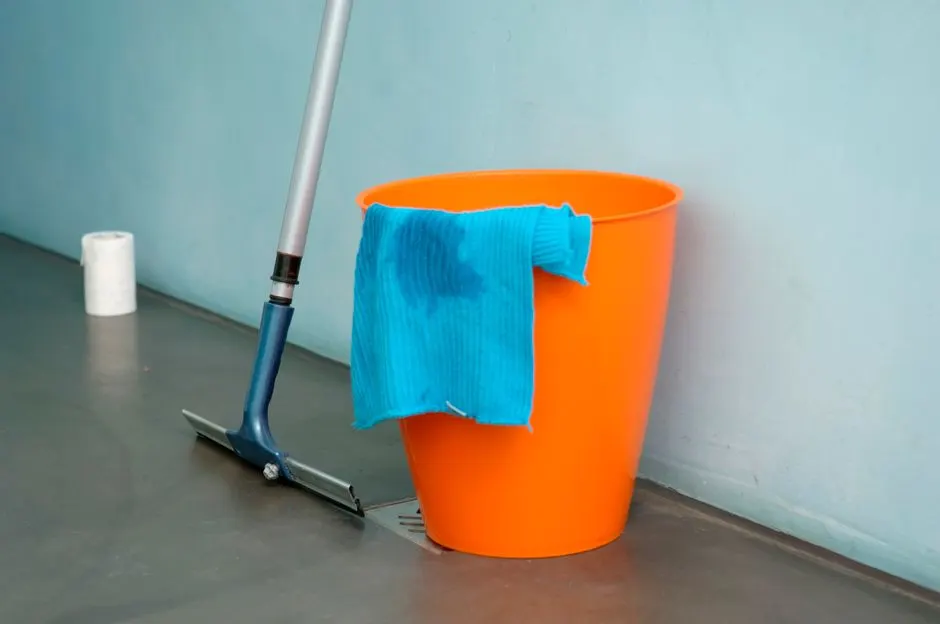
Close-up of cleaning supplies including orange bucket, mop, and blue rag indoors.
Licensed Licensed & Bonded
Fully Insured Insured & Bonded
24/7 Emergency Same-Day Response
Warranty Backed Workmanship Guaranteed

What Basement Sewage Cleanup Includes

The service covers contaminated-water extraction, containment, cleaning of salvageable surfaces, appropriate disinfection, and drying checks. We also identify materials that should be removed because sewage has penetrated beyond a cleanable surface. Plumbing repair, reconstruction, and replacement of finishes are separate trades; we point out those needs so you can plan the next stage without confusing cleanup with rebuilding.

Containment And Protection

We establish the work boundary, protect the path into the basement, and use personal protective equipment suited to the task. Where needed, polyethylene sheeting helps limit tracking into clean areas. You will know which rooms and belongings should remain off-limits during active removal and cleaning.
Contaminated Water Removal

We pump or extract standing sewage water and collect residue from accessible floor edges and low points. Equipment is selected for the amount of water and access conditions. Removing visible water is not the finish line; cleaning and disinfection follow wherever contaminated water contacted a surface.

Surface Cleaning And Disinfection

Hard, salvageable surfaces are cleaned before disinfectant is applied. We follow the product label for application and contact time, and separate items that cannot be reliably cleaned. This step addresses visible soil and contamination; it is not simply a fragrance treatment for lingering sewer odor.

Drying And Moisture Checks

Air movers and commercial dehumidifiers support drying after extraction and cleaning. We use moisture meters to track affected building materials and compare readings during follow-up checks. If moisture remains behind trim or in a wall cavity, we identify that condition rather than declaring the room dry by appearance alone.

Damage And Next-Step Notes

We identify saturated porous materials and visible areas needing repair, such as baseboards, drywall, or flooring. You receive a straightforward explanation of what cleanup addressed and what requires plumbing or reconstruction work. That helps you sequence repairs after the contamination and moisture issues have been handled.

Basement Sewage Cleanup in Illinois: The Work


Basement Sewage Cleanup in Illinois is a property-restoration service that removes sewage-contaminated water, cleans affected materials, disinfects salvageable surfaces, and dries the space after a backup or overflow. We first identify the contamination boundary and protect unaffected rooms with polyethylene sheeting and personal protective equipment. Submersible sump pumps or truck-mounted water extraction units remove standing water; technicians then clean hard surfaces with appropriate disinfectants and antimicrobial cleaning agents. Moisture meters help track drying in framing and masonry, while damaged porous materials are assessed for removal rather than simply covered or deodorized.

Across Illinois, freeze-thaw cycles, heavy spring rain, and intense summer storms can expose weak sewer laterals, overloaded drains, and failed sump systems. Older basements with floor drains and finished walls need a different plan from open utility rooms, because contaminated water can travel behind trim and under flooring. Illinois basement sewage cleanup also addresses the source category and affected materials; if you are searching for professional basement sewage cleanup services in Illinois, we document the affected area and explain the practical next steps before drying begins.

What To Expect During Cleanup

Basement sewage removal follows a controlled sequence: establish safety, extract water, clean and disinfect, then dry and verify. The size of the affected area and access to drains determine the pace. We explain each stage as we work, so you can plan around restricted rooms and equipment.

01

Schedule

Call or book online — a real human picks up and confirms a 2-hour arrival window.

02

Diagnose

Licensed tech inspects on-site, then walks you through the cause and your options.

03

Fix

The job is completed to code and done right the first time — no shortcuts, no surprises.

04

Guarantee

Every job backed by a written workmanship warranty — and we stand behind it.

Equipment And Cleanup Methods

Tools & Equipment

Submersible sump pumps

These pumps lower deeper standing water so technicians can reach floor edges and begin detailed extraction. We choose placement that avoids spreading debris and route discharge safely away from the home.

Truck-mounted water extraction units

High-capacity extraction supports larger losses or sites with practical vehicle access. We use the unit to remove wastewater efficiently, then address remaining shallow water and surface residue with more targeted tools.

Moisture meters

Meters check moisture in accessible building materials during drying. Repeated readings help determine whether framing, masonry, or other affected areas are approaching the condition of unaffected reference materials.

XPOWER air movers

Air movers circulate air across cleaned surfaces and exposed materials after extraction. We position them with dehumidifiers to support drying without directing contaminated debris toward clean areas.

HEPA air scrubbers

HEPA air scrubbers with HEPA filter media can support particle control during certain cleanup and material-removal tasks. We determine their use from the site conditions and keep the contaminated work zone separated.

EPA-registered disinfectants

We select an appropriate disinfectant for the affected surface and follow its label directions, including application and contact time. Disinfectant is used after soil removal, not as a substitute for cleaning.

Methods & Standards

Source And Contamination Assessment

We identify whether the loss came from a sewer backup, a pipe, groundwater, or stormwater and determine whether the source is still active. That classification sets the protection, extraction, and disinfection plan. We also note the route water traveled so hidden floor and wall edges are not overlooked.

ANSI/IICRC S500-Informed Restoration

The ANSI/IICRC S500 Standard for Professional Water Damage Restoration informs practical assessment, extraction, and drying decisions. We use measured conditions and affected-material observations to guide the work. Sewage contamination also requires controls beyond ordinary water drying, including containment and appropriate cleaning.

Label-Compliant Surface Disinfection

After visible soil is removed, we apply disinfectant suitable for the surface and follow label requirements for coverage and contact time. Our technicians avoid treating a quick spray as complete sanitation. Porous materials that cannot be effectively cleaned are identified for removal and proper handling.

Measured Structural Drying

We place air movers and dehumidifiers to support evaporation, then check moisture over time. Readings guide equipment adjustments and indicate when drying is complete enough for the next repair stage. This prevents a dry surface from being mistaken for a dry wall cavity or floor assembly.

When Cleanup Is Needed

01

A basement floor drain backs up overnight and leaves wastewater around a washer and storage shelves.

What we do: We check whether the backup is still active, protect the route from the basement, and extract water from the floor and low points. The team cleans affected hard surfaces, separates contaminated porous belongings, and places drying equipment where readings show moisture remains.

→ You regain a controlled, cleaner basement and a clear record of items or finishes that need repair, rather than spreading sewage through the house.

02

A sump pump stops during a storm and water rises around a basement utility area with a nearby sewer connection.

What we do: We determine whether the water is groundwater, stormwater, or mixed with sewage before selecting the cleanup method. After pumping and extraction, we disinfect affected surfaces where contamination is present and check the utility-room materials for moisture.

→ The work addresses both the water and its contamination category, helping you plan pump or plumbing repairs before restoring the room.

03

A frozen drain or pipe fails during a cold night, sending wastewater into a finished lower level.

What we do: We identify electrical and access hazards, stop ongoing discharge where possible, and remove water using equipment suited to the room. Wall and floor edges are checked for trapped moisture; affected finishes are separated if sewage penetrated them.

→ You get prompt control of the affected space and measured drying steps, reducing the chance of sealing wet materials behind new finishes.

How Illinois Basement Cleanup Works Locally

Illinois weather puts different pressure on basement drainage through the year. As November brings colder nights, frozen discharge lines and pipe breaks become a concern; spring brings saturated ground and rising sump loads, while summer storms can overwhelm drains in minutes. Older masonry foundations, finished lower levels, and shared laundry or storage rooms each change how we protect the building and move equipment. Our Illinois basement sewage removal service starts by identifying whether the loss is a sewer backup or another water source, then setting a contained route and extraction plan. For basement wastewater disinfection after a sewer backup Illinois homeowners need, we clean before applying disinfectant and follow product label contact times. Local plumbing and building requirements can differ by municipality and property type, so we do not guess at code obligations; we flag plumbing or reconstruction work for the appropriate licensed trade. Across the state, the practical target stays consistent: remove contamination, dry affected materials, and leave you with clear next steps.

Neighborhoods We Serve

  • Older masonry basements

    Brick and stone foundation walls can retain moisture at joints after a backup. We inspect lower wall edges and avoid assuming the visible floor is the entire affected area.

  • Finished lower levels

    Carpet, drywall, and built-in storage can absorb contaminated water. We assess each material and explain what can be cleaned versus what should be removed.

  • Shared utility spaces

    Laundry rooms and common storage corridors need controlled access so residents do not track sewage into clean areas. We coordinate the work boundary around equipment and walkways.

Local Conditions We Plan For

  • Freeze-thaw cycles stress basement plumbing and discharge lines

    Cold periods can expose weak pipes or freeze a sump discharge, leaving water with limited time to drain. We check for ongoing entry and keep the cleanup plan separate from the plumbing correction needed to prevent another release.

  • Spring rain saturates soil and raises sump-system demand

    Groundwater pressure and pump failure can bring water through floor joints or foundation seams. If sewage has mixed with that water, we switch from ordinary water extraction to containment, surface cleaning, and disinfection.

  • Short, intense storms can overload drains

    Fast runoff can push water through floor drains or window wells and affect multiple basement rooms. We map the path, protect unaffected areas, and choose extraction equipment to match the depth and access.

Floor Drain Backup Recovery

Before

A floor drain overflow covers a 300-square-foot utility and storage area with several inches of wastewater. Cardboard boxes, the lower edge of drywall, and a washer platform are wet, and a sewer odor has moved into the stairwell. The drain has stopped rising, but the basement remains unsafe to use.

After

The crew establishes a contained route, pumps out standing water, and extracts residue from the floor edges. Hard surfaces are cleaned and disinfected; unsalvageable cardboard and affected porous materials are separated. Air movers and a dehumidifier run while moisture readings are checked over the next 2 to 5 days.

Maintenance: Keep the floor drain clear of stored items and arrange plumbing evaluation if backups recur. Test sump equipment before heavy rain seasons, and avoid placing cardboard or absorbent belongings directly on basement floors.

Before

A sump pump failure leaves water across a 450-square-foot basement after prolonged rain. Stored items sit in shallow water, the pump basin is full, and the property owner is unsure whether sewage entered through a nearby drain. Damp air and wet wall bases make the room difficult to inspect.

After

We identify the source category, remove standing water with a pump and targeted extraction, and disinfect surfaces if sewage contact is confirmed. Moisture checks guide equipment placement at wall bases and around the basin. The owner receives a list of affected materials and any follow-on pump or plumbing work needed.

Maintenance: Have the sump pump and discharge route checked before seasonal rainfall, and keep a clear perimeter around the basin. Replace a failed check valve or pump through the appropriate plumbing service, then test operation after repairs.

Before

A sewer backup affects a 220-square-foot finished room with carpet, trim, and drywall near the floor drain. Water is gone by the time help is arranged, but odor remains and the carpet edge feels damp. A quick surface wipe cannot establish whether residue or moisture remains under the finish.

After

The team traces the affected boundary, removes contaminated porous flooring where necessary, and cleans and disinfects salvageable hard surfaces. Moisture readings guide drying in exposed lower wall areas. The room is left ready for repair planning, with concealed dampness addressed before replacement materials are installed.

Maintenance: Do not reinstall carpet or close a wall until affected materials have been assessed and drying checks are complete. Keep a simple record of backup locations and dates, and have recurring drain issues diagnosed before finishing the room again.

Problems Solved After Sewer Backup

Sewage creates a combined water, sanitation, and building-material problem. A strong odor or a dry-looking floor does not confirm that residue and concealed moisture are gone. We locate the affected footprint, remove contaminated water, clean salvageable surfaces, and measure drying so the next decisions are based on conditions rather than guesswork.

Problem

Sewer backup leaves contaminated water across a finished basement floor

Sewage can contact flooring, wall bases, stored belongings, and floor drains; delay increases exposure and can leave persistent odor or moisture damage.

Our Fix

We isolate the affected area, extract standing wastewater, and assess each material that was contacted. Hard surfaces are cleaned and disinfected, while porous items that absorbed sewage are identified for removal. We then set drying equipment and check readings so you know whether the floor and lower wall areas are ready for repair.

Problem

A recurring drain overflow returns after each heavy storm

Repeated backups can re-contaminate cleaned surfaces and damage finishes, while the underlying drain or sewer problem remains unresolved.

Our Fix

Our team documents where the water entered and what areas it reached, then completes the cleanup for the current event. We tell you when the source appears active and recommend plumbing or drainage correction before finishes are restored. Cleaning the basement addresses the loss; correcting the line or system helps prevent a repeat.

Problem

Sewage odor lingers after visible water disappears

Residue may remain at floor joints, behind trim, or in absorbent materials, and concealed dampness can contribute to mold growth if left unchecked.

Our Fix

We trace odor to accessible affected surfaces instead of covering it with fragrance. The crew cleans and disinfects salvageable areas, checks nearby materials for moisture, and points out porous items that need removal. Drying equipment is adjusted to the measured condition, not simply left running for a preset period.

Cleaner, Safer Basement Recovery

Cleaner, Safer Basement Recovery

Sewage exposure calls for more than pumping water off the floor. We separate removal, cleaning, disinfection, and drying so you know what has been addressed and what still needs attention. The plan changes with water depth, contamination, and building materials.

  • Contamination Removed First

    We extract standing water and visible sewage before washing or disinfecting surfaces. That sequence limits spreading contaminated floodwater into clean areas. For a small utility-room overflow or a larger basement backup, we set a work boundary, protect the route through your home, and record affected materials so the cleanup follows the actual footprint.

  • Drying Tracked By Measurement

    Air movement alone does not prove a basement is dry. Our technicians use moisture meters to check representative materials and revisit readings during drying, while commercial dehumidifiers remove moisture from the air. You receive a practical status update rather than a guess based on how the room feels.

  • Odor Source Addressed

    Persistent sewer odor often remains where residue was missed: floor joints, wall bases, drain edges, or stored items. We clean accessible affected surfaces and apply disinfectants according to label directions. If a porous item absorbed sewage, we explain why removal may be safer than attempting to mask its smell.

  • Rooms Ready For Repair

    Cleanup prepares the space for informed repair decisions, but it does not conceal wet drywall or flooring. We identify materials that need removal, document drying progress, and leave the area organized for follow-on work. That helps you avoid installing new finishes over trapped moisture that can contribute to mold growth.

Training And Work Standards

Licensed & Certified

  • IICRC Water Damage Restoration Technician — issued by Institute of Inspection, Cleaning and Restoration Certification
  • IICRC Applied Structural Drying — issued by Institute of Inspection, Cleaning and Restoration Certification
  • IICRC Applied Microbial Remediation Technician — issued by Institute of Inspection, Cleaning and Restoration Certification
  • OSHA Hazard Communication Standard — issued by Occupational Safety and Health Administration

Verified Reviews

Google ★★★★★4.9

A basement drain backup left sewage around the laundry area. The crew contained the route, extracted the water, and explained why the carpet padding had to go. They checked moisture again during drying, which helped us schedule repairs without covering damp materials.

Google ★★★★★5.0

Our sump failed during a storm and the basement smelled strongly after the water was pumped down. The technicians cleaned the affected surfaces, set drying equipment, and showed us the readings at the wall base. We appreciated the clear explanation of the next plumbing step.

Yelp ★★★★★4.8

The cleanup covered a shared basement corridor and storage room after a sewer backup. The team kept residents away from the work zone, removed contaminated items, and gave us updates as each area was completed. The space was much easier to hand off for repairs.

Field Knowledge And Training

Sewage cleanup combines water extraction with contamination control; the two jobs cannot be treated as interchangeable. Our team uses local experience to distinguish a clean-water pipe leak from a sewer backup, set boundaries, and choose materials for disposal or restoration. Training relevant to this work includes IICRC Water Damage Restoration Technician principles and the ANSI/IICRC S500 Standard for Professional Water Damage Restoration. We follow OSHA Hazard Communication Standard practices for product handling and respiratory protection requirements when conditions call for them. We do not claim a fixed tenure; we focus on documented procedures, measured drying, and clear communication at each stage.

  • We classify the source and affected materials before pumping, helping prevent contaminated water from crossing into clean rooms.
  • Technicians apply disinfectants according to label directions, including required coverage and contact time.
  • Moisture meters support repeatable checks of framing, masonry, and other materials during drying.
  • Our work plan accounts for contamination boundaries, safe equipment placement, and household access routes.
  • We explain when porous items are not suitable for cleaning and should be removed instead.
Get Started Today
Field Knowledge And Training

Cities We Serve Across Illinois

We deliver basement sewage cleanup across Illinois with equipment and work plans matched to each property, from older basements to finished lower levels. Our statewide coverage includes northern, central, and western communities, and crews coordinate extraction, containment, and drying around the affected building. For basement sewage removal and sanitizing in Illinois, tell us where water entered, whether it is still rising, and which rooms are involved. We serve the five communities below and additional locations listed in our service area.

Sewage Cleanup Questions, Answered

Real answers to the questions we hear most often from local homeowners and property managers.

When should I call for basement sewage cleanup in Illinois?
Call as soon as sewage enters the basement, especially if water is still rising or near electrical equipment. Keep people and pets out, avoid touching the water, and do not run a household vacuum. Prompt extraction reduces the time contaminated water contacts walls and belongings. If the backup continues, stop using affected plumbing and have the source addressed while cleanup is arranged.
How is sewage removed and sanitized from a basement?
A professional crew typically spends several hours extracting water, cleaning surfaces, and setting drying equipment; drying often continues for 2 to 5 days. We establish a contained work zone, pump or extract wastewater, remove debris, clean salvageable surfaces, and apply suitable disinfectant for its labeled contact time. Then we use air movers and dehumidifiers and check moisture readings before wrapping up.
Can I clean sewer-contaminated basement water myself?
Do not clean sewage-contaminated water yourself if the source is a sewer backup, the area is extensive, or electrical hazards are present. Sewage can contain harmful contaminants, and ordinary household cleaners do not replace controlled extraction and disinfection. Stay out of the affected area, keep children and pets away, and arrange trained cleanup. Small clean-water leaks are a different category and should not be confused with sewage.
How long does professional basement sewage cleanup take?
Extraction and initial cleaning often take 4 to 8 hours for a contained basement loss, while drying commonly takes 2 to 5 days. A larger flooded area, concealed moisture, cool temperatures, or saturated wall cavities can extend the schedule. We track moisture readings rather than relying on a fixed number of hours, and we explain what remains before equipment is removed.

Related Basement Services

Emergency Basement Water Removal

When sewage is actively entering your basement, emergency extraction addresses standing water first and supports the broader cleanup plan. We identify the source, control the affected route, and remove water before cleaning and disinfection. This service is useful when a backup or pipe failure has made the room unsafe to use.

View Emergency Basement Water Removal

Basement Flood Cleanup

Flood cleanup covers water and residue left after a basement inundation, including stormwater seepage or a sewer-related event. We determine the contamination category before choosing cleaning methods. That distinction matters because sewage-affected surfaces require controlled disinfection, not just drying and deodorizing.

View Basement Flood Cleanup

Basement Water Extraction

Extraction removes standing water from floors and accessible low points. In a sewage loss, we pair that step with containment and follow-up cleaning so wastewater is not tracked through the home. The chosen equipment depends on water depth, access, and whether the discharge can be safely routed.

View Basement Water Extraction

Basement Pump-Out Services

A pump-out is suited to deeper standing water where the volume needs to come down before detailed cleaning can begin. We use appropriate pumping equipment, then shift to extraction tools for remaining pockets. For sewage, pumping is only the first stage; contaminated surfaces still need cleaning and disinfection.

View Basement Pump-Out Services

Basement Storm Water Cleanup

Stormwater may enter through window wells, foundation openings, or overloaded drainage and can mix with sewage in some events. We assess the source and contamination before selecting a cleanup process. If water is sewer-contaminated, the work includes the stricter removal and sanitation steps required for that condition.

View Basement Storm Water Cleanup

Basement Sump Pump Failure Cleanup

A failed sump pump can leave groundwater or backup water standing around stored belongings and finished walls. We remove the water, check the affected materials, and dry the area with measured equipment placement. If the water is sewage-contaminated, we add containment, cleaning, and disinfection rather than treating it as a routine pump failure.

View Basement Sump Pump Failure Cleanup

Get Basement Sewage Cleanup in Illinois

Sewage on the basement floor needs prompt, controlled removal. Our team handles extraction, surface cleaning, disinfection, and drying checks, with upfront pricing before work begins. Call now and tell us whether water is still entering and how much of the basement is affected.

Call Now Call For Cleanup

Contact Our Referral Team

Call +1 866-896-8166 any time to report basement flooding, a sump pump failure, or a sewer backup in Illinois. Tell us your city, whether water is still entering, and if the water may be contaminated. We route your request to an independent company serving your area so you can discuss the next steps directly.

Or call us right now at +18668968166 — we answer.

Illinois Basement Water Removal Pros


  • Phone

    +18668968166
  • Address

    Illinois

  • Hours

    Mon–Fri: 7AM – 7PM
    Sat: 8AM – 4PM
    Sun: Emergency Only
    24/7 Emergency Available

Call +18668968166 Get Quote
Call Quote