
Logo
Get Estimate

Basement Flood Cleanup in Illinois for Your Home

We extract floodwater and dry your basement thoroughly


Basement Flood Cleanup in Illinois gives homeowners and property managers a clear path from standing water to a cleaned, measured, drying basement. We remove water and flood debris, identify moisture in floors and walls, and set equipment to limit further damage. If a sump pump fails, a pipe bursts, or stormwater reaches your lower level, call our team for professional basement flood cleanup Illinois residents can use throughout the state.

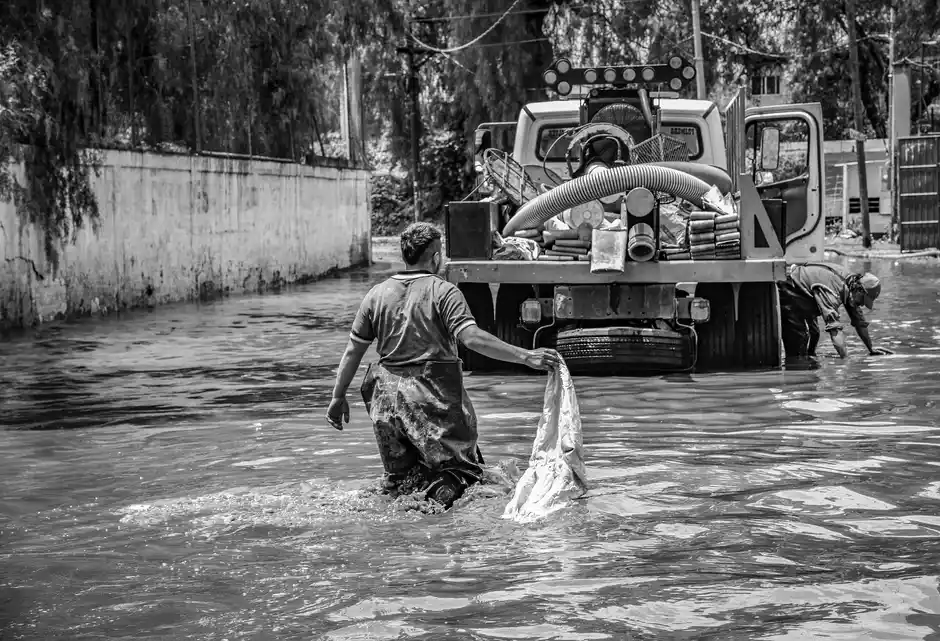
A black and white photo depicting flood cleanup efforts in an urban setting, showcasing resilience.
Licensed Licensed & Bonded
Fully Insured Insured & Bonded
24/7 Emergency Same-Day Response
Warranty Backed Workmanship Guaranteed

What Basement Flood Cleanup Includes

Our cleanup covers assessment, water extraction, removal of loose flood debris, cleaning of affected surfaces, and monitored structural drying. We identify water that may require specialized contamination handling and explain any material removal before doing that work. Plumbing repairs, foundation waterproofing, and rebuilding finished rooms are separate trades or later repair phases; we focus on making the basement safer, cleaner, and ready for the next step.

Water Source Assessment

We identify how water entered, map the affected rooms, and note immediate safety concerns before extraction. Understanding whether the source was a supply pipe, stormwater, or sewer backup determines the handling method and helps you address the problem that caused the flooding.
Standing Water Extraction

We remove pooled water with pumps, vacuums, or extraction wands suited to depth and access. The crew works through low points and edges, then gathers loose debris that would interfere with cleaning or drying. Extraction is the first major step toward stabilizing the basement.

Surface Cleaning

We clean affected hard surfaces and use disinfectants or antimicrobial cleaning agents when appropriate for the water source and material. Contaminated areas receive more controlled handling than clean-water leaks. We protect adjacent dry spaces and explain which contents need separate attention.

Drying and Moisture Checks

We position air movers and dehumidifiers to move moisture out of affected materials, then check readings during the drying period. Equipment placement changes with room shape and airflow. You receive updates on progress and the next check rather than a fixed promise that every basement will dry on the same schedule.

Basement Flood Cleanup in Illinois: The Work


Basement Flood Cleanup in Illinois is a water-damage service that removes floodwater, contaminated debris, and residual moisture after a basement flooding event. We first identify the water source and assess whether the water is clean, gray, or potentially contaminated; then we extract water, remove unsalvageable materials as agreed, clean affected surfaces, and establish a drying plan. Moisture meters help track readings in floors and framing rather than relying on touch. The goal is to stop ongoing damage and provide measurable evidence that structural materials are drying.

Illinois homes face basement flooding from spring thaw, intense summer storms, groundwater intrusion, sewer backup, burst water pipes, appliance leaks, and sump pump failure. Older masonry foundations and finished lower levels respond differently from newer poured-concrete construction, so drying plans must fit the building. Our team documents the affected area and explains the next steps plainly. If you're searching how to hire a basement flood cleanup company in Illinois, ask how it handles water extraction, moisture checks, and contaminated materials.

What to Expect During Cleanup

Basement Flood Cleanup in Illinois follows a practical sequence: identify the source, protect people and unaffected rooms, remove water, clean, and monitor drying. We explain each stage before moving ahead, so you know what is happening in your home and what you can expect that day. A simple water event may move quickly; contaminated water or extensive wet materials take longer.

01

Schedule

Call or book online — a real human picks up and confirms a 2-hour arrival window.

02

Diagnose

Licensed tech inspects on-site, then walks you through the cause and your options.

03

Fix

The job is completed to code and done right the first time — no shortcuts, no surprises.

04

Guarantee

Every job backed by a written workmanship warranty — and we stand behind it.

Equipment and Drying Methods

Tools & Equipment

Submersible sump pumps

We use pumps to lower deeper standing water before detail extraction. Pump capacity and discharge routing are matched to the site so the crew can reduce water without directing it back toward the foundation.

Truck-mounted water extraction units

For larger losses, truck-mounted units move substantial water efficiently from accessible areas. We pair them with extraction wands for edges, floor transitions, and locations where broad equipment cannot reach.

Air movers and commercial dehumidifiers

Air movers circulate air across damp surfaces while commercial dehumidifiers remove moisture from the room. We adjust placement as readings change, rather than leaving equipment in one arrangement for every basement.

Moisture meters

Moisture meters provide readings in affected materials and help us compare progress over time. We use them to decide whether drying is continuing effectively and whether repairs can move forward.

XPOWER and Dri-Eaz equipment

We use professional restoration equipment, including XPOWER air movers and Dri-Eaz drying units, where the room layout and moisture load call for it. Placement is selected to support airflow and safe access.

Methods & Standards

ANSI/IICRC S500-informed restoration

We use the ANSI/IICRC S500 Standard for Professional Water Damage Restoration as a reference for assessment, water categorization, extraction, and drying decisions. The actual work still depends on the source, materials, and site conditions. We explain those factors and document the affected areas.

Source and water-category assessment

Before cleaning, we identify whether the water came from a supply line, appliance, stormwater, groundwater, or sewer backup. That distinction changes protective measures, contents handling, and surface treatment. We keep potentially contaminated water separate from ordinary clean-water losses.

Measured structural drying

We direct airflow across wet materials and use dehumidification to remove moisture from the basement. Repeat readings show whether the drying plan is working and where adjustments are needed. Equipment stays in place until the affected materials meet practical drying targets for the next phase.

Controlled cleaning and protection

We use personal protective equipment when site conditions require it, keep dry areas separated, and apply cleaning products according to label instructions. For contaminated water, the crew prioritizes safe removal and controlled disposal before treating surfaces or beginning ordinary drying.

When to Call for Cleanup

01

A frozen water line breaks overnight and leaves water across the basement floor before morning.

What we do: We start by confirming the leak is controlled and checking safe access around electrical equipment. Then we extract pooled water, inspect adjacent walls and stored contents, and set drying equipment. If water reached finished spaces, we document the areas that need follow-up checks.

→ You get the water removed and a plan for drying before damp materials remain unnoticed through the day.

02

Heavy rain overwhelms a sump system, and water rises around storage shelves and a furnace room.

What we do: Our crew assesses depth and access, pumps down the affected area, and keeps equipment clear of mechanical hazards. We remove wet debris, check the floor and lower walls, and identify whether the sump system needs separate repair.

→ The immediate water load is reduced, and you have documented moisture checks to guide cleanup and system repairs.

03

A washing machine hose fails while you are away, soaking flooring and the nearby finished wall.

What we do: We extract the water, move accessible items, and check moisture at the floor edge and lower wall. The team cleans affected surfaces and uses air movement and dehumidification to dry materials that remain in place when suitable.

→ You avoid relying on a dry-looking surface alone and know whether the wall or flooring needs further work.

04

A sewer line backs up into a basement utility area and leaves dirty water around stored belongings.

What we do: We restrict access to affected areas, use protective procedures, and separate contaminated contents from items that can be cleaned. We remove water and debris, clean surfaces with appropriate products, and assess porous materials before setting drying equipment.

→ Contaminated residue is handled as a distinct cleanup problem, reducing the chance of carrying it into unaffected rooms.

How Cleanup Works Across Illinois

Illinois basement flood restoration company service has to account for a wide range of homes, from older masonry basements and Chicago-area bungalows to newer poured-concrete subdivisions farther west and central. Those assemblies absorb and release moisture differently. We adjust extraction and drying after checking the actual materials, not just the square footage. November brings freeze risk, and a pipe leak during a cold snap can soak a basement before anyone notices. Spring thaw and heavy rain raise groundwater pressure, while summer storms can overwhelm window wells and sump systems. The source matters: clean supply water, stormwater, and sewer backup do not receive the same handling. We follow applicable product labels and worker-safety requirements, and we use the ANSI/IICRC S500 Standard for Professional Water Damage Restoration as a technical reference. If you need basement flood restoration and drying in Illinois, tell us whether the water is still entering, how deep it is, and whether electrical equipment is nearby. We can then direct safe first steps and arrange the right cleanup response.

Sump Failure After Heavy Rain

Before

A failed sump pump left roughly 2 inches of water across a 500-square-foot basement. Storage boxes were wet at the bottom, water had reached the utility-room threshold, and the floor looked clear only near the stairs. The owners needed the water removed and wanted to know whether the lower walls had also taken on moisture.

After

We pumped out the standing water, extracted remaining water from edges, and removed loose debris. Moisture readings identified damp sections along the lower wall, so drying equipment was positioned for those areas. The water was gone that day; follow-up checks over the next several days guided equipment adjustments and the repair handoff.

Maintenance: Test the sump pump before forecast heavy rain, clear its inlet, and check the discharge route for blockage. Keep stored items on shelving at least several inches above the floor and investigate a pump that cycles unusually often.

Before

A supply line leak wet the laundry-room floor and soaked the base of an adjoining finished wall. The visible puddle covered about 120 square feet, but water had also run beneath a floor covering. The homeowner shut off the line and called after noticing damp trim and a musty odor.

After

We extracted water from the floor and checked the wall and adjacent room with moisture meters. The team cleaned accessible surfaces, removed debris, and set air movers and a dehumidifier. Follow-up readings showed where drying was still needed, giving the owner a clear basis for deciding which finish materials required repair.

Maintenance: Inspect appliance hoses and shutoff valves twice a year, and replace cracked or bulging hoses promptly. Know where the main water shutoff is before a leak occurs, and avoid placing stored items against basement walls.

Before

A summer downpour pushed muddy water through a basement window well and left silt along one wall. The affected area was about 200 square feet, with wet carpet edges and boxes on the floor. The water had receded, but dampness remained beneath the visible debris.

After

We extracted remaining water, removed loose silt and debris, and checked the carpet edge and lower wall for moisture. The crew cleaned affected hard surfaces and set drying equipment to move air through the room. The customer received readings and a clear account of which materials could be dried in place.

Maintenance: Keep window-well drains clear of leaves and check covers before forecast storms. After heavy rain, look for water at basement windows and floor joints; repeated entry needs drainage correction as well as cleanup.

Solve Basement Flood Damage Problems

A basement can remain at risk after the visible water is gone. Wet insulation, hidden water under flooring, contaminated residue, or a repeat leak all need a specific response. Our Illinois team identifies the problem, handles the immediate cleanup, and gives you a practical next step so the same damage does not continue unchecked.

Problem

Standing water remains after a sump pump failure

Water continues soaking flooring and stored belongings, while a failed pump leaves the lower level vulnerable to another rise during rain.

Our Fix

We remove pooled water in a controlled sequence, clear flood debris, and check nearby materials for moisture. We also document the affected area and flag visible pump or discharge concerns for appropriate repair. Once the immediate water is out, we set a drying plan and check that readings are improving.

Problem

Sewer backup leaves contaminated water on basement floors

Residue can spread through footwear, stored items, and porous materials, creating a health and cleanup concern beyond ordinary stormwater.

Our Fix

We treat a sewer backup as a contamination event, protect workers and unaffected rooms, and separate affected contents. Our technicians remove unsalvageable porous materials where needed, clean accessible surfaces, and use suitable disinfectants according to label directions. Drying follows after the contaminated material is addressed.

Problem

Stormwater enters through a foundation or window well

Repeated seepage can wet wall finishes and floor edges, with moisture remaining behind trim after the water recedes.

Our Fix

We extract water, remove silt, and trace the visible moisture path through the affected area. Moisture readings help identify whether nearby materials remain wet. We explain what cleanup can address and when a drainage, window-well, or foundation contractor should correct the entry point.

Problem

Burst pipe wets walls before the leak is found

Water may travel beyond the visible puddle into insulation, wall cavities, and adjoining rooms, delaying safe repair and drying.

Our Fix

After the leak is controlled, we extract water and inspect the surrounding surfaces for signs of migration. We use targeted moisture checks to guide drying and explain whether a section of finish needs access for trapped moisture. That prevents the visible floor from being the only area considered.

A Cleaner, Drier Basement

A Cleaner, Drier Basement

A flooded basement needs more than a quick pump-out: water trapped below flooring or behind finished walls can lead to moisture damage and mold growth. We focus on visible cleanup and hidden moisture, with readings that guide drying rather than guesswork. You get a clear sequence of work, practical updates, and a basement prepared for repairs or a return to normal use.

  • Water Removed Quickly

    Standing water keeps soaking into flooring, drywall, and stored belongings. We select extraction equipment to match the volume and access, then remove water before addressing residue and wet contents. In a manageable residential basement, extraction often takes several hours; larger or divided spaces require a staged approach. Our crew records the affected area so you know what was reached.

  • Moisture Tracked, Not Guessed

    A floor can look dry while its underlayment remains wet. We use moisture meters to check representative points in materials and repeat readings during drying. That gives you a practical basis for deciding when equipment can be removed and repairs can begin, rather than relying on surface appearance alone.

  • Cleaner Affected Surfaces

    Floodwater may carry soil, drain residue, or contaminants that need careful handling. We separate affected contents, clean accessible surfaces, and use appropriate disinfectants where the water category and material call for them. For a sewer backup, we treat the area differently from a clean-water pipe leak and protect unaffected spaces during work.

  • A Clearer Repair Handoff

    Drying records and a defined work sequence help you plan flooring, drywall, or storage repairs without reopening a wet area. We explain which materials were cleaned, which need removal, and what readings remain. Our Illinois basement flood cleanup work is organized around useful next steps, not just getting equipment out of the door.

Standards and Safe Work

Licensed & Certified

  • IICRC Water Damage Restoration Technician — issued by Institute of Inspection, Cleaning and Restoration Certification
  • IICRC Applied Structural Drying — issued by Institute of Inspection, Cleaning and Restoration Certification
  • IICRC Applied Microbial Remediation Technician — issued by Institute of Inspection, Cleaning and Restoration Certification
  • OSHA Hazard Communication Standard — issued by Occupational Safety and Health Administration

Verified Reviews

Customer feedback Not rated

After a sump failure, the crew explained why water near the furnace needed careful access. They pumped the room, checked the lower wall, and returned to measure drying progress. We appreciated the direct updates and knowing when the basement was ready for the next repair.

Customer feedback Not rated

A washer hose leak soaked the floor while we were out. The technicians removed the water, checked the adjoining wall, and showed us readings that were higher than the surface felt. Their explanation helped us understand why equipment needed to stay another day.

Customer feedback Not rated

Stormwater brought mud through our window well. The team removed the debris, cleaned the hard floor, and kept the work focused on the affected area. They also pointed out the wet carpet edge and explained what the moisture check meant for our flooring decision.

Training and Field Judgment

Basement flood work requires sound decisions about water category, material response, worker protection, and drying targets. Our team applies IICRC Water Damage Restoration Technician principles and follows the ANSI/IICRC S500 Standard for Professional Water Damage Restoration as a technical reference. We use local experience to account for Illinois construction, seasonal weather, and the difference between a broken supply line and a sewer backup. We do not claim a fixed job count or tenure; we focus on documenting each loss and matching the method to the conditions in your basement.

  • Technicians apply IICRC Water Damage Restoration Technician practices when assessing water categories, affected materials, and appropriate restoration steps.
  • Our drying decisions use measured moisture readings and repeat checks rather than a fixed equipment schedule for every basement.
  • For suspected contaminated water, we use personal protective equipment and follow OSHA Hazard Communication Standard requirements.
  • We select EPA-registered disinfectants according to label directions and the affected surface, water source, and intended use.
  • Our team records affected areas and explains when drying is complete enough for the next repair phase.
Get Started Today
Training and Field Judgment

Basement Flood Cleanup Questions

Real answers to the questions we hear most often from local homeowners and property managers.

What does professional basement flood cleanup include in Illinois?
Professional cleanup includes water-source assessment, standing-water extraction, affected-material evaluation, surface cleaning, and monitored drying. We check whether water may be contaminated, protect unaffected areas, and use moisture readings to track progress. A routine residential extraction can take several hours, followed by about three to five days of drying in many cases. Sewer backup, hidden water, or saturated materials add cleaning and removal steps.
How long does basement flood restoration take?
Water extraction often takes two to eight hours, and structural drying commonly takes three to five days. The full restoration takes longer if drywall, insulation, flooring, or built-in storage must be removed and replaced. We check moisture readings during the drying period and explain when the affected materials are ready for repairs. A small clean-water leak is usually simpler than widespread stormwater or sewage damage.
Can a flooded basement be dried without removing damaged materials?
Yes, some materials can be dried in place if they are structurally sound, cleanable, and accessible to airflow. We assess the water source, material type, and moisture readings before recommending removal. Saturated insulation, swollen composite flooring, or materials exposed to contaminated floodwater often need removal because surface drying will not address trapped moisture. We explain the reason for each recommendation before proceeding.
When should I call a basement flood cleanup company in Illinois?
Call as soon as you find standing water, a sewer backup, or a failed sump pump; same-day assessment helps limit continued soaking. If water is near outlets, a furnace, or electrical panels, stay out and contact the appropriate utility or emergency service first. We can arrange same-day basement flood damage cleanup Illinois homeowners need when scheduling and site conditions allow, then start safe extraction and drying.

Related Basement Flood Services

Emergency Basement Water Removal

When water is spreading through a lower level, emergency water removal focuses on controlling the immediate loss and extracting pooled water. We assess access, water depth, and safety first, then choose equipment suited to your home. This service often begins the broader cleanup and drying process.

View Emergency Basement Water Removal

Basement Water Extraction

Extraction removes standing water from floors, low spots, and accessible cavities before cleaning and drying begin. We use pumps or vacuums according to water volume and room layout. Thorough extraction reduces the moisture load that dehumidifiers must handle afterward.

View Basement Water Extraction

Basement Pump-Out Services

A deep pool after heavy rain or a failed sump system may need a dedicated pump-out before detailed cleanup. We manage the water level in stages and route discharge through suitable drain hose placement. Once the level is controlled, we can inspect surfaces and begin cleanup.

View Basement Pump-Out Services

Basement Sewage Cleanup

Sewer backup brings contamination concerns beyond ordinary stormwater. We isolate affected contents, use protective procedures, remove contaminated materials when needed, and clean surfaces with appropriate agents. This specialized work helps keep unsafe residue from spreading to dry rooms and stored belongings.

View Basement Sewage Cleanup

Basement Storm Water Cleanup

Stormwater can enter through window wells, foundation openings, or overwhelmed drainage. We extract water, remove silt and debris, and check where moisture traveled. The drying plan accounts for wet masonry, framing, and finished surfaces so you can plan repairs with better information.

View Basement Storm Water Cleanup

Basement Sump Pump Failure Cleanup

A failed pump can leave water rising while you are away or during a storm. We remove the accumulated water, inspect the affected area, and identify whether replacement sump pump check valves or related system repair should be addressed by a qualified plumber.

View Basement Sump Pump Failure Cleanup

Get Basement Flood Cleanup in Illinois

Standing water and damp materials need prompt attention. Our team answers emergency calls 24/7 and explains the first safe steps before cleanup begins. Call now to discuss your basement, the water source, and arranging an assessment.

Call Now Call for Cleanup

Contact Our Referral Team

Call +1 866-896-8166 any time to report basement flooding, a sump pump failure, or a sewer backup in Illinois. Tell us your city, whether water is still entering, and if the water may be contaminated. We route your request to an independent company serving your area so you can discuss the next steps directly.

Or call us right now at +18668968166 — we answer.

Illinois Basement Water Removal Pros


  • Phone

    +18668968166
  • Address

    Illinois

  • Hours

    Mon–Fri: 7AM – 7PM
    Sat: 8AM – 4PM
    Sun: Emergency Only
    24/7 Emergency Available

Call +18668968166 Get Quote
Call Quote