
Logo
Get Estimate

Basement Water Removal in Glenview After Flooding

Basement Water Removal in Glenview starts with stopping the water source and getting standing water out before it spreads into walls, flooring, and stored belongings. We handle Illinois basement water removal in Glenview for homes and commercial properties, from a failed sump pump near The Glen to a burst pipe along the Willow Road corridor. Call us for a direct assessment, safe extraction, and a practical drying plan.

Call for Help Request Service
Emergency response Service area ZIPs Direct phone line
Licensed Licensed & Bonded
Fully Insured Insured & Bonded
24/7 Emergency Same-Day Response
Warranty Backed Workmanship Guaranteed in Glenview
Glenview

Basement Water Removal in Glenview


Basement Water Removal in Glenview is a water damage response service that removes unwanted basement water, addresses its source, and dries affected materials after leaks, flooding, or sewage incidents. We serve Glenview homes and businesses in ZIP codes 60025 and 60026, including The Glen, Downtown Glenview, Swainwood, and Glen Oak Acres. Seasonal snowmelt, intense rain, and cold-weather pipe failures create different jobs, so our first step is identifying whether the water came from a clean supply line, groundwater, stormwater, or a sewer backup. That distinction determines safe handling and cleanup.

  • Locally licensed and insured in Glenview
  • Same-day diagnostics and written estimates
  • Real workmanship warranty in writing
  • Background-checked, in-house technicians

Glenview Basement Water Removal Services

Basement water calls in Glenview range from a few inches around a failed sump pump to widespread flooding after a storm or supply-line break. We check the water source, contents, and affected surfaces before choosing extraction and drying equipment. For standing water pump-out for basements in Glenview, the right approach depends on depth, access, and whether water is contaminated. We also help protect nearby rooms and belongings while the affected area is cleared.

Emergency Basement Water Removal

Emergency Basement Water Removal

When water is spreading through your Glenview basement, we prioritize stopping the source where possible and removing water safely. Our response addresses after-hours pipe breaks, sump failures, and sudden flooding in homes around Swainwood and Glen Oak Acres. We assess electrical hazards and water category before placing extraction equipment, then map out the drying work.

View Details
Basement Flood Cleanup

Basement Flood Cleanup

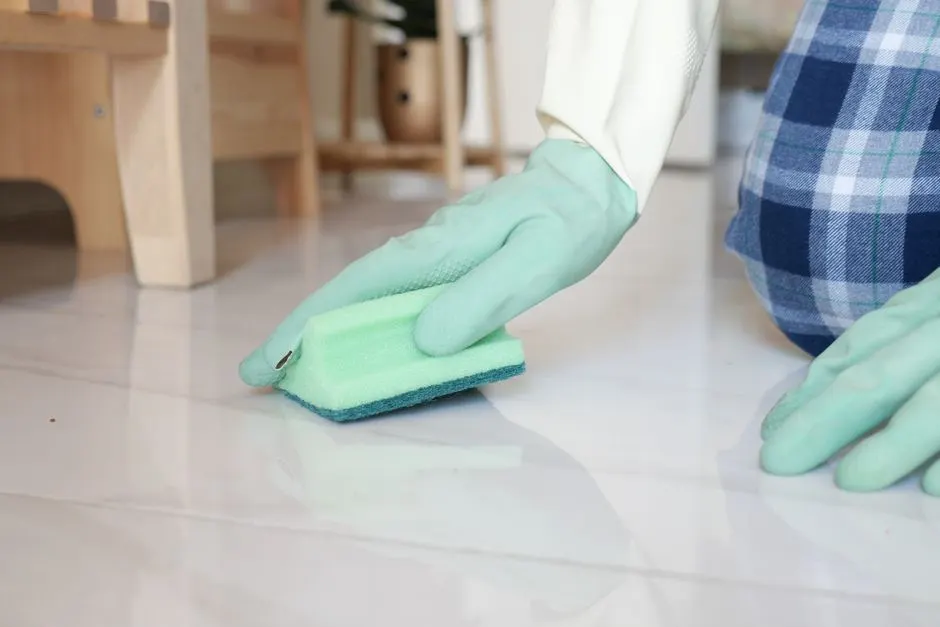
Flood cleanup includes more than clearing the visible puddle. We remove affected materials when needed, clean surfaces, and check concealed areas where moisture can linger. For basement flood restoration in Glenview, we tailor the work to the source, whether stormwater entered after heavy rain or an appliance leak soaked a finished room.

View Details
Basement Water Extraction

Basement Water Extraction

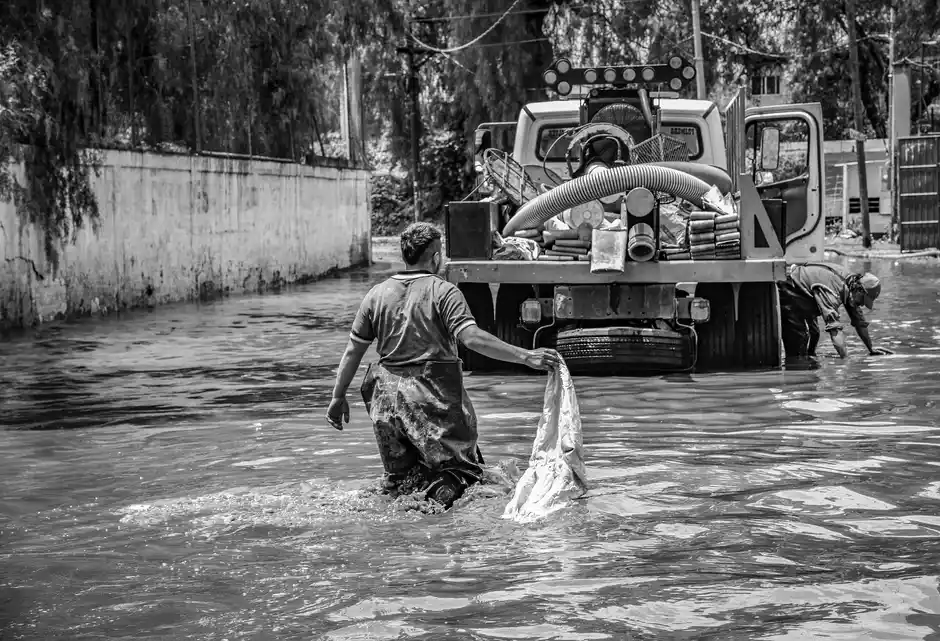
We use extraction equipment suited to the depth and layout of your basement, from open utility areas to finished rooms with tight access. Truck-mounted water extraction units and portable equipment help remove water from floors and reachable low points. Our crew checks the remaining moisture before moving into structural drying.

View Details
Basement Pump-Out Services

Basement Pump-Out Services

A pump-out clears standing water before it migrates farther into flooring, stored items, or wall assemblies. We select pumping capacity based on the volume and source, route discharge safely, and keep an eye on changing water levels. This service is useful after pump failure or heavy stormwater entry in Glenview properties.

View Details
Basement Sewage Cleanup

Basement Sewage Cleanup

Sewage and drain backup water require controlled access and protective equipment. We isolate the affected area, remove contaminated water and unsalvageable porous materials, then clean and disinfect appropriate surfaces. Our sewer backup water cleanup Glenview, Illinois service follows contamination controls instead of treating the incident as ordinary rainwater.

View Details
Basement Storm Water Cleanup

Basement Storm Water Cleanup

Stormwater can carry sediment and debris through a basement entry, window well, or foundation opening. We extract water, remove residue, and assess where moisture traveled. In Glenview, heavy rain can coincide with already saturated ground, so we document affected rooms and establish drying equipment based on measured conditions.

View Details
Basement Sump Pump Failure Cleanup

Basement Sump Pump Failure Cleanup

When a sump stops cycling or loses power, we remove accumulated water and inspect the immediate area for wet materials. Residential basements commonly depend on sump pumps, making a failed unit a time-sensitive problem during storms or snowmelt. We can also identify visible discharge or check-valve concerns for follow-up repair.

View Details
Basement Burst Pipe Cleanup

Basement Burst Pipe Cleanup

A frozen or split pipe can release water into a utility room, finished basement, or ceiling below the plumbing run. We help remove water after the supply is shut off, extract from floor surfaces, and check adjacent wall and ceiling materials. Cold Glenview winters also make exposed pipes and pump discharge lines worth checking.

View Details
Basement Appliance Leak Cleanup

Basement Appliance Leak Cleanup

A leaking water heater, washer, or other basement appliance can leave a deceptively small puddle while moisture spreads under flooring. We extract the water, inspect the surrounding materials, and position drying equipment where readings show it is needed. Quick action helps prevent a contained appliance leak from becoming a larger cleanup.

View Details
Basement Groundwater Intrusion Cleanup

Basement Groundwater Intrusion Cleanup

Groundwater intrusion often appears at floor joints, foundation seams, or low points after prolonged rain or thaw. We remove accumulated water, document the affected area, and dry materials using measured conditions rather than guesswork. Our crew can also point out visible entry patterns for your next maintenance or drainage conversation.

View Details
Emergency Basement Water Removal in Glenview
Service · #1

Emergency Basement Water Removal in Glenview


Basement Water Removal in Glenview is urgent when a failed pipe, overwhelmed drain, or sudden storm leaves water across a finished lower level. Illinois Basement Water Removal Pros responds to homes near The Glen, downtown Glenview, and the older streets around Glenview Road. Our crews assess water depth, identify immediate hazards, and begin extraction with equipment suited to the property, helping limit damage to flooring, stored belongings, and wall materials.

Rapid Arrival And Assessment

Our team coordinates dispatch across Glenview so homeowners can report the source, affected rooms, and access conditions before arrival. For 24/7 basement water removal in Glenview, Illinois, we prioritize active flooding and safety concerns, then inspect electrical risks and water spread. This first assessment helps shape an appropriate extraction plan for everything from compact utility rooms to broad finished basements.

Extraction And Damage Control

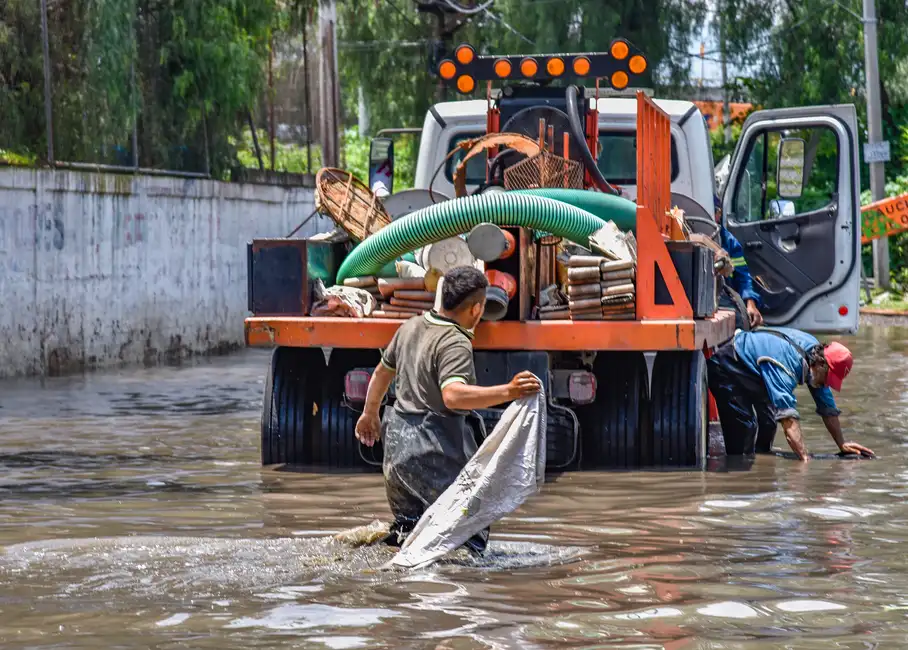
Once the area is safe, technicians remove standing water using pumps and extraction equipment, adjusting the approach for carpet, tile, or concrete. Glenview's spring downpours and winter thaw can send water into lower levels quickly, so prompt removal matters. We also move salvageable contents away from wet zones and document visible conditions to guide the cleanup and drying work.

Drying After The Emergency

Removing visible water is only the first step; damp framing, flooring, and concealed cavities need attention too. We position air movers and dehumidifiers according to measured conditions, checking progress in affected rooms. Whether the call comes from a ranch near Gallery Park or a two-story home by Wagner Road, our technicians explain what remains wet and what the next steps involve.

  • Dispatch emergency technicians to Glenview homes and assess active flooding.
  • Extract standing water from finished rooms, utility spaces, and storage areas.
  • Relocate salvageable belongings away from wet flooring and walls.
  • Set drying equipment and record moisture readings during follow-up checks.

Basement Flood Cleanup in Glenview


Basement Water Removal in Glenview supports thorough flood cleanup after heavy rain, drain overflow, or a sudden plumbing leak. In neighborhoods near Flick Park and the Glenview Metra station, basements range from older utility spaces to renovated family rooms with carpet and built-ins. Illinois Basement Water Removal Pros removes water and debris, evaluates affected materials, and organizes cleanup around the home's layout so the work addresses both visible mess and lingering moisture.

  1. 01

    Sorting Flooded Contents

    Floodwater can spread across storage areas, laundry rooms, and finished living spaces before it is noticed. Our technicians separate items that can be cleaned from materials requiring disposal, while keeping access paths clear. For emergency basement flood cleanup Glenview residents can request, we first consider the water source and contamination risk, then determine safe handling steps for belongings and affected surfaces.

  2. 02

    Cleaning Floors And Surfaces

    After extraction, crews clean hard surfaces and remove residue left by stormwater or plumbing releases. We select suitable methods for concrete, sealed floors, and other materials rather than treating every room alike. Around Glenview's older homes near Waukegan Road, finished basements may have multiple floor types, so technicians note transitions and clean each affected zone with care.

  3. 03

    Tracking Remaining Moisture

    A basement can look clean while moisture remains beneath flooring or behind baseboards. Our cleanup process includes moisture checks and targeted drying in areas where water traveled. We explain which materials are drying in place and where removal may be needed, giving homeowners a practical picture of recovery after a storm or interior flood in Glenview.

  • Remove flood debris and separate salvageable belongings from damaged contents.
  • Clean affected concrete, tile, and other compatible basement surfaces.
  • Check moisture around baseboards, flooring edges, and storage areas.
  • Provide drying equipment placement recommendations for affected rooms.
Basement Flood Cleanup in Glenview

02 / 10

Service

5+ YEARS · GLENVIEW

Basement Water Extraction in Glenview

Basement Water Removal in Glenview begins with efficient extraction when a lower level is inundated by rain, plumbing failure, or seepage. Illinois Basement Water Removal Pros serves properties from The Glen to residential blocks near Glenview Road, bringing equipment selected for water volume and access. Removing water promptly helps protect flooring, stored items, and finished walls while preparing the space for detailed cleaning and structural drying.

Choosing Extraction Equipment

Water depth, floor material, and room access all influence the extraction method. Our crew evaluates the site before using portable extractors or pumps, taking care around stairs, finished trim, and mechanical equipment. For basement water extraction in Glenview, Illinois, we tailor equipment to the conditions rather than relying on a single setup for every property.

Reaching Hidden Wet Areas

Water can collect behind stored boxes, beneath rugs, and along low points in an uneven basement floor. Technicians move accessible contents and check corners, closets, and utility spaces so pooled water is not overlooked. This is especially useful in older Glenview homes where additions or remodeled rooms can create thresholds that interrupt water flow.

Preparing For Structural Drying

Extraction reduces the moisture load, but porous materials may still hold water after the floor appears clear. We inspect accessible surfaces and record readings to identify areas needing air movement or dehumidification. Homeowners receive a clear handoff from extraction to drying, helping them understand what equipment is needed and why conditions should be monitored.

  • Measure water depth and select extraction tools for each affected room.
  • Remove pooled water from floors, corners, and accessible storage spaces.
  • Inspect carpet edges and thresholds for trapped water after extraction.
  • Document moisture conditions before setting up structural drying.
Basement Pump-Out Services in Glenview

Basement Pump-Out Services in Glenview


Basement Water Removal in Glenview includes pump-out support when water accumulates faster than ordinary household equipment can handle. Heavy Illinois rainfall, snowmelt, or a failed sump system can leave deep water in basements near Gallery Park, Johns Park, and the downtown area. Illinois Basement Water Removal Pros assesses the volume and safe discharge options, then pumps down the space in stages where conditions call for controlled removal.

Assess water depth, pump access, and safe discharge locations.

Promise

“When water covers a large floor area or reaches significant depth, a dedicated pump can move it more effectively than small wet vacuums. Our technicians inspect access and identify hazards before beginning. We provide…”

— Glenview customer
Managing Deep Basement Water +

When water covers a large floor area or reaches significant depth, a dedicated pump can move it more effectively than small wet vacuums. Our technicians inspect access and identify hazards before beginning. We provide standing water pump-out for basements in Glenview, selecting a suitable pump and monitoring levels so the process fits the building and the volume involved.

Controlling Pump Discharge +

Pump-out planning includes where extracted water can be discharged and whether the water may contain contaminants. The crew checks site conditions and avoids directing water toward entrances or neighboring foundations. During wet spring weather in Glenview, this careful approach helps prevent runoff from re-entering a basement or creating additional problems around the property.

Checking The Basement Afterward +

Once bulk water is removed, technicians inspect the floor for remaining pools and note any new seepage. Pumping may reveal water entering through a drain, foundation joint, or failed sump pit, so we share observations with the homeowner. Follow-up extraction and drying can then address residual moisture in utility areas and finished rooms.

  • Assess water depth, pump access, and safe discharge locations.
  • Pump accumulated water from basement floors and utility pits.
  • Monitor water levels and watch for renewed inflow during service.
  • Inspect the cleared space for residual pools and visible seepage.
Basement Sewage Cleanup in Glenview
Service · #5

Basement Sewage Cleanup in Glenview


Basement Water Removal in Glenview requires specialized precautions when a sewer backup contaminates a lower level. Backups can affect homes near downtown Glenview and older residential streets with basement drains and laundry connections. Illinois Basement Water Removal Pros limits access to affected areas, identifies contaminated materials, and uses appropriate protective procedures for cleanup. A prompt response helps reduce contact with unsafe water and supports a controlled transition to drying and restoration.

Containing Contaminated Areas

Sewage water should not be treated like a clean plumbing leak. Our technicians establish a work area, use protective equipment, and keep residents and pets away from contaminated surfaces. A sewer backup water cleanup company serving Glenview, Illinois, must also consider how far the water traveled, including floor drains, storage spaces, and adjoining finished rooms.

Removing Affected Materials

Porous materials exposed to sewage may not be suitable for ordinary cleaning. We evaluate carpet, padding, drywall, and stored contents, removing items when contamination cannot be safely addressed in place. In Glenview basements used as laundry rooms or play areas, this careful sorting helps prevent contaminated debris from spreading through the home during removal.

Cleaning And Sanitizing Surfaces

After contaminated water and materials are removed, technicians clean and treat suitable hard surfaces using procedures appropriate to the affected area. We inspect corners and floor-wall joints where residue can remain, then arrange drying equipment. Homeowners receive practical guidance on restricted areas and the next service steps before normal basement use resumes.

  • Restrict access to areas affected by sewage and contaminated water.
  • Remove unsalvageable porous materials using protective handling procedures.
  • Clean and treat compatible hard surfaces throughout the impacted zone.
  • Arrange controlled drying after contaminated contents and residue are removed.

Basement Storm Water Cleanup in Glenview


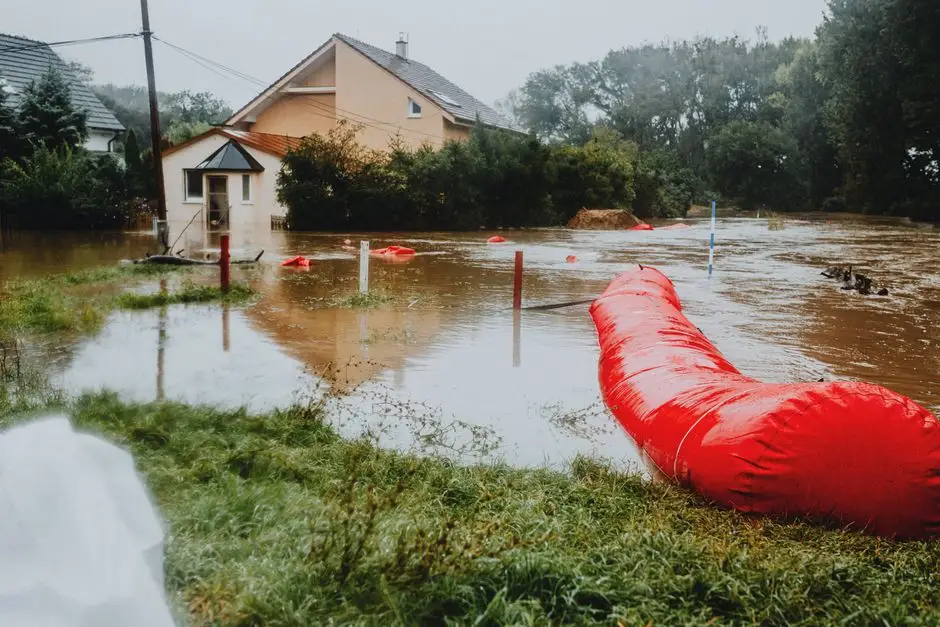
Basement Water Removal in Glenview can help after thunderstorms push rain through window wells, foundation openings, or overloaded drains. Summer downpours and spring thaw are familiar challenges for homes across Glenview, including properties near Flick Park and the Des Plaines River corridor. Illinois Basement Water Removal Pros extracts stormwater, clears affected spaces, and checks for moisture left behind, adapting the cleanup to the source and the basement's construction.

  1. 01

    Tracing Stormwater Entry Points

    Cleanup starts by noting where rainwater entered and how it moved through the basement. Technicians inspect window wells, exterior doors, floor drains, and visible foundation joints without assuming a single cause. Emergency flooded basement cleanup near Glenview, Illinois, can include water tracking across finished rooms, so identifying entry areas helps guide extraction and inform prevention discussions.

  2. 02

    Removing Rainwater And Debris

    Stormwater may carry soil, leaves, and other debris into a basement, particularly after intense rainfall. Our team removes standing water and collects accessible debris before cleaning affected surfaces. Homes near lower-lying streets or landscaped yards may have water entering at more than one point, so we inspect the full affected area rather than focusing only on the largest pool.

  3. 03

    Drying After Heavy Rain

    Rainwater can soak carpet edges, stored cardboard, and lower wall sections even when the visible pool is small. We check these materials and position drying equipment where moisture readings indicate it is needed. In Glenview's humid summer weather, monitoring helps confirm that the basement is progressing toward dry conditions after the storm has passed.

  • Inspect window wells, drains, and visible openings for stormwater entry.
  • Extract rainwater and remove accessible soil and leaf debris.
  • Check carpet edges, lower walls, and stored contents for moisture.
  • Set drying equipment based on readings across affected basement zones.
Basement Storm Water Cleanup in Glenview

06 / 10

Service

5+ YEARS · GLENVIEW

Basement Sump Pump Failure Cleanup in Glenview

Basement Water Removal in Glenview is important when a sump pump stops during rain or snowmelt and water begins gathering below grade. Many homes around The Glen and established Glenview neighborhoods rely on sump systems to manage groundwater. Illinois Basement Water Removal Pros responds by checking water depth, locating the sump pit, and extracting accumulated water, then evaluates the wet areas that may need cleaning and drying after the pump failure.

Responding To Pump Failure

A failed pump can allow water to rise quickly, particularly during a prolonged storm or spring thaw. Our technicians assess the pit, surrounding floor, and any electrical hazards before starting extraction. The crew can also note whether the system appears to have lost power, become obstructed, or failed mechanically, giving homeowners useful observations for follow-up repairs.

Clearing Water Around The Pit

Water often spreads beyond the sump basin into nearby storage or finished rooms. We remove pooled water around the pit and follow its path across the basement, including low points beneath shelving. Glenview properties with basement rec rooms may need careful movement of furnishings so technicians can reach wet flooring and assess the full impact.

Drying Vulnerable Materials

After water removal, the crew checks flooring, baseboards, and accessible wall areas for retained moisture. We arrange air movers and dehumidification where appropriate, then monitor readings during the drying process. This is particularly relevant after repeated pump cycles or a long outage, when water may have reached concealed edges and materials around the sump area.

  • Inspect the sump pit, surrounding floor, and visible electrical hazards.
  • Extract water that escaped from the failed sump system.
  • Move accessible furnishings to reach wet flooring and affected corners.
  • Record moisture readings and position equipment for targeted drying.
Basement Burst Pipe Cleanup in Glenview

Basement Burst Pipe Cleanup in Glenview


Basement Water Removal in Glenview is vital after a burst pipe sends water through a utility room, finished basement, or storage area. Cold Illinois winters can strain exposed plumbing, while aging connections in older homes may fail without warning. Illinois Basement Water Removal Pros helps limit further damage by assessing the affected rooms, extracting released water, and identifying materials that need cleaning or drying across Glenview properties.

Assess water spread from the broken pipe into adjoining basement rooms.

Promise

“Before cleanup begins, the water source needs to be shut off by the homeowner or a plumbing professional. Our technicians then assess how far water spread from the break and check nearby outlets and equipment. Quick c…”

— Glenview customer
Containing The Pipe Release +

Before cleanup begins, the water source needs to be shut off by the homeowner or a plumbing professional. Our technicians then assess how far water spread from the break and check nearby outlets and equipment. Quick coordination matters in Glenview homes where a basement utility area may sit beside finished rooms, stored possessions, or a laundry setup.

Extracting Water From Rooms +

Water from a broken pipe can travel beneath furnishings and into floor transitions before the leak is discovered. We use suitable extraction tools to clear accessible pools and check adjacent spaces. Basement water cleanup company Glenview homeowners call can help address wet concrete, carpet, and utility-room floors while keeping the affected area organized for further inspection.

Checking Walls And Flooring +

A pipe release may wet drywall, trim, and flooring well beyond the visible puddle. Our crew checks exposed surfaces and moisture-prone edges, noting where drying equipment can reach and where materials may require further evaluation. We explain observed conditions and coordinate next steps so homeowners know how the cleanup will proceed after the leak is controlled.

  • Assess water spread from the broken pipe into adjoining basement rooms.
  • Extract pooled water from utility areas, carpet, and hard floors.
  • Check accessible wall edges, trim, and flooring for moisture.
  • Document affected materials and recommend appropriate drying equipment.
Basement Appliance Leak Cleanup in Glenview
Service · #9

Basement Appliance Leak Cleanup in Glenview


Basement Water Removal in Glenview can address leaks from washing machines, water heaters, and other appliances located below grade. A loose hose or failed tank may release water across laundry rooms and nearby finished spaces in homes from downtown Glenview to the streets around Patriot Boulevard. Illinois Basement Water Removal Pros extracts the water, cleans affected surfaces, and checks surrounding materials so a small appliance failure does not leave hidden dampness behind.

Finding The Leak Footprint

Appliance leaks often spread under machines, shelving, and stored laundry supplies before becoming visible. Our technicians inspect the floor around the appliance and follow moisture into adjacent areas, taking care around electrical connections. In Glenview laundry rooms, a narrow space behind a washer or water heater can conceal water that needs extraction before drying begins.

Extracting Appliance Water

After the appliance source is stopped, we remove standing water from the room and nearby floor transitions. Our team uses equipment suited to tight utility spaces and checks beneath accessible edges where water can collect. Affordable basement water extraction services in Glenview, Illinois, start with matching the cleanup approach to the water volume and affected materials.

Protecting Nearby Finishes

Water can wick from a laundry area into finished flooring, baseboards, or stored belongings. We inspect surrounding surfaces and separate items that can be moved from those requiring additional attention. Once visible water is cleared, moisture readings help determine whether air movement or dehumidification is needed in the appliance room and adjoining Glenview basement spaces.

  • Inspect beneath and around leaking washers, water heaters, and appliances.
  • Extract water from utility floors and adjoining basement transitions.
  • Move accessible stored items away from wet appliance areas.
  • Check nearby baseboards and finishes for moisture migration.

Basement Groundwater Intrusion Cleanup in Glenview


Basement Water Removal in Glenview helps manage groundwater that seeps through foundation joints, floor cracks, or lower-level openings. Seasonal rainfall and thawing snow can raise moisture pressure around homes in established neighborhoods near Glenview Road and the North Branch corridor. Illinois Basement Water Removal Pros removes accumulated water, checks affected materials, and documents visible seepage patterns, helping homeowners address the immediate intrusion and understand which areas need thorough drying.

  1. 01

    Mapping Seepage Patterns

    Groundwater may appear as a thin line along a wall, collect at floor joints, or enter through several points after rain. Our crew records visible entry locations and checks low areas throughout the basement. This inspection is helpful in Glenview homes with older foundations, where water can travel behind stored items before pooling in an open section.

  2. 02

    Removing Collected Groundwater

    Once the affected area is assessed, technicians extract standing water and remove accessible residue from floors. For basement flood restoration in Glenview, this initial removal helps prepare the space for cleaning and drying without overlooking water gathered beneath shelving or near mechanical equipment. We adapt extraction to both unfinished utility rooms and remodeled lower levels.

  3. 03

    Monitoring Foundation-Area Moisture

    Even after pooling stops, masonry, lower wall finishes, and floor edges may remain damp. We check accessible materials and use moisture readings to guide air movement and dehumidification. If seepage continues during service, technicians note the change and share observations, so homeowners can distinguish immediate cleanup needs from longer-term water-entry concerns.

  • Map visible seepage along foundation walls, floor joints, and corners.
  • Extract groundwater from low spots and accessible basement surfaces.
  • Check stored-item areas and mechanical spaces for concealed pooling.
  • Record moisture readings near affected walls and flooring.
Basement Groundwater Intrusion Cleanup in Glenview

10 / 10

Service

Residential Basement Water Removal

Residential Basement Water Removal in Glenview

Glenview homes use basements for family rooms, laundry, storage, and mechanical equipment, so water damage can interrupt more than one part of the household. A sump failure during rain, burst pipe during a freeze, or appliance leak can wet carpet, drywall, and stored belongings. We start by identifying the source and water category, then extract water and check materials that may hold moisture below the visible surface. Our basement water extraction in Glenview, Illinois service helps homeowners understand what is wet, what can be dried, and what needs removal. We keep access paths orderly and explain each step while work is underway.

  • Finished basement water extraction — We extract water from finished rooms and check carpet edges, baseboards, and flooring transitions for hidden moisture. In Glenview, a small visible puddle can extend beneath a finished surface, so our crew measures affected areas before setting drying equipment. We also move items only as needed to reach wet materials.
  • Sump failure pump-out — When a sump pump stops, we remove accumulated water and assess the immediate basement impact. We look for wet flooring, stored belongings, and lower wall moisture, then explain what pump or discharge repair should follow. Glenview homeowners can call while water is still entering so extraction can begin sooner.
  • Pipe and appliance leak cleanup — A split pipe, washer hose, or water heater leak can soak a utility room before it reaches the rest of the basement. We extract water after the source is controlled and inspect nearby materials. For Glenview homes, identifying the leak area helps prevent a repeat loss during drying.
  • Contaminated water cleanup — Sewer backup and dirty stormwater need controlled cleanup, not ordinary household mopping. We isolate the affected part of your Glenview basement, remove contaminated water and materials that cannot be safely cleaned, and treat suitable surfaces according to product directions. Keep people and pets out until the area is cleared.
Commercial Basement Water Removal

Commercial Basement Water Removal in Glenview

Commercial properties in Glenview need basement water handled with attention to customer access, inventory, building systems, and reopening plans. Offices, retail spaces, restaurants, and mixed-use properties can have storage, mechanical rooms, or lower-level work areas affected by a leak or stormwater entry. We coordinate the extraction route with the property contact and identify areas that must remain clear. For emergency flooded basement cleanup near Glenview, Illinois, share the entrance, loading access, and any operating hours so our crew can organize equipment movement and limit unnecessary disruption. We assess affected materials and document drying progress for the next steps.

Retail and restaurantsProfessional officesProperty managementCommunity facilitiesLight commercial buildings

Common Glenview Basement Water Problems

Glenview basements face a mix of sump pump dependence, winter pipe exposure, heavy rain, and seasonal snowmelt. Dense development and heavy rain can strain neighborhood drainage, but the source of water still needs to be verified at each property. Our emergency basement flood cleanup Glenview service distinguishes groundwater intrusion from a plumbing leak or sewer backup before cleanup begins. That matters because water category determines safe access, material handling, and which cleaning steps are appropriate.

Sump pump failure during heavy rain or seasonal snowmelt

Many residential basements depend on a sump system to manage water. A power interruption, failed float, worn pump, or obstructed discharge can leave water in the pit and then on the basement floor, particularly when rain or thaw increases water entering the system.

Frozen or split basement pipes during deep winter cold

Cold winters create risks for pipes and pump discharge lines, especially where plumbing or discharge piping is exposed to low temperatures. A split line can leak into a utility space or finished room, and water can spread before the homeowner locates the failure.

Stormwater seepage at basement openings or foundation joints

Heavy rainfall can saturate surrounding ground and send water toward low openings, window wells, or foundation seams. Local drainage conditions and property grading vary, so the visible entry point may not account for all the moisture in the basement.

Sewer backup that contaminates basement floors

A drain or sewer backup can push contaminated water through a floor drain or plumbing fixture. Even a limited release may affect porous materials and stored belongings. Odor and visible residue are warning signs that standard clean-water extraction is not enough.

When to Call for Basement Water Removal

Call for Basement Water Removal in Glenview when water is actively entering, standing on the floor, or reaching porous materials such as carpet and drywall. A damp smell or a failed pump can signal a larger issue even when the visible puddle is small. For emergency flooded basement cleanup near Glenview, tell us whether the water is clear, muddy, or sewage-related and whether the source is still active. That information helps us choose protective equipment and extraction methods before arrival.

  • Water pooling around the sump pit

    A rising level around the pit can mean the pump has failed, lost power, or cannot discharge. If water is spreading onto the basement floor, move valuables only if it is safe and call for extraction. Do not reach into standing water near electrical equipment.

  • Wet carpet or lifting floor edges

    Water can travel beneath carpet and flooring beyond the visible wet patch. A soft spot, lifted seam, or damp baseboard means moisture may have reached the underlayment or wall cavity. Prompt extraction and moisture checks help identify how much material is affected.

  • Sewage odor near a floor drain

    A foul odor, dark water, or material emerging from a floor drain can indicate a sewer or drain backup. Treat the water as contaminated, keep children and pets away, and avoid contact. Professional removal includes protective controls and suitable cleaning procedures.

  • Water marks on lower basement walls

    Fresh tide marks, bubbling paint, or swollen baseboards show that water has reached the wall assembly. Moisture can remain behind finishes after the floor dries. A technician can check the depth of the affected area and set drying based on readings.

  • A burst pipe or appliance leak

    A leaking washer, water heater, or split pipe can release water rapidly and continue until the source is shut off. Stop the supply if it is safe, then arrange extraction. Water below cabinets or equipment can remain hidden after the exposed floor appears clear.

Glenview Landmarks for Orientation

Landmarks help callers describe their location without guessing at unfamiliar street names. The Glen Town Center, Gallery Park, Historic Wagner Farm, and Kohl Children's Museum are recognizable reference points around Glenview. We use them for orientation only, then confirm your address and the best loading or entry point before bringing equipment in. Clear directions matter when a basement entrance is at the rear of a home or a commercial property has a shared drive.

The Glen Town Center

The Glen Town Center is a recognizable destination within The Glen development. Callers can use it as an orientation point when describing nearby residential streets or arranging an equipment drop-off.

Kohl Children's Museum

Kohl Children's Museum is a prominent Glenview destination and a useful reference when identifying the general area of a property. We still confirm the exact street address before routing a service vehicle.

Historic Wagner Farm

Historic Wagner Farm is a well-known local landmark that helps distinguish the surrounding part of Glenview. Mentioning it can help clarify general directions, but the property address remains the routing point.

Coverage across Glenview & Cook County

6002560026

Plus surrounding Cook County neighborhoods, with same-day routing on most appointments.

Glenview Seasonal Water Risks

In November, Glenview homeowners should prepare for winter freezes that can split pipes or obstruct pump discharge lines; the next major basement concern is spring snowmelt and rain. Lake County and Cook County weather brings seasonal snowmelt and storms, while summer downpours can test drainage and sump systems. If you need affordable basement water extraction services in Glenview, Illinois, the best way to control avoidable costs is to call while water is limited and report the source clearly. Each season creates a different trigger, but early extraction remains important.

Spring

Thawing ground and repeated rain can increase groundwater pressure and expose weak points around basement floors, foundation joints, or window wells. A sump pump may cycle frequently, and a failure can leave standing water before you notice it.

Tip: Test the sump pump before the thaw, keep the pit clear, and confirm the discharge path is open. If water appears, photograph the entry area only when safe and call before moving wet materials.

Summer

Strong storms can bring fast runoff and stormwater seepage. A short period of intense rain may reveal a leak at a low opening or overwhelm a sump system. Appliance leaks also remain a year-round source of basement water.

Tip: Keep stored items off the floor in areas with past moisture and check the sump after major storms. If muddy water enters, avoid contact and tell us the water's appearance when you call.

Fall

As temperatures fall, homeowners begin using basement heating and plumbing systems more often. Leaves and debris can obstruct exterior drainage paths, while the first cold snaps can expose vulnerable pipes or pump discharge lines.

Tip: Clear accessible drain openings, inspect exposed piping, and confirm the sump discharge is not blocked. Repair small plumbing leaks promptly; a slow leak can saturate flooring before it becomes obvious.

Winter

Freezing temperatures raise the risk of split pipes, frozen discharge lines, and water releases in utility rooms. A leak can occur overnight, including during a cold snap when access to an exterior shutoff or line is difficult.

Tip: Know where the main water shutoff is and keep the route to it clear. If a pipe bursts, shut off water only if safe, avoid electrical hazards, and call for emergency extraction.

Basement Water Removal in Glenview FAQs

Real answers from our team for the questions we hear most often before a job starts.

How much does basement water removal cost in Glenview, Illinois?
A small clean-water extraction often costs about $250-$700, while larger or contaminated jobs can range from $1,000 to $4,000 or more. The final price depends on water volume, access, affected materials, and drying needs. For affordable basement water extraction services in Glenview, Illinois, call with the water source and approximate depth so we can assess the right work. Typical 2026 pricing is a planning range, not a property-specific quote.
Who provides emergency basement water extraction in Glenview?
Illinois Basement Water Removal Pros provides emergency basement water extraction in Glenview for leaks, sump failures, stormwater, and sewer incidents. Call +18668968166 and tell us whether water is still entering, how deep it is, and whether it smells like sewage. Our crew will use those details to prepare appropriate extraction and protective equipment. We serve residential and commercial properties across Glenview, including ZIP codes 60025 and 60026.
How quickly can a basement flood cleanup team reach Glenview?
Arrival time depends on weather, active calls, and your address, so we provide a realistic time update when you call. Emergency service is available 24/7, and sharing your nearest landmark or cross street helps clarify routing. Tell us if the water is rising or contaminated. For emergency flooded basement cleanup near Glenview, keep clear of electrical hazards while the crew is on the way.
Does basement flood restoration in Glenview include drying?
Yes, when affected materials need it, restoration includes measured drying after standing water is removed. We check moisture in flooring edges, lower walls, and other affected materials, then place air movers and dehumidification equipment as conditions require. Drying often takes 2-5 days, with readings guiding adjustments. The exact time depends on material type, water volume, temperature, and airflow in your basement.
Can you clean up a Glenview basement sewer backup?
Yes, we provide sewer backup water cleanup Glenview, Illinois homeowners and businesses can call for contaminated basement water. We restrict access, use protective equipment, remove contaminated water and unsalvageable porous materials, and clean suitable surfaces with label-compliant products. Keep children and pets away from the area and avoid touching the water. Call promptly so we can assess the source and affected rooms.

Call for Basement Water Removal in Glenview

If water is standing in your Glenview basement, call Illinois Basement Water Removal Pros at +18668968166. Our emergency line is available 24/7; tell us the water source, approximate depth, and whether a drain or sewer is involved. We will explain the next step and arrange the appropriate response for your property. Keep clear of electrical hazards and contaminated water while you wait.

Call Our Team Send a Message

Contact Our Referral Team

Call +1 866-896-8166 any time to report basement flooding, a sump pump failure, or a sewer backup in Illinois. Tell us your city, whether water is still entering, and if the water may be contaminated. We route your request to an independent company serving your area so you can discuss the next steps directly.

Or call us right now at +18668968166 — we answer.

Illinois Basement Water Removal Pros


  • Phone

    +18668968166
  • Address

    Illinois

  • Hours

    Mon–Fri: 7AM – 7PM
    Sat: 8AM – 4PM
    Sun: Emergency Only
    24/7 Emergency Available

Call +18668968166 Get Quote
Call Quote