
Logo
Get Estimate

Basement Appliance Leak Cleanup in Illinois

Stop the leak damage and get your basement drying


Basement Appliance Leak Cleanup in Illinois helps homeowners and property managers recover from washer, water heater, refrigerator, and utility-sink leaks. We extract standing water, check affected materials for retained moisture, and set up drying equipment where needed. If water is spreading beneath stored items or into finished rooms, call us before the wet area grows; quick extraction reduces the time moisture remains against flooring and framing.

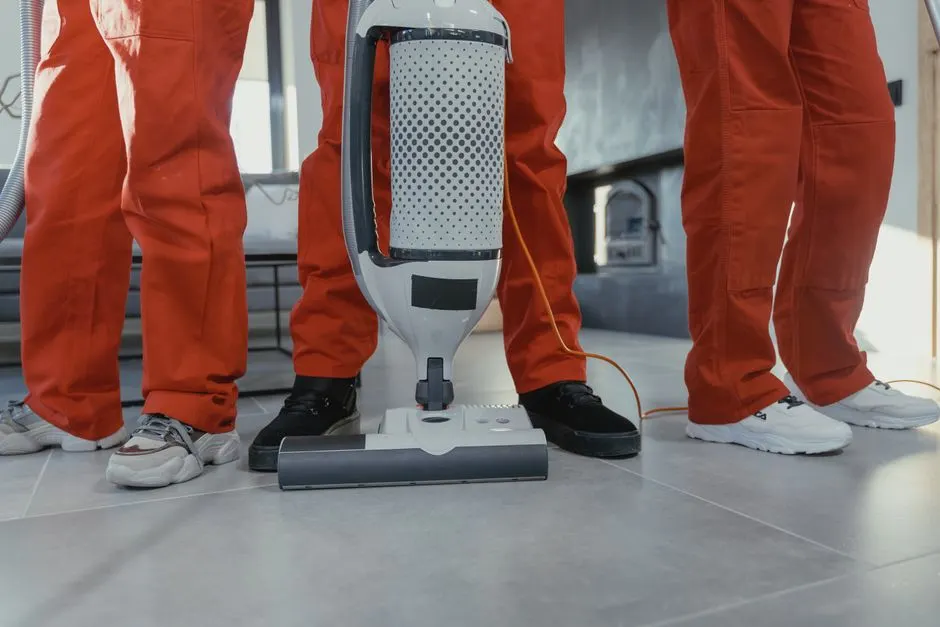
Team of professional cleaners in red uniforms using a vacuum cleaner indoors.
Licensed Licensed & Bonded
Fully Insured Insured & Bonded
24/7 Emergency Same-Day Response
Warranty Backed Workmanship Guaranteed

What Appliance Leak Cleanup Includes

We cover the cleanup tasks needed to remove appliance water and dry affected basement materials: source and water-path assessment, standing-water extraction, surface cleaning, moisture checks, and drying equipment placement when readings support it. Plumbing or appliance repair is separate from restoration cleanup, and concealed damage may require additional access. We explain the work needed for the conditions we find and give you one upfront price before starting.

Leak Path Inspection

We inspect the appliance area, nearby floor, wall edges, and accessible drain route to find where water traveled. That check helps distinguish a supply-hose leak from a drain overflow and identifies wet areas hidden behind stored items.
Standing Water Extraction

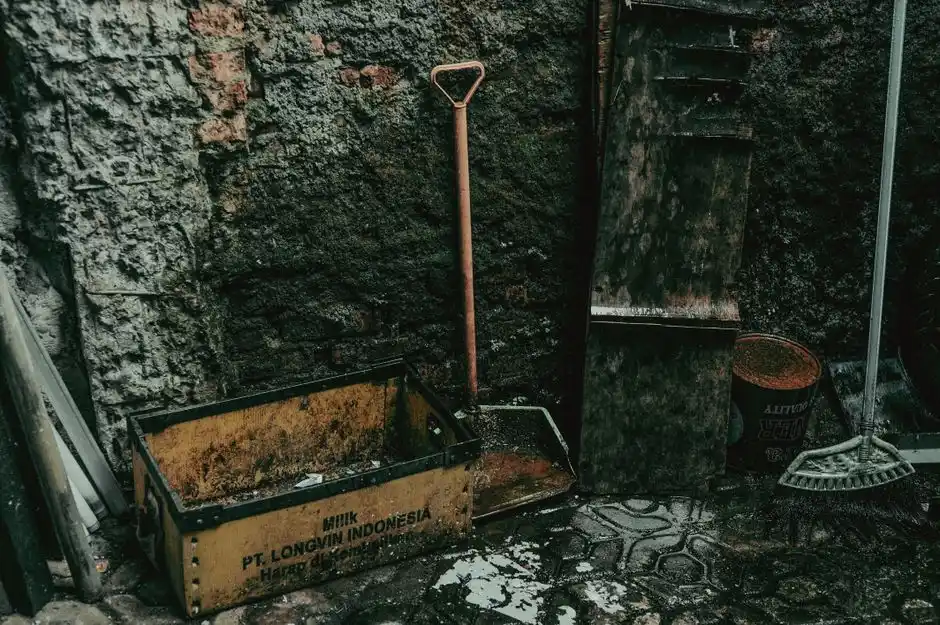
We remove accessible water from hard floors, carpet, and low spots using equipment suited to the space. Extraction includes edges and appliance corners where water often collects, rather than stopping at the center of the visible puddle.

Affected Surface Cleaning

We clean the surfaces touched by the leak and select products based on the water source and material. Where cleaning agents are used, we follow label directions and keep you informed about treated areas and required drying time.

Moisture Readings

We check affected materials with moisture meters and compare readings to nearby dry areas. Readings guide decisions about air movement, dehumidification, and follow-up; a dry surface alone does not establish that the full material assembly is dry.

Drying Setup Guidance

When needed, we position air movers and commercial dehumidifiers to support drying without blocking essential access. We explain how long equipment is expected to run based on the materials and readings, then review the next check with you.

Basement Appliance Leak Cleanup in Illinois


Basement Appliance Leak Cleanup in Illinois is a water-damage restoration service that removes water from appliance failures and dries affected basement materials. We first identify the leak source and the water's path, then extract pooled water from floors, carpet, and accessible low areas. Moisture meters help us check drywall edges and baseboards, while thermal imaging cameras can reveal temperature patterns that warrant closer moisture testing. We move contents where practical, protect unaffected areas, and explain which materials can be dried and which need removal.

Illinois homes face basement water from washer supply hoses, clogged drain lines, aging water heaters, and refrigerator lines, as well as seasonal groundwater intrusion and stormwater seepage. A leak that runs overnight can reach stored boxes, wall cavities, or the sump pit before you see it. Our Illinois basement appliance leak cleanup addresses the water and the damp materials left behind; if you need water extraction after a basement washer leak Illinois, we inspect the route from appliance to floor drain before setting equipment.

What Happens During Cleanup

Basement appliance leak cleanup starts with stopping active water and tracing where it traveled. We explain each stage before moving equipment, keep access paths clear, and check progress using measurements rather than appearance alone.

01

Schedule

Call or book online — a real human picks up and confirms a 2-hour arrival window.

02

Diagnose

Licensed tech inspects on-site, then walks you through the cause and your options.

03

Fix

The job is completed to code and done right the first time — no shortcuts, no surprises.

04

Guarantee

Every job backed by a written workmanship warranty — and we stand behind it.

Equipment and Drying Methods

Tools & Equipment

Submersible sump pumps

We use these for deeper pooled water when pumping is appropriate, directing discharge through a suitable route and checking that active inflow is controlled.

Truck-mounted water extraction units

Higher-capacity extraction helps clear broad, accessible areas efficiently; we reserve it for water volume and access conditions that justify the setup.

Water extraction wands

A wand reaches appliance edges, tight utility-room corners, and floor transitions where water remains after open areas have been cleared.

Commercial dehumidifiers

These remove moisture from basement air during structural drying; we size and position them according to the affected area and observed readings.

Moisture meters

We use readings to compare affected materials with reference areas and to track whether drying is progressing beyond a dry-looking surface.

HEPA air scrubbers

When site conditions call for airborne particle control, HEPA air scrubbers help filter air while cleanup or material handling takes place.

Methods & Standards

ANSI/IICRC S500-informed assessment

We use the ANSI/IICRC S500 Standard for Professional Water Damage Restoration as a reference for assessing water damage, extraction, drying, and documentation. The approach starts with the water source and affected materials, then uses measured conditions to guide the work rather than a one-size setup.

Controlled extraction and drying

We remove standing water before placing air movers and dehumidifiers. Equipment is aimed to support evaporation and moisture removal without directing air into areas that should remain isolated. We revisit readings to decide whether to keep, move, or remove equipment as the basement dries.

Product-label cleaning

For affected surfaces, we select cleaning agents appropriate to the material and water conditions. EPA-registered disinfectant label compliance matters: we follow the specified use, dilution, and contact time rather than applying products arbitrarily. Contaminated water calls for a different level of protection and handling.

When Cleanup Is Needed

01

A washer supply hose splits overnight and leaves standing water around the laundry area.

What we do: We help identify whether the supply is still active, extract water from the open floor, and inspect the washer footprint and nearby wall edges. If water reached stored items, we work around them carefully and check the floor beneath accessible contents before setting drying equipment.

→ You get the water removed and a measured picture of what remains damp, reducing guesswork about the laundry-room floor and baseboards.

02

A water heater drips for several days, then a damp smell appears in the basement utility room.

What we do: We inspect the tank base, surrounding floor, and adjacent wall for the leak path. After extraction, we check materials for moisture and explain whether the area can dry with equipment or needs access for hidden wet material. We also identify the source location for repair.

→ You can address the leak and the wet materials as separate tasks, instead of covering an odor while moisture remains below the surface.

03

A refrigerator line leaks into finished flooring beside a basement family room.

What we do: We check floor seams and nearby trim, extract water that remains accessible, and assess whether moisture has moved beneath the finish. Drying equipment is placed to protect unaffected access where practical, and readings guide follow-up rather than relying on surface appearance.

→ You learn whether the wet area is limited to the appliance corner or extends into the finished room before deciding on repairs.

04

A leaking appliance coincides with stormwater seepage or a sump pump failure.

What we do: We separate the appliance water from continuing water entry, assess the sump and floor-drain area, and remove standing water in a controlled order. If water quality is uncertain, we use protective equipment and cleaning methods suited to the conditions.

→ The cleanup plan accounts for both causes, so water is not extracted only to return from an unresolved source.

How Cleanup Works Across Illinois

Illinois basements range from older masonry utility spaces to finished rooms with carpet, laminate, and drywall. Cold winter periods raise the risk of frozen supply lines near exterior walls, while spring rain can combine appliance leaks with groundwater intrusion or sump pump failure. We ask whether the water is still entering, how long it ran, and what flooring lies beneath the wet area before selecting extraction equipment. In larger homes, a washer leak may travel past a floor drain; in compact basements, equipment placement and a clear exit path matter just as much. Our Illinois appliance leak flood cleanup separates clean supply water from drain backup or contaminated floodwater, because the source changes safe handling and cleaning. If you are checking how to dry a basement after an appliance leak in Illinois, start by stopping the source and removing accessible standing water; we then use moisture readings to guide the next steps. Local plumbing requirements vary by municipality, so plumbing repairs should follow the applicable local code and be completed by a qualified plumbing professional.

Neighborhoods We Serve

  • Champaign residential basements

    Laundry rooms and utility spaces can sit beside finished living areas; we check floor transitions and lower wall edges where water can travel unnoticed.

  • Palatine suburban homes

    Stored belongings and finished basement flooring call for careful access planning, so we inspect beneath reachable items and protect dry paths through the room.

  • Hoffman Estates utility rooms

    A washer or water-heater leak can pool behind equipment; we use extraction tools suited to narrow clearances and check adjacent baseboards.

  • Bartlett basement laundry areas

    We assess the washer drain route and nearby floor drain, especially when a hose overflow could have spread beyond the appliance footprint.

  • Carpentersville lower levels

    When a leak coincides with wet-weather seepage, we distinguish the appliance source from water entering at foundation or drain points.

Local Conditions We Plan For

  • Freezing temperatures put exposed appliance supply lines at risk.

    A line near an exterior wall or cold utility area can split and release water while the basement is unattended. We check whether the supply remains active and inspect nearby finishes for water that may have spread behind stored items.

  • Spring storms can add seepage to an appliance leak.

    Water entering through a foundation opening or overwhelmed drain may continue after the appliance is shut off. We identify separate sources before extraction so the cleanup does not overlook stormwater or sump-related inflow.

  • Basement finishes vary from bare concrete to enclosed rooms.

    Concrete can be assessed and cleaned differently from carpet, drywall, or wood trim. We check each affected material and use readings to determine whether drying in place is reasonable or access is needed.

Washer Hose Overflow

Before

A washer hose came loose while the household was away, leaving water across the laundry floor and beneath shelving. Several boxes were damp, and the baseboard behind the machine felt cool. The visible puddle covered only part of the water path, so the homeowners could not tell whether the adjacent finished room was affected.

After

We removed accessible standing water, checked the washer footprint and nearby baseboard, and placed drying equipment where readings supported it. The wet area was mapped beyond the visible puddle, and follow-up checks showed which materials were drying. The household had a clear list of damp contents and a next step for the hose connection.

Maintenance: Inspect washer supply hoses and drain connections several times a year, especially after moving the machine. Replace damaged or brittle hoses, keep the drain opening clear, and avoid storing cardboard directly on the floor.

Before

A slow leak at the water heater had dampened the utility-room floor over time. A musty odor appeared near the tank, but there was no obvious pool. Water had reached the floor edge and lower trim, leaving the owner unsure whether the smell came from a spill or another basement problem.

After

We traced the wet area around the tank, extracted remaining water, and checked the floor edge and lower wall. A drying setup addressed the affected materials, with readings used to track progress. The source was identified for plumbing repair, and the owner understood which finishes needed continued attention.

Maintenance: Look for rust, moisture, or fresh mineral marks around the tank and its connections every month. Keep the surrounding floor visible, and arrange repair promptly if a fitting or tank base begins to seep.

Before

A refrigerator supply line leaked beside finished basement flooring. The surface looked nearly dry by the time the owner noticed it, but water had collected near a seam and the lower wall trim. Moving the refrigerator without checking the floor could have spread the water or hidden the damp boundary.

After

We inspected the floor seams and trim, extracted water from accessible areas, and checked the surrounding materials with moisture meters. The owner received a clear account of the affected footprint and drying needs. The appliance line was flagged for repair, and equipment was positioned without blocking the main basement walkway.

Maintenance: Check the refrigerator connection for kinks, loose fittings, or moisture during routine cleaning. Keep the line accessible and inspect the nearby floor after moving or servicing the appliance.

Solve Hidden Moisture After Leaks

An appliance leak can leave more than a wet floor: it can soak stored goods, wick into drywall, or create damp conditions that lead to odor and mold growth. We identify the immediate water path, remove standing water, and check materials that may hold moisture after the surface looks dry.

Problem

Washer discharge leaves water behind the machine and under nearby storage.

Water trapped under boxes or flooring can keep materials wet for days, damage belongings, and create a musty smell before the leak is obvious.

Our Fix

We move accessible items, extract water from the washer footprint, and inspect nearby edges and floor transitions. Moisture readings help us decide where drying equipment belongs. If the drain hose or connection appears to be the source, we point it out so you can have the plumbing or appliance connection corrected.

Problem

A slow water-heater leak spreads beneath the utility-room finish.

A small ongoing leak can saturate a floor edge or baseboard and remain unnoticed until swelling, staining, or odor appears.

Our Fix

We trace the water around the tank and adjacent wall, extract pooled water, and check the floor and lower wall for retained moisture. We identify the leak area for repair and explain whether the affected finish can dry in place or needs removal to expose wet materials.

Problem

A refrigerator or freezer line wets finished basement flooring.

Water can move beneath vinyl planks or carpet and spread farther than the damp patch, damaging the underlayer while the top looks nearly dry.

Our Fix

We inspect the visible water boundary and use moisture checks around seams and nearby baseboards. We extract accessible water and recommend drying or material access based on readings. Our team keeps the work area organized so you can reach the appliance and essential basement routes.

Problem

Appliance water combines with a blocked floor drain or sump issue.

A drain backup or sump pump failure can keep water coming back after the appliance is shut off, increasing contamination and cleanup needs.

Our Fix

We check whether the water is still entering and assess the drain and sump area before treating the event as a simple leak. If the source includes contaminated floodwater, we adjust protective measures and cleaning methods, then explain what separate repair is needed to stop recurrence.

Practical Benefits for Your Basement

Practical Benefits for Your Basement

Our goal is to stop active damage, remove water efficiently, and give you a clear drying plan. We focus on the leak's actual footprint, not just the visible puddle, so your next steps are based on measured conditions.

  • Water Out Quickly

    We use suitable extraction equipment to remove standing water before it spreads into more flooring or stored belongings. For a broad, accessible pool, a truck-mounted water extraction unit can move water rapidly; tight corners call for a portable wet/dry vacuum or extraction wand. Your technician checks the floor after extraction rather than treating the visible water as the whole job.

  • Moisture Checked Properly

    A dry-looking floor does not prove that the baseboard, drywall, or cabinet toe-kick is dry. We record moisture readings at affected and nearby comparison points, then recheck during drying. That gives you a practical basis for deciding whether materials need more air movement, additional drying time, or removal.

  • Cleaner Affected Surfaces

    Washer discharge and appliance leaks can leave residue on concrete, vinyl, and stored items. We clean affected hard surfaces with appropriate disinfectants or antimicrobial cleaning agents when conditions call for them, following product-label directions. If water is contaminated or a drain has backed up, we change the cleanup approach to protect you and the crew.

  • A Clear Next Step

    You receive an explanation of the leak path, the materials checked, and the drying equipment placed. We note readings and identify conditions that need follow-up, such as a wet wall cavity or a failed sump pump check valve. You can make repair and insurance decisions with a documented view of the cleanup work.

Standards and Safe Work

Licensed & Certified

  • IICRC Water Damage Restoration Technician — issued by Institute of Inspection, Cleaning and Restoration Certification
  • IICRC Applied Structural Drying — issued by Institute of Inspection, Cleaning and Restoration Certification
  • IICRC Applied Microbial Remediation Technician — issued by Institute of Inspection, Cleaning and Restoration Certification
  • OSHA Hazard Communication Standard — issued by Occupational Safety and Health Administration

Verified Reviews

Customer feedback Not stated

A washer leak had soaked the edge of our basement carpet, and we were worried water had gone beneath it. The crew extracted the standing water, checked the floor edge, and explained the readings. They left us with a practical drying plan and a clear repair note for the drain hose.

Customer feedback Not stated

Our water heater leaked near the storage shelves. The technicians moved what they could, cleaned the wet floor, and checked the lower wall instead of stopping at the visible puddle. We appreciated the direct explanation of what needed more drying and what could stay.

Customer feedback Not stated

Water from the refrigerator line reached the finished part of our basement. The crew traced the wet area, used extraction tools along the floor seam, and set equipment where it would not block the stairs. They told us what the readings meant and when to check the line repair.

Restoration Work Built on Measurement

Appliance leaks look simple until water moves under a finished floor or behind a utility-room wall. We separate extraction, surface cleaning, and structural drying so you know what each step addresses. Our technicians use established restoration practices and follow the ANSI/IICRC S500 Standard for Professional Water Damage Restoration as a technical reference. We also observe OSHA Hazard Communication Standard requirements for chemical handling and use EPA-registered products according to their labels. You get practical explanations, measured checks, and a cleanup plan matched to the materials in your basement.

  • We trace washer, water heater, refrigerator, and utility-sink leaks to distinguish the appliance source from a backed-up drain.
  • Moisture readings compare affected areas with dry reference points, helping us track progress instead of guessing from touch.
  • We assess porous contents and building materials separately because carpet, drywall, concrete, and wood dry at different rates.
  • Technicians use personal protective equipment appropriate to the water source and site conditions.
  • If a leak exposes a plumbing failure, we identify the issue for repair rather than concealing it with drying equipment.
Get Started Today
Restoration Work Built on Measurement

Basement Leak Cleanup Questions

Real answers to the questions we hear most often from local homeowners and property managers.

How do I handle a basement appliance leak in Illinois?
Stop the appliance if safe, keep away from water near electrical equipment, and call for cleanup while water is still accessible. If you can reach the appliance shutoff without crossing standing water, close it; do not operate a wet electrical panel. We locate the leak path, extract water, and check nearby materials. For a washer incident, water extraction after a basement washer leak Illinois should include the wall edges and floor beneath stored items, not only the visible puddle.
When should I call for appliance leak water removal?
Call as soon as water reaches flooring, wall edges, stored belongings, or an area you cannot dry within a few hours. A small puddle can travel under vinyl or carpet and remain hidden. We can assess whether extraction and drying equipment are needed; active water, a spreading wet area, or a leak beside electrical equipment warrants prompt action. Do not wait for odor or staining to appear.
Can a small appliance leak cause hidden basement damage?
Yes; even a shallow leak can wet baseboards, carpet backing, cabinet panels, and the bottom edge of drywall. Moisture trapped behind finishes can remain after the surface feels dry, especially when the room is cool. We check suspect areas with moisture meters and compare readings with unaffected materials. If readings stay elevated, we adjust the drying plan or identify material that needs removal.
Who cleans up basement water from a washer leak in Illinois?
Our Illinois crew handles washer-leak extraction, affected-surface cleaning, and drying checks for basements. We inspect the washer supply and drain area, remove standing water, and look for moisture beneath nearby flooring or belongings. If the washer hose or drain connection needs repair, we point out the source so it can be corrected. Call +18668968166 to discuss the water and the affected rooms.

Related Water Damage Services

Emergency Basement Water Removal

Use emergency response when a washer hose breaks, a water heater releases water, or a basement begins taking on water outside normal business hours. We focus first on stopping the active flow and removing accessible standing water, then check the affected area for drying needs.

View Emergency Basement Water Removal

Basement Flood Cleanup

An appliance leak can become a broader flood if water reaches several rooms or combines with drain backup. Flood cleanup covers the wider footprint, including contaminated water assessment, contents handling, surface cleaning, and moisture checks beyond the utility corner.

View Basement Flood Cleanup

Basement Water Extraction

Extraction is the immediate removal stage of appliance leak cleanup. We choose a wand, vacuum, or higher-capacity unit based on water depth and floor access, then inspect the area for remaining moisture that needs controlled drying.

View Basement Water Extraction

Basement Pump-Out Services

A deep pool or repeated inflow can exceed what portable extraction equipment can manage efficiently. Pump-out service removes larger volumes, while we monitor discharge and inspect the source, such as a failed sump system or continuing water entry.

View Basement Pump-Out Services

Basement Sewage Cleanup

If appliance water mixes with a floor-drain or sewer backup, the cleanup requires a contamination-aware approach. We isolate affected materials, use suitable protective equipment, and clean according to the water source rather than treating it like a clean supply-line leak.

View Basement Sewage Cleanup

Basement Storm Water Cleanup

An appliance leak may happen during a storm that also pushes water through foundation openings. This service addresses stormwater seepage and the resulting wet basement areas, helping separate outside water entry from the appliance source.

View Basement Storm Water Cleanup

Get Basement Appliance Leak Cleanup

A wet basement floor can hide moisture under flooring and behind baseboards. We will discuss the leak, the affected area, and the cleanup steps with you; call now to get the conversation started. Our technicians explain pricing upfront before the work proceeds.

Call Now Call for Cleanup

Contact Our Referral Team

Call +1 866-896-8166 any time to report basement flooding, a sump pump failure, or a sewer backup in Illinois. Tell us your city, whether water is still entering, and if the water may be contaminated. We route your request to an independent company serving your area so you can discuss the next steps directly.

Or call us right now at +18668968166 — we answer.

Illinois Basement Water Removal Pros


  • Phone

    +18668968166
  • Address

    Illinois

  • Hours

    Mon–Fri: 7AM – 7PM
    Sat: 8AM – 4PM
    Sun: Emergency Only
    24/7 Emergency Available

Call +18668968166 Get Quote
Call Quote