

Basement Water Removal in Illinois
Basement Water Removal in Illinois starts with stopping the source and extracting standing water before moisture spreads into walls and flooring. We connect you with local crews for flooding, sump pump failures, and contaminated water, including Sewer Backup Water Cleanup in Illinois. Call to discuss your situation and get the next steps moving.
- Licensed & Insured
- Transparent Pricing
- Same-Day Service
- 24/7 Emergency
Licensed
Licensed & Bonded
Fully Insured
Insured & Bonded
24/7 Emergency
Same-Day Response
Warranty Backed
Workmanship Guaranteed

15+
Years Local Trade
Basement Water Removal in Illinois, Statewide
Basement Water Removal in Illinois is a water damage restoration service that removes standing water and begins drying after flooding, plumbing failures, or groundwater intrusion. Illinois Basement Water Removal Pros connects homeowners and property managers with independent companies serving communities across the state. From a flooded Chicago basement to stormwater seepage near Springfield, crews address the water source, extract water, and work to limit moisture damage and mold growth.
Our network handles after-hours calls and emergency Basement Water Removal in Illinois, including frozen pipes during a hard winter night and heavy rain pushing water through a foundation. Teams serving Chicago, Aurora, Naperville, Rockford, and Peoria use moisture meters to check affected materials and plan drying. For contaminated water, Illinois Sewer Backup Water Cleanup follows appropriate protective practices and EPA-registered disinfectant label compliance.
3,200+
Jobs Completed
4.9★
Google Rating
24/7
Emergency Line
Basement Water Removal Services
Our service lineup covers clean-water leaks, storm flooding, sump pump failures, and sewage contamination, with the response matched to the source and affected area. If water is rising now, call about a 24/7 basement water removal company Illinois residents can reach for emergency help. We connect you with independent crews who extract water, address contamination, and dry the basement with equipment suited to the job.

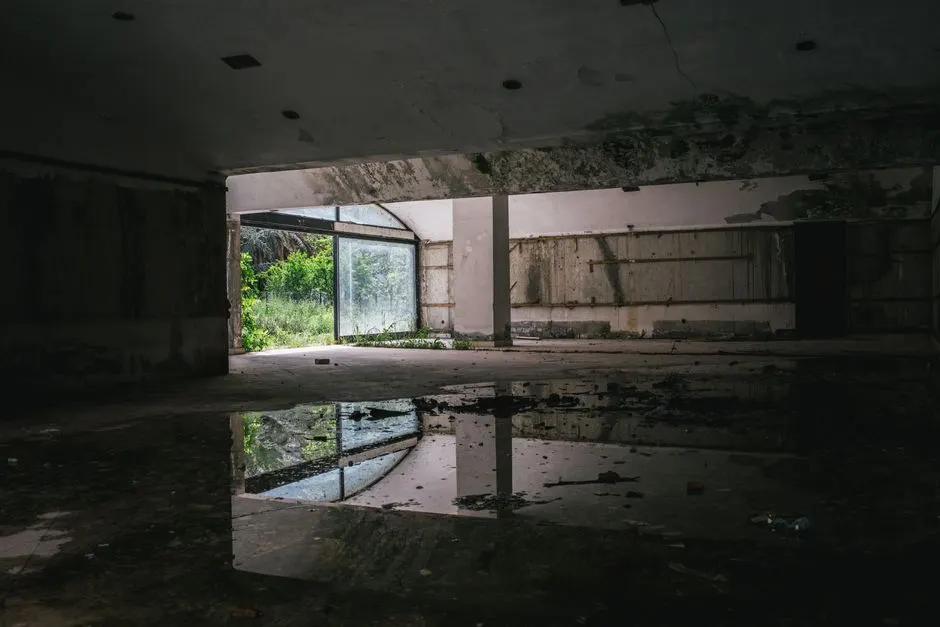
Basement Flood Cleanup
View Details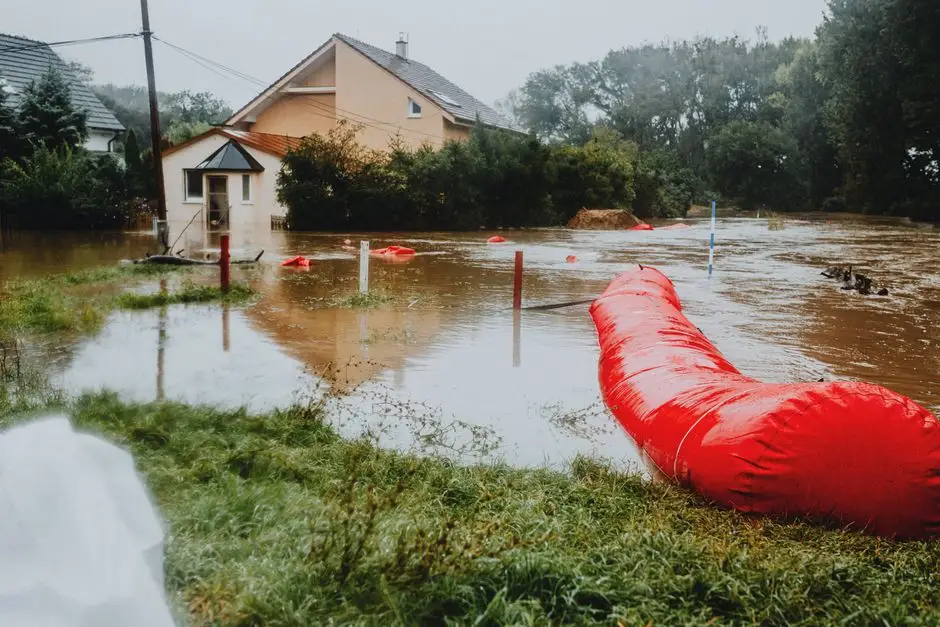
Basement Water Extraction
View Details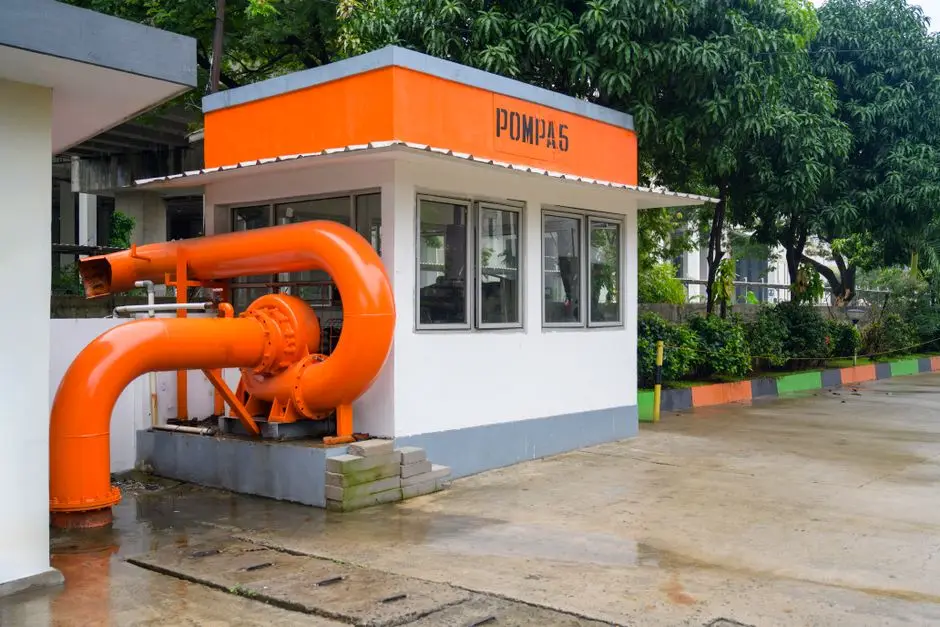
Basement Pump-Out Services
View Details
Basement Sewage Cleanup
View Details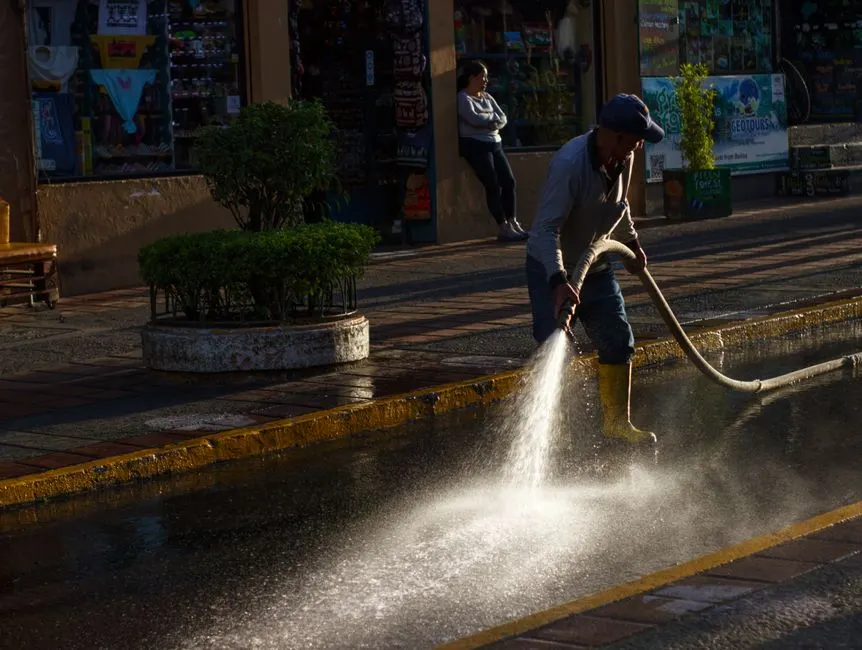
Basement Storm Water Cleanup
View Details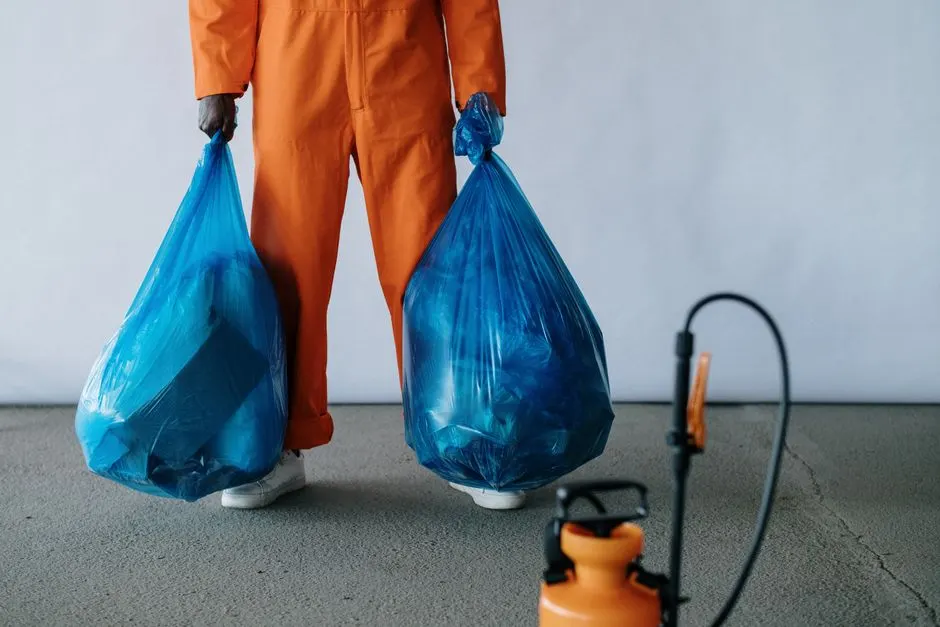
Basement Sump Pump Failure Cleanup
View Details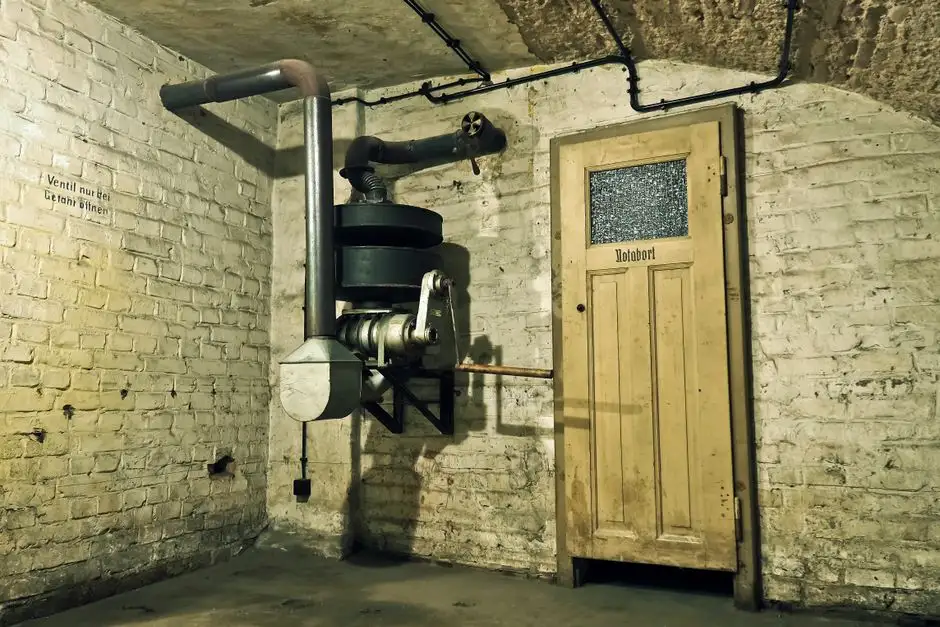
Basement Burst Pipe Cleanup
View Details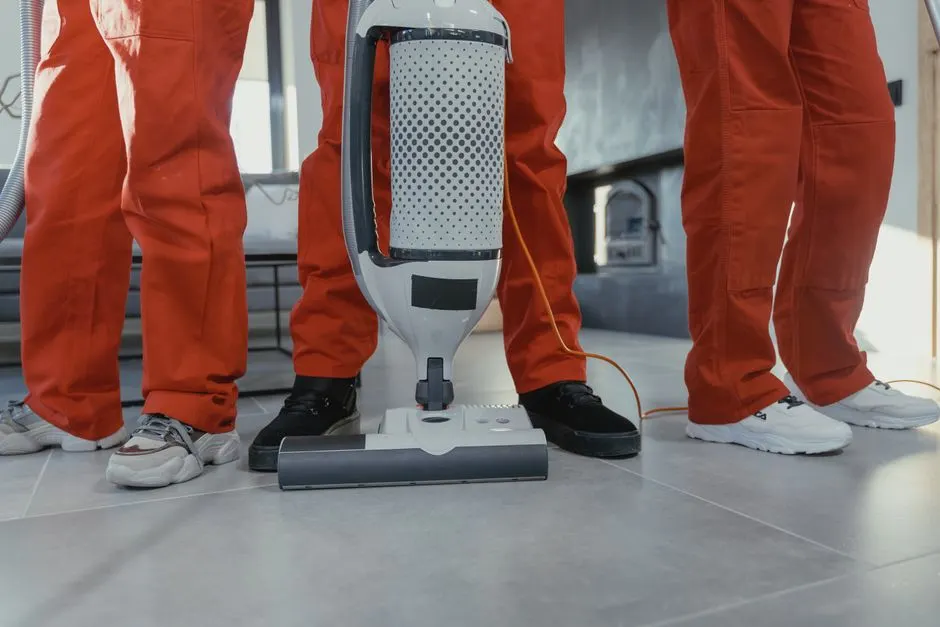
Basement Appliance Leak Cleanup
View Details
Basement Groundwater Intrusion Cleanup
View Details
BBB AccreditedEPA CertifiedAngi ProHomeAdvisorNATE CertifiedGoogle Verified
A Clearer Path to a Dry Basement
Basement Water Removal in Illinois requires more than pumping out the visible puddle; hidden moisture and contaminated water call for different handling. We connect you with independent crews who identify the source, extract water, and check the structure as drying proceeds. You get practical steps for the specific problem, whether a pipe split overnight or rain overwhelmed the sump.
-
Equipment Matched to Water Crews select equipment for the depth, water type, and room layout rather than relying on one machine. Air movers and commercial dehumidifiers support structural drying, while moisture meters track readings in affected areas. Thermal imaging cameras can help locate temperature patterns associated with concealed moisture, guiding where a closer inspection is needed.
-
Safety From First Entry A sewer backup calls for a different response than a clean supply-line leak. Crews use personal protective equipment where contamination is present and follow EPA-registered disinfectant label compliance. For structural drying, the ANSI/IICRC S500 Standard for Professional Water Damage Restoration provides a recognized reference for professional restoration work.
-
Sewer Cleanup Across Illinois Illinois Sewer Backup Water Cleanup addresses contaminated water, affected surfaces, and the damp materials left behind. We connect you with crews that separate extraction from cleaning and drying, so each step fits the condition of your basement. Tell us whether the backup came through a floor drain, toilet, or other fixture so the call is routed appropriately.

98%
Of our customers refer us within the first year.
How Basement Cleanup Works
Basement Water Removal in Illinois follows a practical sequence: understand the water source, clear standing water, then dry and check the affected structure. When you call, share the water depth, source, and any electrical or sewage concerns. The connected crew can prepare the right extraction equipment and explain what happens next.
01
Call and Describe
Tell us where the water is, how deep it is, and whether it looks or smells contaminated. If water is near electrical equipment, stay clear and say so on the call. We route your request to an independent company serving your part of Illinois.
02
Inspect and Extract
The crew identifies the likely source, checks immediate hazards, and selects pumps or extraction tools for the volume. Standing water is removed first, along with accessible debris. If a sewer backup is involved, the crew treats the area as contaminated and uses appropriate protective measures.
03
Dry and Measure
After extraction, the crew positions air movers and dehumidifiers to move moisture out of wet materials. Moisture meters help track readings in affected areas instead of relying on touch alone. Equipment placement and drying duration depend on the materials, water exposure, and room conditions.
04
Review the Results
Before wrapping up, the crew reviews the work completed and explains any areas that need further attention. You can ask what readings were taken and which materials remain damp. For continuing seepage, discuss the source and practical next steps alongside the cleanup.
Stop Basement Flooding Before It Spreads
A wet basement can damage stored belongings, finished walls, and the structure beneath your home. If you need to know how to choose a basement water removal company in Illinois, start by explaining the water source and asking how extraction, contamination handling, and drying will be addressed. We connect you with crews prepared to respond to the problem you describe.
01
Heavy rain overwhelms a sump pit in Chicago-area clay soil
(Our Fix)Crews pump out standing water and inspect the sump pit and discharge route for the immediate cause of the overflow. Illinois storms can saturate soil quickly, particularly around foundations with limited drainage. The team measures affected materials and sets drying equipment after the water level is under control.
02
Frozen basement pipe splits during a northern Illinois cold snap
(Our Fix)Once the water supply is shut off, the crew extracts water around the pipe and checks adjacent walls, flooring, and stored contents. Cold snaps can leave water trapped in concealed areas, so moisture readings help define the drying footprint. Ask about affordable Basement Water Removal Illinois options for the actual affected area.
03
Sewer backup leaves contaminated water around a floor drain
(Our Fix)Crews treat sewage as contaminated, remove standing water, and clean affected surfaces with appropriate disinfectants. They use personal protective equipment and follow product label directions. Illinois Sewer Backup Water Cleanup also considers porous materials that absorbed sewage and the drying needed after contaminated materials are addressed.
04
Spring thaw pushes groundwater through foundation cracks
(Our Fix)After snowmelt or repeated rain, groundwater can enter at floor joints and foundation cracks. Crews remove pooled water and map moisture in nearby materials, then use drying equipment to limit prolonged dampness. The location of entry and soil conditions guide the cleanup plan; the work focuses on the water already inside.
Service Coverage Across Illinois
We connect customers with independent water-removal companies across Illinois, from the Chicago metropolitan area and collar communities to northern, central, and southern parts of the state. Winter freezes, spring thaw, summer storms, and varied soil conditions create different basement risks from Rockford to Belleville. For Sewer Backup Water Cleanup near me, share your city and the type of water involved so we can direct your request to a serving company.
- Illinois
- Illinois
- Illinois
- Illinois
- Illinois
- Illinois
- Illinois
- Illinois
- Illinois
- Illinois
- Illinois
- Illinois
- Illinois
- Illinois
- Illinois
- Illinois
- Illinois
- Illinois
- Illinois
- Illinois
- Illinois
- Illinois
- Illinois
- Illinois
- Illinois
- Illinois
- Illinois
- Illinois
- Illinois
- Illinois
- Illinois
- Illinois
- Illinois
- Illinois
- Illinois
- Illinois
- Illinois
- Illinois
- Illinois
- Illinois
- Illinois
- Illinois
- Illinois
- Illinois
- Illinois
- Illinois
- Illinois
- Illinois
- Illinois
- Illinois
Illinois Basement Water Removal FAQs
These answers cover common questions about timing, costs, and cleanup choices for flooded basements across Illinois. The water source and affected materials shape the work, so describe what you see when you call. For sewage or water near electrical equipment, keep people away from the affected area and report the hazard immediately.
How much does basement water removal cost in Illinois?
Small clean-water extraction jobs often cost $300-$900, while larger drying projects run about $1,000-$3,500 and contaminated-water restoration can reach $2,500-$8,000 or more. Typical 2026 pricing in Illinois depends on water depth, affected materials, contamination, and equipment time. We connect you with a company that can assess the actual loss and explain upfront pricing before work proceeds.
How do I find basement water removal near me in Illinois?
Call +1 866-896-8166 and give your city, water source, and approximate depth so we can direct your request to a company serving that area. Illinois Basement Water Removal calls cover communities from Chicago and Aurora to Peoria and Belleville. Mention sewage, electrical hazards, or an active leak right away; those details help the responding crew prepare appropriate equipment.
Who offers 24/7 emergency basement water removal in Illinois?
Independent companies in our referral network take emergency calls around the clock, including overnight pipe breaks and sump pump failures. Ask for emergency Basement Water Removal in Illinois and explain whether water is still entering the basement. If the water is near electrical equipment, do not enter the area; tell the company so the crew can account for the hazard.
How do I choose a Sewer Backup Water Cleanup company in Illinois?
Choose a company that treats sewage as contaminated, uses appropriate protective equipment, and explains extraction, disinfection, and drying. Ask how the crew will address porous materials and what disinfectant label directions apply. Sewer Backup Water Cleanup in Illinois should be handled separately from a clean-water leak because exposure risks and cleanup steps differ.
How quickly should sewer backup water be cleaned up?
Start cleanup as soon as it is safe, ideally within 24 hours, because contaminated water and damp materials create exposure and damage concerns. Keep people and pets out of the affected area, avoid contact with the water, and report any electrical hazards. A crew can remove standing water, clean appropriate surfaces, and assess materials that absorbed sewage.
Get Basement Water Removal Moving
Standing water spreads into flooring, stored belongings, and wall materials the longer it remains. Call Illinois Basement Water Removal Pros to describe the problem and connect with an independent company serving your area. Crews follow applicable safety practices and use equipment suited to the water and affected space.
Contact Our Referral Team
Call +1 866-896-8166 any time to report basement flooding, a sump pump failure, or a sewer backup in Illinois. Tell us your city, whether water is still entering, and if the water may be contaminated. We route your request to an independent company serving your area so you can discuss the next steps directly.
Illinois Basement Water Removal Pros
-
Phone
+18668968166 -
Address
Illinois
-
Hours
Mon–Fri: 7AM – 7PM
Sat: 8AM – 4PM
Sun: Emergency Only
24/7 Emergency Available