
Logo
Get Estimate

Basement Water Extraction in Illinois

Get standing water out before damage spreads


Basement Water Extraction in Illinois gets standing water out of homes and buildings after storms, pipe breaks, sump pump failures, or appliance leaks. We help Illinois property owners who need a flooded basement cleared before wet drywall, flooring, and stored belongings deteriorate. Our crew locates the water source, pumps and vacuums accessible water, then checks moisture so you know what needs drying next.

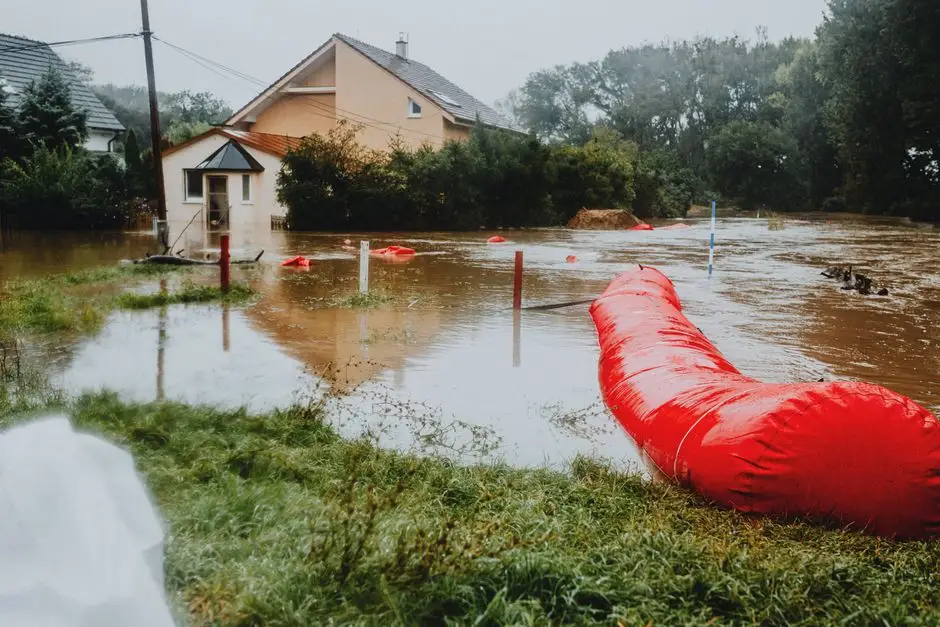
Flooded residential area protected by red flood barriers, showing severe weather impact.
Licensed Licensed & Bonded
Fully Insured Insured & Bonded
24/7 Emergency Same-Day Response
Warranty Backed Workmanship Guaranteed

What Basement Water Extraction Includes

Basement Water Extraction covers an initial assessment, removal of accessible standing water, and checks of visibly affected materials. We select pumps or vacuums for the conditions and identify where drying equipment is useful. Cleaning contaminated water, repairing a pipe or sump pump, removing damaged building materials, and reconstruction are separate work stages; we explain when one is needed so you can plan the next step.

Water Source Assessment

We ask how the flooding started, check active inflow, and distinguish a supply leak from stormwater or a drain backup. That information affects equipment, safety measures, and the cleanup sequence. You can point out the first wet area and any appliances or drains involved.
Standing Water Removal

We pump or vacuum accessible water from the floor, then use extraction tools to reach edges and low spots. Equipment selection depends on depth, room access, and water condition. This stage removes bulk water but does not by itself confirm that hidden materials have dried.

Affected Material Checks

We inspect accessible flooring, lower walls, and nearby contents, then use moisture readings to identify areas that remain wet. You receive a practical explanation of the affected zone and drying priorities. Opening concealed assemblies or replacing damaged finishes is handled as a separate restoration decision.

Drying Equipment Guidance

Where conditions call for it, we position air movers and dehumidifiers to support drying after extraction. We explain equipment placement and what to keep clear, then use follow-up readings to assess progress. Drying duration depends on saturation, material type, and room conditions.

Basement Water Extraction in Illinois: The Work


Basement Water Extraction in Illinois is a water damage response service that removes standing water from below-grade spaces after flooding, leaks, or drainage failures. We identify the source when accessible, protect unaffected areas, and use pumps or extraction equipment suited to the water depth and floor surface. After bulk water is removed, moisture meters help us assess floors and lower walls; drying equipment is positioned where readings and airflow call for it. Removing visible water is the first stage, not proof that concealed materials are dry.

Illinois homes face spring thaw, heavy rain, freeze-thaw cycles, sewer backup, groundwater intrusion, burst water pipes, and sump pump failure. Older masonry basements, finished lower levels, and storage rooms respond differently, so we adjust the approach to the materials and water source. Our Illinois basement water extraction response includes identifying whether water is clean, gray, or contaminated before handling it. If you are searching for standing water removal from a flooded basement Illinois property, tell us how deep the water is and whether a drain or sewage line is involved.

What Happens During Extraction

Basement Water Extraction in Illinois follows a deliberate sequence so water removal does not create avoidable hazards or hide remaining moisture. We explain what we are doing as we work, keep access routes clear, and separate extraction from any repair or reconstruction. You will see the immediate water removal first, followed by checks that guide the next phase.

01

Schedule

Call or book online — a real human picks up and confirms a 2-hour arrival window.

02

Diagnose

Licensed tech inspects on-site, then walks you through the cause and your options.

03

Fix

The job is completed to code and done right the first time — no shortcuts, no surprises.

04

Guarantee

Every job backed by a written workmanship warranty — and we stand behind it.

Extraction Tools and Methods

Tools & Equipment

Submersible sump pumps

We use these pumps to lower deeper standing water quickly when the basement floor and discharge route allow safe setup. Pump selection reflects water depth and debris.

Truck-mounted water extraction units

High-capacity extraction helps remove substantial water through routed hoses when site access permits. We use it for suitable larger losses, then finish low spots with smaller tools.

Portable wet/dry vacuums

These units handle shallower water and detail work around thresholds, floor edges, and equipment. They are useful where a large pump cannot reach or would be excessive.

Moisture meters

Meters help us compare readings across affected floors and lower walls, revealing damp areas that a visual inspection can miss. We use readings to guide drying checks.

Air movers and dehumidifiers

After extraction, directed airflow and moisture removal support drying of affected materials. We position equipment based on room layout and readings, then monitor progress.

Methods & Standards

Water category assessment

We consider the likely source before selecting removal and cleaning procedures. Supply-line water, stormwater, and sewage differ in contamination risk. This decision affects protective equipment, what can be cleaned, and whether surfaces need disinfectants after bulk water is removed.

ANSI/IICRC S500-guided workflow

We use the ANSI/IICRC S500 Standard for Professional Water Damage Restoration as a reference for assessment, extraction, and drying decisions. We document affected areas, choose methods suitable for materials, and check moisture rather than assuming a single pump-out completes the restoration.

Targeted moisture monitoring

We take readings in affected materials and revisit priority locations as drying proceeds. Results guide equipment placement and help identify whether a damp area is improving. If concealed materials cannot be assessed from the surface, we explain the access needed before conclusions are made.

When to Request Extraction

01

Spring thaw raises groundwater and water begins seeping through a basement floor joint.

What we do: We inspect the affected area, identify pooled water, and set up pumping or vacuum extraction for the depth present. After removal, we check nearby wall bases and flooring for retained moisture. If water continues entering, we note the active source so drainage or foundation work can be considered alongside drying.

→ You regain access to the floor sooner and have a clear account of where moisture remains, rather than relying on surface appearance alone.

02

A sump pump fails during an overnight storm and several inches collect around stored items.

What we do: We assess safe entry and water depth, then use a submersible pump to remove the bulk water. We finish accessible edges with a vacuum or wand, check affected contents, and identify the pump failure. You can arrange equipment repair while the basement is dried.

→ The water level drops, wet areas are identified, and you can separate salvageable belongings from items that took on contaminated or prolonged moisture.

03

A supply pipe bursts in a finished basement while the household is away.

What we do: Once the water supply is shut off, we extract pooled water and check the floor perimeter, lower drywall, and nearby rooms. Moisture readings help identify whether water traveled behind trim or under flooring. We coordinate the extraction findings with the plumbing repair so the source and resulting damage are both addressed.

→ You get a defined affected area and a drying plan, reducing the chance that wet materials are overlooked behind an apparently dry surface.

How Extraction Works Across Illinois

Basement water removal extraction in Illinois has to account for changing ground and weather conditions across the state. November brings freeze-thaw concerns and early winter pipe risks; spring rain and snowmelt can saturate soil, while summer storms can overwhelm window wells and drainage. In older homes, stone or masonry foundations and finished basements often need different inspection choices than newer poured-concrete construction. We ask whether the water came from groundwater, a sump discharge, a supply pipe, or a sewer line before choosing an extraction method. For rapid floodwater extraction for Illinois basements, access matters too: narrow stairs, long hose runs, parked vehicles, and shared building entrances affect equipment setup. We route hoses carefully, keep paths usable, and avoid unsafe electrical areas. Where cleaning agents are used, we follow label directions and appropriate handling practices; contaminated losses require more than a standard pump-out. Local plumbing, drainage, and building requirements vary by municipality, so repairs to a failed line or drainage system should follow the applicable local code. Our work focuses on removing water and identifying the next restoration need.

Neighborhoods We Serve

  • Downtown Naperville

    Finished lower levels and compact access routes call for careful hose placement. We protect stair edges and check flooring transitions where water can travel beyond the visible pool.

  • Schaumburg residential areas

    Basements with storage rooms and finished spaces need separate checks after a sump failure. We identify which areas took water before positioning drying equipment.

  • Mount Prospect neighborhoods

    Older and updated homes can have different foundation and flooring assemblies. We assess the specific materials instead of assuming one drying setup fits every basement.

  • Elmhurst near older housing

    Masonry foundations and lower-level renovations can hide dampness behind trim. We check accessible wall bases and explain when further inspection is needed.

Local Conditions We Plan For

  • Freeze-thaw cycles stress discharge lines and basement plumbing

    A frozen or obstructed line can prevent a sump pump from moving water away, while a burst pipe can release water indoors. We check the reported source and remove collected water once the area is safe.

  • Spring rain and saturated soil increase foundation seepage

    Water may enter at floor joints, window wells, or foundation openings and continue after the first pool is removed. We note ongoing inflow and distinguish extraction from the drainage repair needed to prevent repeat entry.

  • Summer storms can overwhelm drains and sump systems

    Rapid runoff can produce deeper water and bring soil or debris into a basement. We select equipment for the volume and water condition, then assess whether contaminated cleanup is needed.

Sump Failure After Heavy Rain

Before

A failed sump pump left about 3 inches of water across a 450-square-foot basement. Cardboard boxes, a rug, and the lower edges of stored items were wet. The water was still near the utility area, so the owner avoided entering until the electrical risk and source could be checked.

After

We pumped down the standing water, vacuumed remaining pools along the perimeter, and checked the floor and wall bases. Bulk extraction took about four hours. Moisture readings identified two damp zones for continued drying, and the owner had a clear list of affected contents and the pump issue to repair.

Maintenance: Test the sump pump by adding water to its pit and confirming that it activates and discharges. Check the outlet for blockage before forecast heavy rain, and keep stored items on shelving rather than directly on the floor.

Before

A slow water-heater leak spread across roughly 120 square feet of finished basement flooring before it was noticed. The visible puddle was shallow, but water had reached the doorway and the base of a nearby wall. A towel cleanup removed surface water without showing how far dampness had traveled.

After

We used a portable wet/dry vacuum and extraction wand to clear the floor, then checked the doorway and wall base with moisture readings. Extraction took about two hours. The affected edge was identified for airflow, and the leak source was clearly separated from the drying work.

Maintenance: Look beneath the water heater and nearby appliance connections each month for fresh moisture or corrosion. Keep the area accessible so a small leak is visible, and arrange repair as soon as the source is found.

Before

After several hours of rain, water seeped through a floor joint and formed a 1-inch-deep pool in a 200-square-foot storage area. Soil tracked in with the water, and plastic bins sat directly on the floor. The inflow slowed, but dampness remained around the joint.

After

We extracted the pooled water and debris, then checked the floor edge and nearby stored items. The water removal took about three hours. We explained that extraction cleared the immediate pool while the entry point and exterior drainage needed attention to reduce recurrence.

Maintenance: Inspect window wells and visible downspout discharge paths before spring rain. Keep basement storage raised off the floor and note recurring seepage locations, so you can distinguish a new flood from a familiar entry point.

Problems Solved by Water Extraction

Standing water creates immediate access problems and keeps materials wet after the original leak or storm has passed. Basement water extraction near me in Illinois searches often follow a failed pump, pipe break, or flooded floor drain. We identify the water source, remove what has collected, and focus the next steps on the materials that took on moisture.

Problem

Several inches of water cover the basement after a sump pump stops

Water can spread into storage and finished rooms, soaking cardboard, carpet, and lower drywall. Continued inflow makes cleanup harder and can affect electrical equipment.

Our Fix

We assess water depth and safe access, then use a submersible sump pump or other suitable equipment to lower the water level. After bulk removal, we check the room perimeter and wet materials. We also identify the pump failure as the source issue so you can arrange repair or replacement.

Problem

A floor drain backs up with foul-smelling water

Wastewater can contaminate floors and belongings, while ordinary household cleanup may spread residue to clean areas. Odor can remain after the visible water is gone.

Our Fix

We treat suspected sewage backup as contaminated water, control access, and use appropriate personal protective equipment during removal. After extraction, affected surfaces need suitable cleaning and disinfection. We explain which contents and materials require further attention rather than treating a sewage loss like a clean pipe leak.

Problem

A burst water pipe leaves water beneath finished flooring

Water can travel past the visible puddle into underlayment and wall bases. Hidden moisture may lead to swelling, material breakdown, or mold growth if it remains.

Our Fix

We remove accessible water, trace the visible spread, and take moisture readings around flooring edges and lower walls. If readings indicate moisture beyond the surface, we explain the drying or access needed. You can coordinate pipe repair while we address the water that has already entered the basement.

What Prompt Extraction Changes

What Prompt Extraction Changes

Getting water out promptly reduces the time floors, stored items, and lower wall sections remain saturated. We focus on measurable progress: water removed, materials assessed, and drying started where appropriate. The right sequence matters. Pumping contaminated water without protection or leaving wet cavities unchecked can create a second problem after the visible puddles are gone.

  • Less Water, Less Delay

    Our crew selects pumps and vacuums based on water depth, access, and debris, then removes standing water before moving to detailed extraction. A shallow appliance leak and a flooded basement after a failed sump pump need different setups. Clearing the water first helps you regain access to stairs, utilities, and stored belongings sooner.

  • Earlier Moisture Readings

    Once bulk water is out, we check affected surfaces with moisture meters and map areas that still need attention. You get a clearer picture than a visual check alone can provide. Readings also guide placement of air movers and commercial dehumidifiers, rather than relying on guesswork or running equipment without a target.

  • Safer Contamination Decisions

    Sewer backup and stormwater can carry contaminants that ordinary household cleanup will not address. We identify the likely source, use personal protective equipment when conditions require it, and separate affected materials from clean areas. For contaminated water, controlled removal and appropriate cleaning are more important than simply making the floor look dry.

  • A Clear Next Step

    Extraction gives you a practical point to plan from: the standing water is removed, affected areas are identified, and drying needs are documented. If a pump failed or a pipe burst, we also note the source-related issue so you can arrange repair. That reduces confusion between water removal, structural drying, and any later rebuilding.

Training and Work Standards

Licensed & Certified

  • Water Damage Restoration Technician — issued by Institute of Inspection, Cleaning and Restoration Certification
  • Applied Structural Drying — issued by Institute of Inspection, Cleaning and Restoration Certification
  • Applied Microbial Remediation Technician — issued by Institute of Inspection, Cleaning and Restoration Certification
  • OSHA Hazard Communication Standard — issued by Occupational Safety and Health Administration

Verified Reviews

Google ★★★★★4.8

A homeowner described a basement pump-out after a storm, with standing water removed and damp wall edges identified for drying. The crew explained the readings and kept the access path clear while equipment was running.

Yelp ★★★★★4.7

A customer reported a water-heater leak in a finished basement. Extraction cleared the puddle, and the team checked the nearby doorway and flooring rather than stopping at the visible wet area.

BBB ★★★★★4.8

A review noted a sump pump failure and a flooded storage room. The crew removed pooled water, identified affected belongings, and explained what needed drying after the pump-out.

Field Knowledge That Matters

Basement flooding is not one uniform job. We adapt the work to water category, building materials, depth, and the cause of the loss, using established restoration practices rather than a one-size-fits-all pump-out. Our technicians apply IICRC Water Damage Restoration Technician principles and follow the ANSI/IICRC S500 Standard for Professional Water Damage Restoration as a framework for inspection, extraction, and drying. We also use OSHA Hazard Communication Standard practices when handling cleaning products. You get a practical explanation of what we found and what comes next.

  • We distinguish clean supply-line water from stormwater or sewer backup before choosing extraction and protective measures.
  • Moisture readings help us track wet flooring and wall bases instead of relying on touch or appearance alone.
  • We plan hose routing and equipment placement to protect stairways, finished surfaces, and clear routes through your home.
  • Our team uses IICRC Water Damage Restoration Technician training principles for water categorization and drying decisions.
  • When microbial contamination is a concern, we use appropriate protective procedures and refer to IICRC Applied Microbial Remediation Technician practices.
Get Started Today
Field Knowledge That Matters

Frequently Asked Questions

Real answers to the questions we hear most often from local homeowners and property managers.

How is water extracted from a flooded basement in Illinois?
We assess the water source and hazards, then pump or vacuum standing water with equipment suited to its depth and volume. A small, accessible room may take one to three hours to clear; larger or contaminated losses take longer. After extraction, we check affected materials with moisture meters and place drying equipment where readings show it is needed. Sewer backup requires protective handling and cleaning beyond ordinary water removal.
How long does basement water extraction take?
A straightforward basement pump-out often takes two to six hours, while extensive flooding can take a full day or longer. Water depth, room count, debris, access, and whether water is still entering all affect the extraction time. Structural drying is a separate phase and often continues for several days. We explain the immediate removal estimate after assessing your basement rather than treating every flood as the same job.
What equipment is used for basement water removal extraction?
We use submersible sump pumps for deeper water, truck-mounted water extraction units when access and volume suit them, and portable wet/dry vacuums for smaller areas or finishing work. Water extraction wands reach edges and low spots. After pumping, air movers and commercial dehumidifiers support drying, while moisture meters help track progress. The water source and any contamination determine protective equipment and cleaning methods.
Can water extraction prevent further basement damage?
Prompt extraction reduces the time water remains against flooring, stored items, and lower walls, but it cannot guarantee that all damage is prevented. Hidden moisture can remain in carpet backing, insulation, or subfloors after visible water is gone. We check accessible materials and use readings to guide drying. If the source is an active leak, sump failure, or sewer backup, that cause must also be controlled.

Related Services

Emergency Basement Water Removal

When water is actively entering your basement, emergency response pairs immediate extraction with source assessment. We work to reduce standing water first, then identify whether a pipe, sump pump, or drain issue is feeding the loss so you can address the cause.

View Emergency Basement Water Removal

Basement Flood Cleanup

Extraction removes bulk water; flood cleanup handles the wet and soiled surfaces left behind. We assess affected materials, remove residue where appropriate, and identify areas that need drying. That distinction matters after stormwater or a basement drain overflow.

View Basement Flood Cleanup

Basement Pump-Out Services

A pump-out is suited to deeper standing water that a portable vacuum cannot clear efficiently. We select pump capacity and hose routing for the basement layout, then finish accessible low spots with extraction equipment and check for remaining moisture.

View Basement Pump-Out Services

Basement Sewage Cleanup

Sewage water needs controlled handling, protective equipment, and appropriate cleaning after extraction. We separate contaminated areas from unaffected rooms and address the water before residue spreads. This is the right companion service when a sewer backup brings wastewater into the basement.

View Basement Sewage Cleanup

Basement Storm Water Cleanup

Stormwater can carry soil and debris through window wells, foundation openings, or floor drains. We extract pooled water, identify affected surfaces, and plan cleanup and drying around the source. For recurring seepage, the entry point should also be evaluated.

View Basement Storm Water Cleanup

Basement Sump Pump Failure Cleanup

A failed sump pump can let groundwater rise quickly, especially during heavy rain or thaw. We pump out the basement, check how far water spread, and document wet materials. You can then arrange pump repair or replacement before the next high-water event.

View Basement Sump Pump Failure Cleanup

Call for Basement Water Extraction in Illinois

Standing water keeps soaking materials until it is removed. Our team uses trained technicians and moisture checks to guide the work. Call +18668968166 now and tell us where the water is, how deep it is, and what caused the flooding.

Call Now Call for Help

Contact Our Referral Team

Call +1 866-896-8166 any time to report basement flooding, a sump pump failure, or a sewer backup in Illinois. Tell us your city, whether water is still entering, and if the water may be contaminated. We route your request to an independent company serving your area so you can discuss the next steps directly.

Or call us right now at +18668968166 — we answer.

Illinois Basement Water Removal Pros


  • Phone

    +18668968166
  • Address

    Illinois

  • Hours

    Mon–Fri: 7AM – 7PM
    Sat: 8AM – 4PM
    Sun: Emergency Only
    24/7 Emergency Available

Call +18668968166 Get Quote
Call Quote