
Logo
Get Estimate

Basement Sump Pump Failure Cleanup in Illinois

We remove flooded water and protect your basement


Basement Sump Pump Failure Cleanup in Illinois gets standing water out of your home and starts targeted drying after a pump stops, loses power, or cannot keep up with groundwater. If you are facing a flooded basement, our team identifies the water source, extracts water, and checks affected materials before moisture spreads. We also provide failed sump pump water cleanup in Illinois, from emergency pump-outs to drying and sanitation.

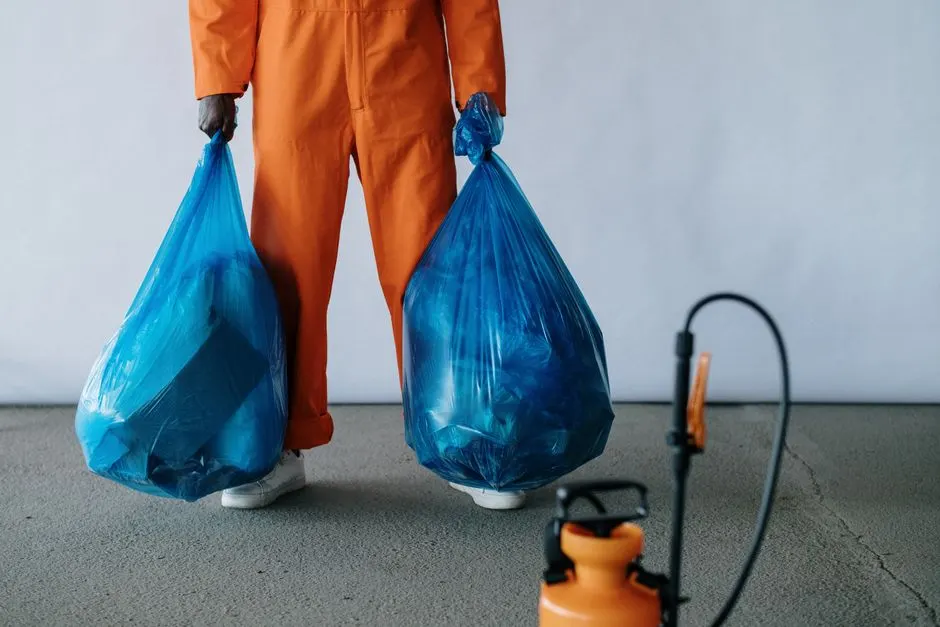
Sanitation worker in orange overalls holding blue trash bags indoors for waste management.
Licensed Licensed & Bonded
Fully Insured Insured & Bonded
24/7 Emergency Same-Day Response
Warranty Backed Workmanship Guaranteed

What Sump Failure Cleanup Includes

Our service covers assessment, water extraction, cleaning of affected surfaces, and drying checks for areas reached by the overflow. We identify whether the water appears to be groundwater or may involve a drain or sewage source, then choose appropriate protective measures. Pump replacement, electrical repair, and foundation work are handled by the relevant trade; we can identify concerns that need those repairs while focusing on water damage.

Water Source Assessment

We inspect the sump pit, accessible pump components, nearby drains, and the water's path through the basement. The assessment helps distinguish groundwater from possible sewer backup and identifies areas needing immediate attention. We document visible conditions before extraction changes the scene.
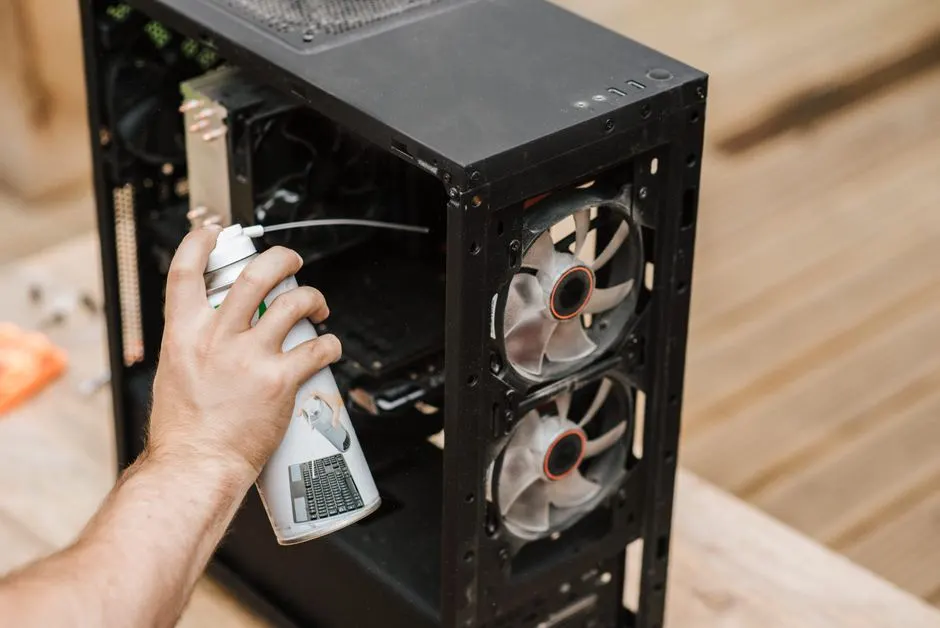
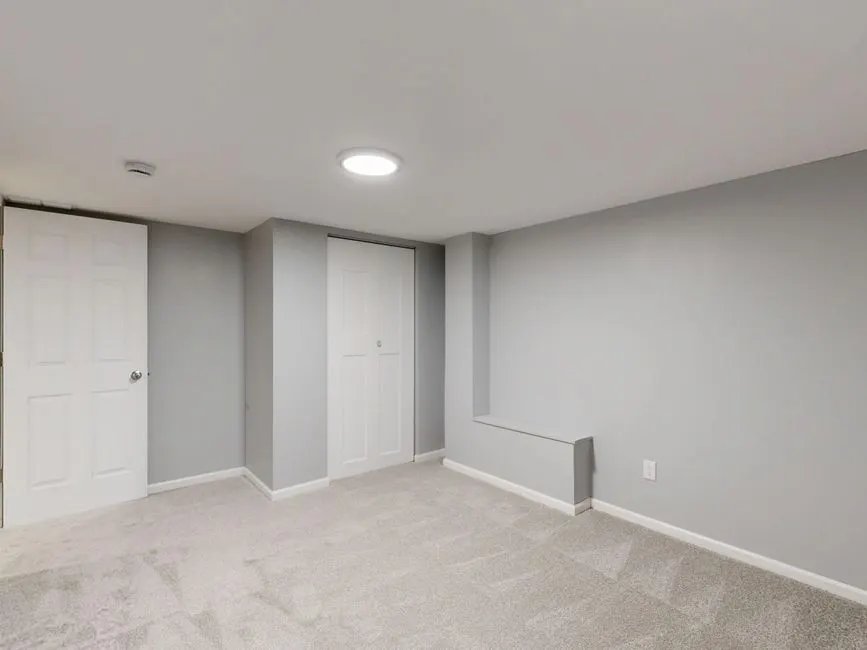
Standing Water Extraction

We remove pooled water from floors and accessible low points using equipment matched to the water volume and entry route. Wands and portable vacuums help reach tight edges after larger equipment handles open areas. We take care around electrical hazards and stored items.

Surface Cleaning

We clean affected hard surfaces and use appropriate disinfectants or antimicrobial cleaning agents where the water category calls for them. The selected approach depends on contamination and material condition. Porous items that remain saturated are evaluated separately from washable surfaces.

Drying Equipment Setup

We position air movers and commercial dehumidifiers to promote drying in affected areas. Equipment placement reflects material readings, room layout, and access to power. You receive clear instructions on keeping air paths open and reporting any equipment issue.

Moisture Monitoring

We take moisture readings during follow-up checks to track progress in flooring, wall bases, and other affected materials. If readings remain elevated, we adjust equipment or discuss further inspection. The goal is a documented drying outcome, not simply a dry-looking floor.

Basement Sump Pump Failure Cleanup in Illinois


Basement Sump Pump Failure Cleanup in Illinois is a water-damage restoration service that removes water and dries basement materials after a sump pump stops controlling groundwater. We inspect the sump pit, identify how far water reached, and choose extraction equipment suited to the depth and floor layout. A truck-mounted water extraction unit can move large volumes quickly; portable wet/dry vacuums and water extraction wands reach stairs, corners, and narrow utility areas. We then measure moisture in flooring, wall bases, and framing so drying decisions follow conditions rather than guesswork.

Illinois homes face basement flooding after spring thaw, heavy rain, stormwater seepage, and power interruptions during winter storms. Older foundations, finished lower levels, and high groundwater can change how far water travels and which materials need removal. If you need emergency cleanup after basement sump pump failure in Illinois, we first separate clean groundwater from possible sewer backup or other contaminated floodwater. Our team documents affected areas, explains the work, and starts extraction and drying so moisture damage and mold growth are less likely.

What Happens During Cleanup

Basement Sump Pump Failure Cleanup in Illinois follows a practical sequence: assess the water, extract it, clean affected surfaces, and monitor drying. We explain each step as we work, protect unaffected areas where practical, and keep you informed about access, equipment noise, and the next inspection.

01

Schedule

Call or book online — a real human picks up and confirms a 2-hour arrival window.

02

Diagnose

Licensed tech inspects on-site, then walks you through the cause and your options.

03

Fix

The job is completed to code and done right the first time — no shortcuts, no surprises.

04

Guarantee

Every job backed by a written workmanship warranty — and we stand behind it.

Equipment and Drying Methods

Tools & Equipment

Truck-mounted water extraction units

These units remove substantial volumes of standing water from accessible basement floors. We use them where entry and hose routing allow, then switch to smaller tools for corners, stairs, and tight utility spaces.

Portable wet/dry vacuums

Portable vacuums reach areas where a truck-mounted hose or larger extraction tool cannot work efficiently. They help remove residual water near walls, around equipment, and in compact rooms.

Moisture meters

Meters measure moisture in accessible building materials and help us compare affected areas with drier reference points. Readings guide drying equipment placement and follow-up decisions.

Air movers and commercial dehumidifiers

We use air movers to circulate air across wet surfaces and dehumidifiers to collect moisture from the room. Placement and operating duration respond to material readings and basement conditions.

XPOWER and Dri-Eaz equipment

XPOWER and Dri-Eaz equipment can support controlled air movement and drying. We select equipment by the room layout, water impact, and readings rather than relying on brand alone.

Methods & Standards

ANSI/IICRC S500 restoration approach

We use the ANSI/IICRC S500 Standard for Professional Water Damage Restoration to guide assessment, water removal, cleaning, and structural drying decisions. The standard supports a documented process: evaluate conditions, select appropriate methods, and verify progress with measurements. It does not replace judgment about the specific water source or building materials.

Moisture mapping and verification

We record where water traveled and check affected materials at practical intervals during the job. Moisture meters and visual inspection help identify wet edges, concealed concerns, and areas ready for equipment removal. This prevents a dry-looking surface from being treated as proof that the entire assembly is dry.

Water-category-based cleaning

We consider the source and condition of the water before selecting cleaning agents or protective measures. Groundwater, stormwater, and sewage-related water present different concerns. EPA-registered disinfectant label compliance matters when disinfectants are used, and our team follows product instructions and appropriate protective practices.

When to Call for Cleanup

01

A winter power interruption stops the sump pump while melting snow and groundwater begin entering the basement.

What we do: We assess the water level, check for electrical hazards, and extract standing water once the area is safe to enter. Our crew checks the sump basin and affected floor and wall materials, then sets drying equipment based on readings. You should arrange a qualified pump or electrical repair separately if the failure source remains active.

→ Water is removed and drying begins with affected materials identified, reducing the chance that hidden moisture goes unchecked after the visible puddle disappears.

02

Heavy spring rain overwhelms the pump, and water crosses a finished basement before the discharge line clears.

What we do: We map the water's path, remove pooled water, and check flooring, baseboards, and stored contents. If the water appears contaminated, we change the cleaning approach and restrict access as needed. We also note signs of stormwater seepage that could explain why the system could not keep up.

→ You get a cleaner floor, a drying plan tied to actual moisture readings, and a clearer picture of where stormwater entered.

03

A sump alarm sounds overnight, and you find several inches of water around the pit and laundry equipment.

What we do: We check the depth, access, and safety conditions before choosing extraction equipment. After removing standing water, we inspect around appliances and utility penetrations for trapped moisture. We clean affected hard surfaces and monitor drying so water behind or beneath equipment does not remain unnoticed.

→ The laundry area is cleared of standing water, affected materials are tracked, and you know which pump or appliance issue needs a separate repair.

04

The pump runs but the pit keeps overflowing during a storm, with a possible blocked check valve or discharge route.

What we do: We focus cleanup on the overflow and affected basement materials while checking accessible pump components and the discharge path for visible issues. We do not substitute cleanup for plumbing repair. Once water is extracted, we set drying equipment and tell you what should be checked by a pump technician.

→ The water damage is addressed while the suspected mechanical cause is identified for follow-up, helping reduce the chance of another overflow.

How Cleanup Works Across Illinois

Illinois basements face spring groundwater pressure, summer downpours, and winter freeze-thaw cycles that can stress sump systems and discharge lines. In older homes, stone or masonry foundations and unfinished utility rooms may behave differently from newer finished basements with carpet, drywall, and built-in storage. We adapt extraction access and drying placement to the actual construction. In Springfield and Decatur, we commonly plan around broad floor areas and utility rooms; in Crystal Lake and Wheeling, finished lower levels and stored contents can add detail to the assessment. Failed sump pump water cleanup in Illinois begins by identifying whether water came from groundwater, stormwater, or a drain. For failed sump pump water extraction for Illinois homes, we measure affected materials, extract standing water, and follow drying progress instead of assuming every basement needs the same equipment. Local plumbing and electrical requirements apply to pump repairs; our cleanup work does not replace code-compliant repairs by the appropriate trade.

Neighborhoods We Serve

  • Springfield residential areas

    Basement layouts range from open utility rooms to finished living space. We check transitions between concrete floors and finished walls where water can collect unnoticed.

  • Decatur home blocks

    When a sump pit is near laundry or storage, our crew plans extraction access around appliances and floor-level belongings while checking the route water took.

  • Normal residential neighborhoods

    Finished basement rooms need careful checks at carpet edges, baseboards, and stair landings after water crosses the open floor.

  • Crystal Lake subdivisions

    We assess sump discharge and water entry alongside finished flooring, storage rooms, and utility areas to set a practical drying plan.

  • Wheeling homes and shared buildings

    Where basement spaces or utilities are shared, we identify affected boundaries and keep water removal focused on the areas reached by the overflow.

Local Conditions We Plan For

  • Spring thaw and heavy rain increase groundwater pressure

    A sump may run repeatedly during wet periods, and a failed switch or blocked discharge can lead to fast overflow. We check the water's route and start extraction before lingering moisture reaches more finished materials.

  • Winter freezing can obstruct an exterior discharge line

    When the discharge route cannot carry water away, the pump may cycle without controlling the pit level. We remove basement water and identify visible discharge concerns so you can arrange the right repair before the next freeze.

  • Older foundations and finished lower levels need different checks

    Masonry, concrete, carpet, and drywall absorb or retain moisture differently. We adjust meter checks and equipment placement to the materials present, then explain whether drying alone is sufficient or a material needs repair.

Overflow Across a Finished Room

Before

A failed sump left water across a finished basement floor, with damp carpet edges and wet baseboards. The floor looked shallow, but water had traveled beneath a storage shelf and into a corner beside the stairs. The homeowner could not tell whether the wall or carpet pad had retained moisture.

After

We extracted standing water, checked the carpet edge and wall base, and placed air movers with a dehumidifier. Follow-up readings over three days showed the exposed floor and accessible wall base trending dry. The homeowner received a clear list of materials that were dry and the areas needing repair.

Maintenance: Test the pump and alarm before the wet season, keep the discharge outlet clear, and avoid storing cardboard directly on the floor. Have a plumber check the pump and check valve if cycling or overflow returns.

Before

Water collected around a laundry area after the pump stopped, reaching appliance feet and stored supplies. The visible puddle was concentrated near the sump, but dampness extended along the wall behind the washer. There was concern that a drain backup might have contributed.

After

Our team checked for signs of drain involvement, removed pooled water, and cleaned the affected hard surface. Moisture readings guided equipment placement near the wall and appliances. A follow-up check confirmed the treated area had dried, while the homeowner arranged a separate inspection of the pump system.

Maintenance: Keep a clear path around the pit and appliances so an overflow is visible. Check the alarm and float operation regularly, and keep an eye on the discharge line after freezing weather or major storms.

Before

Heavy rainfall coincided with a pump failure, leaving stormwater and debris across an unfinished basement. Water reached stored items and a low corner near the foundation. The family needed to know whether the water was clean groundwater or required more cautious handling.

After

We assessed the source, removed standing water with extraction equipment, and cleaned affected hard surfaces using an approach suited to the observed conditions. Moisture checks identified two damp wall edges for continued drying. The basement was left without pooled water, with follow-up steps documented for the family.

Maintenance: Keep the sump pit free of debris, test the backup alarm, and inspect the discharge route after storms. Address recurring water entry with a qualified drainage or foundation professional rather than relying on cleanup alone.

Stop Sump Overflow Damage Early

A failed pump leaves more than a puddle: water can soak stored belongings, wick into wall bases, and remain beneath finished flooring. We remove water and check the affected materials so you can see what needs drying, cleaning, or repair. Acting early limits prolonged moisture exposure.

Problem

Standing water spreads from the sump across finished basement flooring

Water trapped beneath rugs or flooring can damage finishes and keep nearby wall bases damp long after the visible puddle is gone.

Our Fix

We extract open water first, then use moisture meters to check floor edges and wall bases. Our team sets air movers and dehumidifiers according to the readings, returning to verify progress. You receive a clear explanation of which materials dried and which need further repair.

Problem

Pump overflow reaches stored belongings and the utility area

Cardboard, fabrics, and items stored directly on the floor absorb water quickly, while appliances and electrical components create added safety concerns.

Our Fix

We identify affected contents and provide a safe work path before moving extraction equipment. Water is removed from around the sump and utility area, then surfaces are cleaned as appropriate. We flag electrical exposure for qualified repair rather than asking you to handle wet equipment.

Problem

A pump failure coincides with drain backup or contaminated floodwater

Potential sewage contamination changes how the area must be entered, cleaned, and dried, and ordinary household cleaning can spread contamination.

Our Fix

We inspect the water source and ask about drain symptoms before selecting cleaning measures. If sewage is suspected, our team restricts access, uses personal protective equipment, and treats affected materials according to their condition. We explain the next safe steps before work continues.

Problem

Hidden moisture remains after the basement floor looks dry

Moisture under trim, behind finishes, or at foundation joints can continue damaging materials and support mold growth if it remains unnoticed.

Our Fix

We check beyond the visible waterline with moisture meters and, where useful, thermal imaging cameras. Readings guide equipment placement and follow-up checks. If a cavity remains wet, we explain the location and the practical next step instead of relying on surface appearance.

A Drier, Safer Basement

A Drier, Safer Basement

A failed pump can leave water under stored belongings, flooring, and finished walls before the visible puddle looks serious. We focus on measurable results: removing standing water, identifying wet materials, and setting equipment where readings show it is needed. You get a clear sequence of work and practical next steps for the sump system.

  • Standing Water Removed

    We extract pooled water from open floor areas, low spots, and the sump pit, then use wands or vacuums along edges where larger equipment cannot reach. Removing water promptly reduces contact with stored items and building materials. For sump pump failure basement cleanup Illinois homeowners receive a response focused on the affected basement, not an unnecessary whole-house treatment.

  • Moisture Checked Precisely

    Moisture meters help us compare wet and dry areas in flooring, trim, and accessible wall materials. We record readings during drying instead of relying on touch or appearance. That matters because a concrete floor can look dry while water remains beneath a rug, at a wall joint, or around a utility penetration.

  • Contamination Addressed

    Water from a clean groundwater source is handled differently from sewage or other contamination. We ask about odors, drain backups, and water entry points, then select cleaning and protective measures appropriate to the category. If contaminated water is present, personal protective equipment and controlled disposal help protect occupants and workers.

  • Drying Aimed at Materials

    Air movers and commercial dehumidifiers are positioned to circulate air and remove moisture from affected materials. We monitor readings and adjust equipment rather than leaving it in place without checks. The goal is a documented drying result, with clear guidance on what can be cleaned and what requires removal.

Training and Work Standards

Licensed & Certified

  • Water Damage Restoration Technician — issued by Institute of Inspection, Cleaning and Restoration Certification
  • Applied Structural Drying — issued by Institute of Inspection, Cleaning and Restoration Certification
  • Applied Microbial Remediation Technician — issued by Institute of Inspection, Cleaning and Restoration Certification
  • OSHA Hazard Communication Standard — issued by Occupational Safety and Health Administration

Verified Reviews

Customer feedback Not stated

A homeowner described a sump failure that wet the basement floor and lower wall. The crew extracted water, explained the moisture readings, and checked the area again after drying equipment had run. The practical update helped the family distinguish cleanup from the separate pump repair.

Customer feedback Not stated

After stormwater entered a utility room, the homeowner appreciated that the crew checked for possible drain involvement before cleaning. Standing water was removed, damp areas were identified, and drying equipment was placed where readings showed it was needed.

Customer feedback Not stated

A family with water near laundry equipment said the team worked carefully around appliances and storage. The crew explained what could be cleaned, what needed drying, and why the sump discharge required separate attention.

Field Knowledge That Matters

Our team handles sump pump failures as both a water-removal problem and a building-moisture problem. We use IICRC Water Damage Restoration Technician practices and apply the ANSI/IICRC S500 Standard for Professional Water Damage Restoration when planning assessment, extraction, cleaning, and drying. The work starts with the water source and ends with verified material readings. We do not claim a fixed job count or tenure; instead, we explain what we find in your basement and show how each step addresses the conditions there.

  • We check the sump basin, pump operation, float movement, check valve, and discharge route so the source of overflow is understood.
  • Moisture meters and thermal imaging cameras help identify wet areas that are hidden behind finishes or beneath flooring.
  • Our technicians use personal protective equipment and follow OSHA Hazard Communication Standard practices when handling cleaning products.
  • We distinguish groundwater intrusion from sewer backup before selecting cleaning procedures or deciding which materials need removal.
  • Drying plans follow the ANSI/IICRC S500 Standard for Professional Water Damage Restoration and recorded moisture conditions.
Get Started Today
Field Knowledge That Matters

Sump Pump Cleanup Questions

Real answers to the questions we hear most often from local homeowners and property managers.

What should I do after my basement sump pump fails in Illinois?
Keep people away from standing water near electrical outlets, panels, or appliances, and call for water removal promptly. If you can reach the breaker without crossing wet areas, shut off power to affected circuits; otherwise, wait for qualified help. Our team checks the water source, extracts standing water, and measures affected materials. For what to do after a sump pump floods a basement in Illinois, avoid running a failed pump repeatedly until the pit, discharge route, and power supply are checked.
How quickly should water be removed after sump pump failure?
Start water extraction as soon as it is safe, ideally within 24 hours of the overflow. Prompt removal limits prolonged contact with flooring, stored belongings, and wall materials, though actual drying needs depend on water depth and construction. We assess the affected area, extract pooled water, and set drying equipment based on readings. If water is rising, contaminated, or close to electrical equipment, treat it as an immediate safety issue rather than waiting.
Can a failed sump pump cause sewage contamination?
Yes, a failed sump pump can coincide with sewer backup or contaminated floodwater, but groundwater overflow alone is not automatically sewage. We check for drain involvement, odors, visible debris, and the route water took before choosing cleaning procedures. If sewage is suspected, keep people and pets out of the area. Our team uses suitable protective equipment, containment, and cleaning agents, then explains which porous materials require removal.
Who provides failed sump pump water cleanup in Illinois?
Illinois Basement Water Removal Pros provides failed sump pump water cleanup in Illinois, including extraction, affected-surface cleaning, and monitored drying. Call +1 866-896-8166 to describe the water level, pump status, and any drain backup or electrical concerns. Our team uses moisture measurements to guide equipment placement and explains the next steps for the basement. Pump repair is a separate plumbing task, so we also identify when the pump or discharge line needs a repair professional.

Related Basement Services

Emergency Basement Water Removal

When water is still entering or covering the floor, emergency removal addresses the immediate hazard first. We extract pooled water, identify the likely entry point, and begin moisture checks. It pairs with sump pump cleanup when a pump outage has flooded a larger part of your basement.

View Emergency Basement Water Removal

Basement Flood Cleanup

Flood cleanup covers extraction, cleaning, and drying after a pump failure, stormwater seepage, or another basement flood. We assess affected materials and water type before choosing treatment. This service is useful when water reached storage, finished rooms, or multiple floor surfaces.

View Basement Flood Cleanup

Basement Water Extraction

Water extraction focuses on removing standing water from open areas, low spots, and the sump basin. We use equipment suited to your access and water volume, then check for residual moisture. It is often the first physical step after a failed pump overflows.

View Basement Water Extraction

Basement Pump-Out Services

Pump-out service is designed for deeper or substantial water that needs to be removed in controlled stages. Our team checks access, electrical safety, and the water source before choosing equipment. After the pump-out, we assess surfaces and plan the drying phase.

View Basement Pump-Out Services

Basement Sewage Cleanup

If a pump failure occurs alongside a sewer backup, sewage cleanup addresses contamination that ordinary groundwater extraction does not. We use protective equipment, isolate affected areas, and clean or remove materials according to their condition. Keep people and pets out until the area is assessed.

View Basement Sewage Cleanup

Basement Storm Water Cleanup

Heavy rainfall can overwhelm a sump system and carry debris into the basement. Stormwater cleanup removes pooled water, addresses affected surfaces, and checks for moisture in walls and flooring. We also document where water entered so you can address drainage and pump capacity.

View Basement Storm Water Cleanup

Call for Basement Sump Pump Cleanup

If water is standing in your basement, call Illinois Basement Water Removal Pros at +1 866-896-8166. Our team will ask about water depth, electrical hazards, and possible drain backup, then guide you through the next step. We follow IICRC restoration practices and begin with a direct assessment.

Call Now Call for Cleanup

Contact Our Referral Team

Call +1 866-896-8166 any time to report basement flooding, a sump pump failure, or a sewer backup in Illinois. Tell us your city, whether water is still entering, and if the water may be contaminated. We route your request to an independent company serving your area so you can discuss the next steps directly.

Or call us right now at +18668968166 — we answer.

Illinois Basement Water Removal Pros


  • Phone

    +18668968166
  • Address

    Illinois

  • Hours

    Mon–Fri: 7AM – 7PM
    Sat: 8AM – 4PM
    Sun: Emergency Only
    24/7 Emergency Available

Call +18668968166 Get Quote
Call Quote