
Logo
Get Estimate

Basement Storm Water Cleanup in Illinois

We extract stormwater and dry your basement thoroughly


Basement Storm Water Cleanup in Illinois gets standing rainwater out of your home and starts controlled drying before moisture spreads into walls, flooring, and stored belongings. Our team serves homeowners facing stormwater seepage, sump pump failure, or a basement flooded by heavy rain in Illinois. We inspect the water source, choose an extraction method suited to the depth, and explain the next steps plainly.

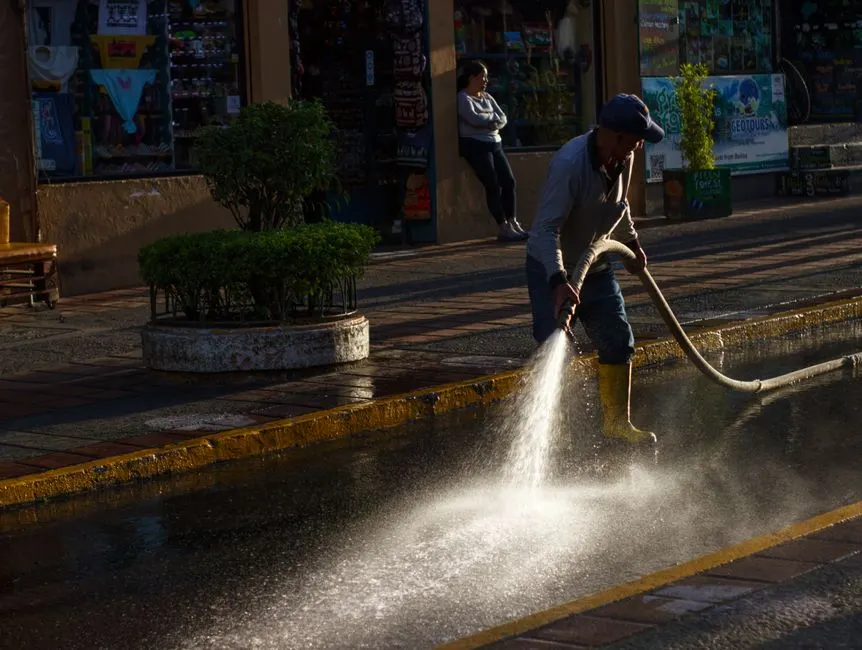
A city worker uses a hose to clean a street at dusk, highlighting urban maintenance.
Licensed Licensed & Bonded
Fully Insured Insured & Bonded
24/7 Emergency Same-Day Response
Warranty Backed Workmanship Guaranteed

What Stormwater Cleanup Includes

Basement Storm Water Cleanup covers assessment, standing-water extraction, cleaning of affected accessible surfaces, and controlled drying checks. We explain which materials need more attention and flag visible source concerns. Permanent foundation, grading, sewer, or sump repairs are separate trades; we identify those concerns without presenting water cleanup as a structural repair.

Water Source Assessment

We inspect likely entry routes such as window wells, foundation joints, floor drains, and sump pits. That helps us distinguish rainwater seepage from a plumbing leak or sewer backup before we select extraction and cleaning methods.
Standing Water Removal

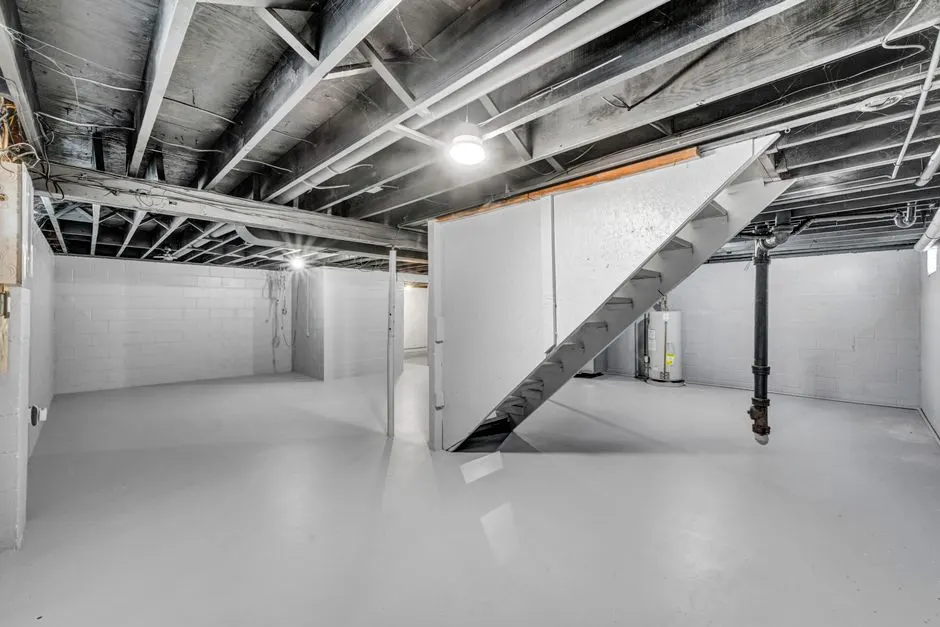
We pump or extract water from the basement floor and accessible low points, matching equipment to depth and room access. We also remove residual water around edges and accessible contents so the drying phase can begin on a cleaner surface.

Surface Cleaning

We remove loose debris and clean affected hard surfaces using methods appropriate to the water conditions. If water crossed soil or mixed with drain backup, we address contamination concerns rather than treating the affected floor like a routine spill.

Drying and Readings

We place air movers and commercial dehumidifiers where they can work across affected materials, then use moisture readings to follow progress. Drying duration depends on material, room conditions, and water exposure, not just the number of machines.

Closeout Findings

We review the areas cleaned, readings taken, and any visible concerns that could allow water to return. You get practical observations about items such as a clogged well or sump discharge issue and a clear distinction between restoration and repair.

Basement Storm Water Cleanup in Illinois


Basement Storm Water Cleanup in Illinois is a water damage restoration service that removes stormwater from below-grade spaces and dries affected building materials after heavy rain or runoff enters a home. We first identify whether water came through a window well, foundation joint, floor drain, or failed sump system. Then we extract standing water, separate salvageable contents, and measure moisture in floors and walls. The work matters because wet drywall, wood framing, and carpet padding can retain moisture long after visible puddles disappear.

Illinois homes face quick changes from freezing winter conditions to spring downpours and summer thunderstorms; saturated soil and overwhelmed drainage can push water toward basement walls. Our Illinois basement storm water cleanup addresses that storm damage while distinguishing rainwater from sewage or other contaminated floodwater. If you need cleanup for a basement flooded by heavy rain in Illinois, we assess water depth, affected materials, and electrical hazards before setting equipment. A clear source diagnosis helps prevent a repeat entry.

What Happens During Cleanup

Storm-related basement water cleanup Illinois homeowners need starts with safety and source assessment, then moves through extraction, cleaning, drying, and a final moisture check. We explain what we are doing as we work, so you know which rooms are affected and when equipment can be removed.

01

Schedule

Call or book online — a real human picks up and confirms a 2-hour arrival window.

02

Diagnose

Licensed tech inspects on-site, then walks you through the cause and your options.

03

Fix

The job is completed to code and done right the first time — no shortcuts, no surprises.

04

Guarantee

Every job backed by a written workmanship warranty — and we stand behind it.

Tools and Drying Methods

Tools & Equipment

Submersible sump pumps

We use these to move deeper standing water from a basement pit or low floor area before detailed extraction begins. Pump placement and discharge routing depend on access and site conditions.

Truck-mounted water extraction units

High-capacity extraction equipment helps remove substantial water and wet debris from accessible basement areas. We use it when volume and hose access make it a practical choice.

Moisture meters

Meters check moisture in materials such as wood and drywall at selected locations. Repeated readings help us judge drying progress and decide whether equipment needs repositioning.

Commercial dehumidifiers

These units remove moisture from basement air while air movers circulate it across damp surfaces. We size and position equipment according to the affected area and the drying conditions.

HEPA air scrubbers

When site conditions call for particle control, air scrubbers move air through HEPA filter media during cleanup. They support containment practices but do not replace extraction or surface cleaning.

Methods & Standards

ANSI/IICRC S500-based restoration

We use the ANSI/IICRC S500 Standard for Professional Water Damage Restoration as a framework for inspection, water removal, drying, and documentation. The condition of the water and building materials guides the work. We record relevant observations so the restoration plan follows the actual loss rather than a preset equipment count.

Source and water-category assessment

Before cleaning, we inspect where water entered and whether it contacted soil, drain contents, or other contaminants. The assessment determines protective equipment, material handling, and cleaning products. It also helps separate rainwater restoration from a sewer backup response.

Measured structural drying

We combine air movement and dehumidification, then recheck moisture in affected materials. If readings remain elevated, equipment placement or runtime changes. We do not call a material dry solely because it feels dry at the surface.

Label-compliant disinfection

When cleaning conditions require disinfection, we apply an EPA-registered disinfectant in line with its label directions, including contact time and surface compatibility. Cleaning comes first where residue or soil is present. Product choice follows the water conditions and affected material.

When to Call Our Cleanup Team

01

A spring downpour sends water through a basement window well and across the carpet edge.

What we do: We remove standing water, extract moisture from accessible carpet and adjoining hard surfaces, and inspect the lower wall for dampness. Air movers and dehumidifiers are placed to dry the affected area without blocking essential access through the room.

→ You get a cleared floor, a drying plan, and a clear record of which edges or materials still need monitoring or repair.

02

A summer thunderstorm overwhelms the sump pump while you are away from home.

What we do: We check the depth and spread of water, confirm safe access, and pump the basement before extracting remaining surface moisture. We note visible sump and discharge concerns and use moisture readings to decide where drying equipment belongs.

→ Water is removed from the accessible floor, wet contents are identified, and you know whether the pump system needs a separate repair.

03

Freezing winter weather is followed by thaw and runoff entering at a foundation joint.

What we do: We assess the entry point and affected materials, then extract water and begin drying. We check nearby framing and finished surfaces for retained moisture, keeping the work focused on water damage while noting any apparent exterior drainage issue.

→ The immediate water is controlled, affected materials are tracked, and you have practical information for addressing the route that let runoff inside.

04

A basement floor drain releases dirty water during a storm and leaves an uncertain odor.

What we do: We treat the source as potentially contaminated until inspection clarifies the conditions. Our crew isolates affected items, uses protective equipment, removes water, and cleans surfaces with an appropriate process. If sewage is confirmed, we shift to sewage cleanup controls.

→ You avoid spreading questionable water through the house and receive a cleanup approach suited to what actually entered the basement.

How Cleanup Works Across Illinois

Illinois weather can change from frozen ground and thaw runoff in winter to intense spring rain and humid summer storms. Each pattern affects basement water differently: frozen or saturated soil redirects runoff, while repeated downpours can expose weak window wells and overloaded sump systems. We plan Basement Storm Water Cleanup around the water depth, access, building materials, and likely source, not simply the storm forecast. In older homes, finished basements may combine masonry, wood framing, and layered flooring that dry at different rates; newer construction still needs careful checks at slab edges and utility penetrations. Our storm-related basement water cleanup Illinois service covers extraction, cleaning, and drying checks, while permanent grading, foundation, plumbing, and sewer repairs remain with the appropriate trade. For rainwater extraction and drying for Illinois basements, we record readings and adjust equipment as conditions change. In multi-unit buildings, we also keep shared stairs and mechanical access clear while work is underway.

Neighborhoods We Serve

  • Elgin residential areas

    Basement layouts and finished-room materials vary across Elgin, so we check whether water reached carpet backing, lower drywall, or stored items before choosing drying locations.

  • Wheaton homes

    After a strong storm, we inspect window wells, foundation transitions, and sump areas, then keep access routes clear for equipment and household movement.

  • Park Ridge blocks

    Tighter access and established homes can affect hose routing and equipment placement. We plan extraction around stairs, utility areas, and the materials that got wet.

  • Moline properties

    We assess basement water by entry route and material type, paying attention to floor drains, low points, and any debris carried in by runoff.

Local Conditions We Plan For

  • Frozen ground followed by thaw sends runoff toward foundation openings.

    Water may enter through low window wells or small foundation gaps as surface drainage changes. We extract water first, then identify the visible entry pattern so you can arrange a lasting exterior or foundation correction.

  • Repeated spring rain saturates soil around basement walls.

    Persistent pressure can reveal seepage at joints and increase the area that needs drying. We inspect adjoining flooring and lower wall sections because moisture can travel beyond the first visible wet spot.

  • Summer humidity slows evaporation in closed basement rooms.

    Warm, humid air can make drying less efficient without managed dehumidification and circulation. We use moisture readings to guide equipment placement and reassess affected materials during the drying period.

Window-Well Rain Entry

Before

A downpour pushed water through a basement window well and left about two inches across a carpeted room. The carpet edge was soaked, cardboard boxes had collapsed, and the lower drywall felt cool and damp. The homeowner could not tell whether water had moved behind the baseboard.

After

We extracted the pooled water, removed wet debris, and set air movers with a dehumidifier. Moisture checks identified dampness along the lower wall beyond the visible carpet edge. Follow-up readings tracked the affected area until materials reached an appropriate drying condition.

Maintenance: Keep the window well clear of leaves and debris, check that its drain is open, and inspect the well after heavy rain. Move stored cardboard off the floor so a small leak does not destroy multiple boxes.

Before

Stormwater collected around a sump pit after the pump failed to keep pace with runoff. Water spread roughly three inches across the utility-room floor, wetting stored supplies and the bottoms of nearby shelves. The family needed the area cleared before using the mechanical equipment.

After

After confirming safe access, we pumped down the standing water and extracted the remaining film from the slab. We cleaned the affected floor, checked nearby materials, and noted the visible sump discharge concern for a separate repair. Drying equipment addressed dampness around the pit and shelving.

Maintenance: Have the sump and discharge route checked before the next wet season, and keep supplies elevated on shelving. A backup power plan and a clear path to the pit help you respond if the pump stops during a storm.

Before

Dirty water rose through a basement floor drain during a storm and spread into a laundry area. The water carried grit and an unpleasant odor, making it unsafe to treat as a simple rainwater spill. A washable rug and several items stored on the floor were affected.

After

We isolated the affected area, removed the water, and cleaned surfaces using a contamination-appropriate process. The rug and stored items were assessed separately, and the floor was dried with controlled air movement. We advised the homeowner that the drain or sewer issue needed its own repair.

Maintenance: Keep floor drains accessible and avoid storing porous belongings directly on the slab. If dirty water returns, limit foot traffic and call for help rather than pushing it toward another room with a household mop.

Stop Common Stormwater Damage

A wet basement can hide more than a puddle: water wicks into drywall, runs beneath flooring, and leaves debris where you cannot see it. Our cleanup targets the immediate water and the materials affected by it. Early extraction gives you a better chance of limiting avoidable damage.

Problem

Rainwater pools around stored belongings and the basement stair landing.

Cardboard softens, fabric absorbs dirty water, and wet items can block safe access to electrical panels or mechanical equipment.

Our Fix

We establish a safe work path, extract standing water with pumps or vacuums, and help separate wet contents from dry items. We clean affected floor surfaces and set drying equipment where it can reach the exposed area. If water is near electrical equipment, we keep people clear until the hazard is isolated.

Problem

Water seeps through a foundation joint after soil becomes saturated.

A narrow damp line can spread beneath baseboards and flooring, leaving moisture in concealed edges even after the visible seepage stops.

Our Fix

We trace the wet area, remove pooled water, and check nearby materials with moisture meters. Air movement and dehumidification target the affected zone, while we note the location and pattern of entry for your foundation or drainage contractor to investigate.

Problem

A failed sump pump leaves stormwater standing around the pit.

Water can spread across the slab, soak stored items, and affect nearby finished walls before the storm has passed.

Our Fix

We pump out the affected area, extract remaining water, and inspect the visible sump setup for obvious discharge or check-valve concerns. Our cleanup team addresses water damage; a qualified plumbing or pump professional handles equipment replacement or system repair.

Problem

A floor drain backs up with rainwater and possible sewer contamination.

Contaminated floodwater can soil floors and porous belongings, and ordinary household cleaning may spread residue into unaffected rooms.

Our Fix

We assess the water source and isolate affected areas before cleaning. Where sewage is present, we use contamination controls and suitable disinfectants rather than a rainwater-only process. We remove unsalvageable affected materials when required and direct you to address the underlying sewer or drain issue.

A Drier, Safer Basement

A Drier, Safer Basement

Stormwater left under stairs, behind stored boxes, or inside carpet padding keeps damaging a basement after the rain stops. We focus on measurable removal and drying, not simply making the floor look clean. You get a documented work plan, clear equipment placement, and practical next steps for the water-entry point.

  • Water Out Faster

    We use submersible sump pumps or truck-mounted water extraction units to remove pooled water before it spreads farther across the slab. For a shallow two-inch layer in an accessible room, extraction often takes a few hours; deep water, blocked access, or multiple rooms extend the work. We protect belongings and keep hoses routed to a suitable discharge point.

  • Drying You Can Measure

    Air movers and commercial dehumidifiers reduce moisture in concrete, framing, and remaining contents. We check readings with moisture meters instead of guessing from touch or appearance. That gives you a practical record of drying progress and helps identify a damp corner that needs more attention before flooring or trim goes back.

  • Contamination Addressed

    Rainwater crossing soil, a floor drain, or outdoor debris can carry contaminants into your basement. We determine the likely water category and use appropriate disinfectants and cleaning methods for affected hard surfaces. If the water is mixed with sewage, we shift to a sewage-cleanup approach rather than treating it as ordinary rainwater.

  • Fewer Repeat Surprises

    We note visible entry points and equipment issues while cleaning, including a clogged window well or a sump pump check valve that no longer holds. You receive practical findings to pass to a drainage or plumbing professional. The cleanup addresses the water damage; correcting exterior grading or a failed drain may require separate repair work.

Standards and Work Practices

Licensed & Certified

  • IICRC Water Damage Restoration Technician — issued by Institute of Inspection, Cleaning and Restoration Certification
  • IICRC Applied Structural Drying — issued by Institute of Inspection, Cleaning and Restoration Certification
  • IICRC Applied Microbial Remediation Technician — issued by Institute of Inspection, Cleaning and Restoration Certification

Verified Reviews

Customer feedback Not published

A homeowner in Elgin described water entering through a window well after a storm. The crew extracted the standing water, identified dampness near the lower wall, and explained the drying readings. The homeowner valued knowing which materials needed continued attention instead of being told the room was dry by appearance alone.

Customer feedback Not published

A Bolingbrook homeowner called after a sump pump stopped during heavy rain. The cleanup team checked safe access, pumped out the utility area, and pointed out a discharge concern for repair. The family appreciated that extraction and pump repair were clearly treated as related but separate work.

Customer feedback Not published

A Park Ridge customer reported rainwater soaking carpet near the basement stairs. The crew extracted water, positioned drying equipment around stored furniture, and checked moisture again before closing out the visit. The customer said the clear explanation helped them understand why drying continued after the visible water was gone.

Water Damage Know-How

Our local experience includes stormwater seepage, basement flooding, sump pump failure, and water entering through foundation openings. We follow the ANSI/IICRC S500 Standard for Professional Water Damage Restoration as a technical framework for assessment, extraction, drying, and documentation. Training such as IICRC Water Damage Restoration Technician and IICRC Applied Structural Drying supports sound field decisions; we do not claim a credential unless the technician performing your work holds it. We also follow OSHA Hazard Communication Standard practices for product handling and EPA-registered disinfectant label compliance.

  • We distinguish clean rainwater from sewage backup by inspecting the entry route, drain conditions, visible debris, and odor before selecting cleaning products.
  • Moisture meters help us check concrete, wood, and drywall at several points instead of relying on a dry-looking surface.
  • Our drying plan accounts for winter freeze conditions, closed-up rooms, and summer humidity that can slow evaporation in Illinois basements.
  • We use HEPA air scrubbers when site conditions call for airborne-particle control during cleanup or material handling.
  • We document affected areas and readings so you can track which materials dried and which need repair or replacement.
Get Started Today
Water Damage Know-How

Stormwater Cleanup Questions

Real answers to the questions we hear most often from local homeowners and property managers.

How soon should storm water be removed from a basement in Illinois?
Remove stormwater as soon as the area is safe, ideally within 24 hours, to limit material damage and microbial growth. Do not enter water near live electrical equipment; have power isolated first. We inspect the water source, extract standing water, and start drying promptly. Wet carpet, drywall, and wood can hold moisture after the surface appears dry, so readings matter.
What causes rainwater to flood basements during Illinois storms?
Heavy rain overwhelms drainage, saturates soil, or exposes a weak point such as a window well, foundation joint, floor drain, or sump system. Frozen ground and clogged exterior drains can also direct runoff toward the house. We trace the entry route during cleanup and note whether the problem points to a sump pump failure, groundwater intrusion, or a separate drainage repair.
Does storm water cleanup include drying and sanitizing?
Yes, stormwater cleanup includes extraction, cleaning of affected surfaces, and managed drying; sanitizing is used when the water source and materials call for it. We place air movers and dehumidifiers, then check moisture readings rather than relying on appearance. For contaminated floodwater, we use an appropriate cleaning plan and EPA-registered products according to label directions.
Who handles basement rainwater flood cleanup in Illinois?
Illinois Basement Water Removal Pros handles basement rainwater flood cleanup in Illinois, from water assessment and extraction through drying checks. Call +18668968166 when rain has left standing water, damp flooring, or wet stored items. We identify whether the water looks like rainwater or sewage-contaminated backup, then explain the cleanup steps and equipment needed for your basement.

Related Basement Services

Emergency Basement Water Removal

When stormwater is rising or spreading toward finished rooms, emergency removal focuses on safe access and rapid extraction. We assess electrical hazards, choose pumping equipment for the water depth, and begin drying once standing water is controlled.

View Emergency Basement Water Removal

Basement Flood Cleanup

Stormwater flooding often leaves mud, debris, wet contents, and residue after pumping. Basement Flood Cleanup adds surface cleaning and material assessment to extraction, helping you address the full affected area rather than only the visible puddle.

View Basement Flood Cleanup

Basement Water Extraction

Water extraction removes pooled water from floors, carpet, and accessible low points. We match the extraction tool to the room and water volume, then check for moisture remaining in materials that still need air movement or dehumidification.

View Basement Water Extraction

Basement Pump-Out Services

A deep basement flood may need sustained pumping before detailed cleaning can begin. Pump-out service lowers the water level in a controlled way, allowing our crew to inspect the floor, locate debris, and move into extraction and drying.

View Basement Pump-Out Services

Basement Sewage Cleanup

Stormwater that enters through a backed-up sewer or floor drain is not treated as ordinary rainwater. Sewage cleanup uses contamination controls, protective equipment, and targeted cleaning to address affected surfaces and materials safely.

View Basement Sewage Cleanup

Basement Sump Pump Failure Cleanup

If a storm overwhelms or disables the sump pump, water can collect around the pit and spread across the slab. We remove the water and note visible pump or check-valve concerns so you can arrange the needed equipment repair.

View Basement Sump Pump Failure Cleanup

Get Basement Stormwater Removed

If stormwater is standing in your basement, call Illinois Basement Water Removal Pros at +18668968166. Our trained team assesses the water source, extracts pooled water, and sets up drying based on the affected materials. Call now to arrange service and discuss upfront pricing for your cleanup.

Call Now Call for Cleanup

Contact Our Referral Team

Call +1 866-896-8166 any time to report basement flooding, a sump pump failure, or a sewer backup in Illinois. Tell us your city, whether water is still entering, and if the water may be contaminated. We route your request to an independent company serving your area so you can discuss the next steps directly.

Or call us right now at +18668968166 — we answer.

Illinois Basement Water Removal Pros


  • Phone

    +18668968166
  • Address

    Illinois

  • Hours

    Mon–Fri: 7AM – 7PM
    Sat: 8AM – 4PM
    Sun: Emergency Only
    24/7 Emergency Available

Call +18668968166 Get Quote
Call Quote