Residential Basement Water Removal in Palatine
Palatine homes include basements used for laundry, storage, recreation, and finished living space, so a small leak can disrupt several parts of the household. We handle water from failed sump pumps, burst pipes, appliance connections, and stormwater intrusion. Basement water extraction in Palatine, Illinois starts with a source and safety check, followed by removing water and checking how far it traveled. If you have children, pets, or a home office downstairs, tell us which areas need to remain clear. We plan the work path, protect nearby belongings, and explain where drying equipment will sit. Our goal is to get the affected space cleaned and dry while keeping the household's essential routes and utilities accessible whenever safe.
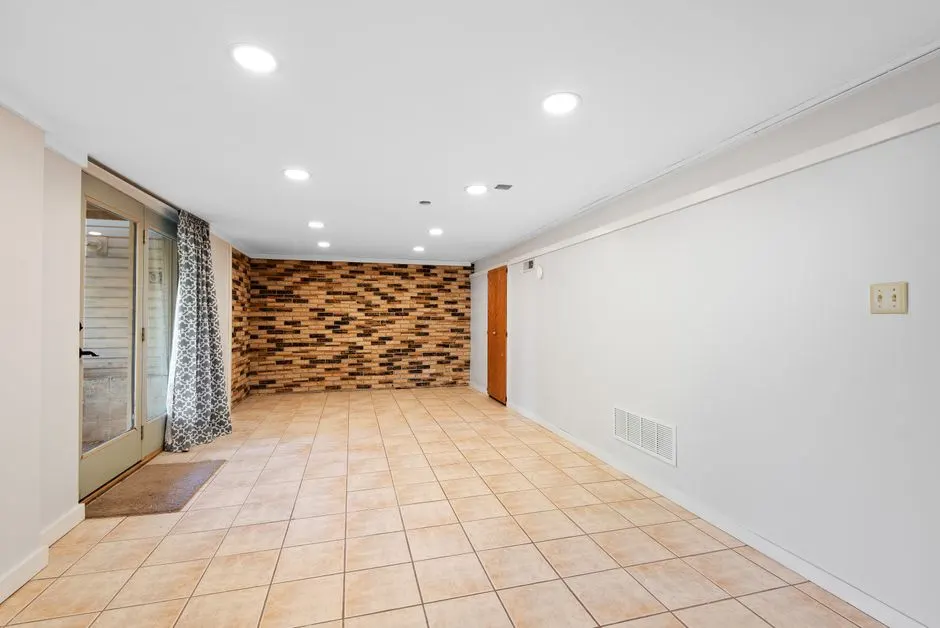
- Finished-room water extraction — We remove water from finished Palatine basements and check floor edges, baseboards, and adjoining rooms for moisture spread. Furniture and contents are moved only as needed to reach wet areas safely. We use readings to guide drying rather than assuming carpet or flooring is clear because the top surface feels dry.
- Sump failure cleanup — When a sump pump stops working, we pump out standing water and inspect the affected floor area after the source is controlled. We note visible float or discharge issues for repair coordination. In Palatine homes, early extraction helps protect stored belongings and limits prolonged contact with wet flooring.
- Burst pipe water removal — A burst pipe can wet a wall cavity and nearby flooring in a short time. We help you get the water shut off safely, extract the released water, and check materials around the pipe route. Drying placement follows moisture readings so affected areas receive airflow without needlessly disturbing dry rooms.
- Appliance leak cleanup — A leaking washer, water heater, or utility appliance can leave water under nearby items and along the wall. We extract the water, clean hard surfaces, and check adjacent materials for wicking. Palatine homeowners get a practical account of the affected area and the drying steps still underway.