
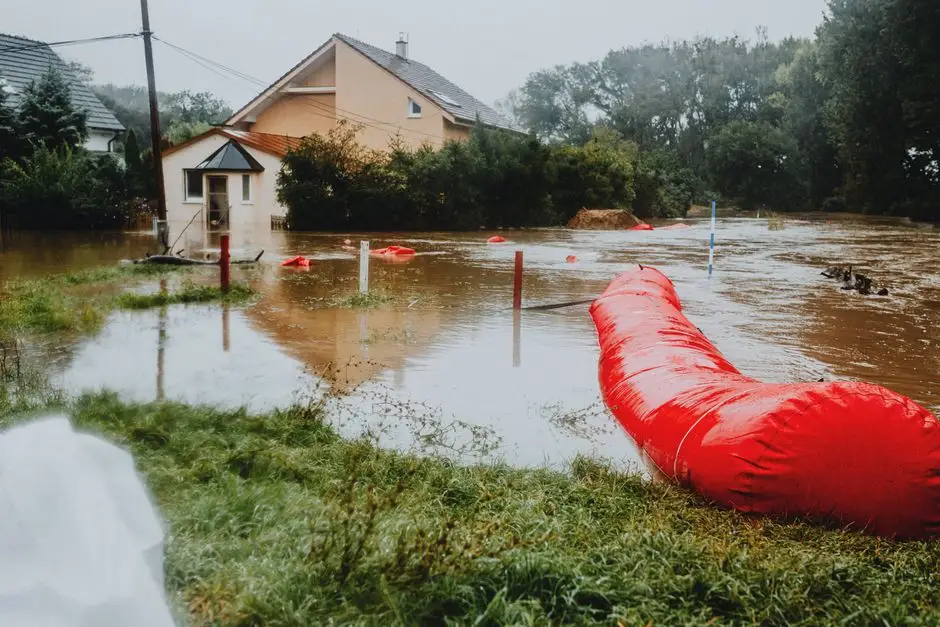
Basement water smells like sewage after a flood because wastewater has entered the basement through a backed-up drain, an overloaded sewer system, or contaminated floodwater carrying waste into the home. The odor can also come from sewer gases released by a dry or disturbed floor drain, but until the source is clear, treat the water as contaminated. We'll explain how to recognize the difference, what to avoid, and how safe cleanup removes both the water and the odor.
In Illinois, heavy rain, frozen-ground runoff, and overwhelmed storm or sanitary sewers can all contribute to basement flooding. Basement Water Smells Like Sewage After a Flood is an urgent contamination warning that calls for identifying the source, removing affected materials, and disinfecting surfaces-not just masking the smell.
Why does basement water smell like sewage after a flood?
Basement floodwater in Illinois smells like sewage when wastewater or sewer gas reaches the room through a drain, plumbing fixture, or floodwater pathway. A strong rotten-egg or fecal odor is a reason to keep people and pets away while you identify the source.
During intense rain, municipal sewer lines can exceed capacity. In older areas with combined sewer systems, stormwater and sanitary sewage share pipes; pressure can push wastewater back through a basement floor drain, toilet, or shower. A blockage or damaged private sewer lateral can cause a similar backup, even without widespread flooding.
Not every sewer-like smell means sewage is visibly present. Flooding can displace water from a floor-drain trap, allowing sewer gas to enter. The trap is the curved section of pipe that holds water and blocks gases. If it dries out or gets siphoned, odor can escape even when the floor is mostly dry.
Standing water also mixes with organic matter from floor drains, laundry areas, stored items, and soil. Bacteria begin breaking down that material, and the odor gets worse as water sits. Warm, damp conditions accelerate the process; odors and microbial growth can become noticeable within 24 to 48 hours.
Our team handles the extraction and sanitation side of the problem through Basement Water Removal in Illinois. The key is to determine whether the source is a drain backup, contaminated outside water, or sewer gas before deciding how to clean.
How to tell whether floodwater contains sewage
Floodwater in an Illinois basement should be treated as sewage-contaminated if it came from a toilet, floor drain, or other wastewater fixture, or if its source is unknown and it has a sewage odor. Appearance alone cannot confirm that water is safe.
Look for clues without walking through the water. A toilet or floor drain that overflowed, gray or black water, visible solids, toilet paper, or a sudden strong sewer odor all point to a possible sewer backup. Water that entered through a foundation wall during a storm can still pick up contaminants from soil, debris, or a drain opening.
Ask yourself where the water entered and what it touched. A small, clear leak from a supply pipe is different from water that backed up through a drain. But clear water can become contaminated after contact with sewage, soaked carpeting, or porous stored goods.
- Possible sanitary sewer backup: water rose through a toilet, shower, laundry drain, or floor drain.
- Possible contaminated stormwater: outdoor floodwater entered at ground level or through a drain and has an unusual odor or debris.
- Possible sewer-gas issue: the odor remains after water is removed, with no visible wastewater, and a floor-drain trap may be dry.
Do not use smell as a test of safety. Harmful bacteria and viruses can be present without a strong odor, while sewer gas can smell intense without a visible pool of wastewater. For residents dealing with heavy rainfall in the Fox Valley, Basement Water Removal in Aurora addresses the water intrusion side of a basement emergency, while a plumber can investigate a recurring sewer-line backup.
What sewage contamination cleanup involves
Sewage contamination cleanup in Illinois means isolating the affected area, extracting wastewater, removing unsalvageable porous materials, cleaning hard surfaces, and applying an appropriate disinfectant. It is more than pumping out water or spraying air freshener.
First, we identify the likely source and limit access to the affected space. If water is near electrical outlets, appliances, or a furnace, do not enter to operate switches or equipment. Power should be shut off from a dry, safe location by someone qualified to do so.
Next, technicians use pumps or extraction equipment suited to the water depth and contamination. A few inches of water across a 500-square-foot basement equals roughly 1,560 gallons, so extraction speed and safe disposal matter. Cleanup also includes checking behind baseboards and under flooring, where dirty water can remain trapped.
Porous materials that absorbed sewage-such as carpet padding, cardboard, upholstered furniture, and some drywall-often need removal rather than surface cleaning. Hard, nonporous surfaces can be washed and disinfected according to product directions. Disinfectant contact time matters: wiping a product away immediately can leave the surface untreated.
Our Basement Sewage Cleanup in Illinois service focuses on extraction, contaminated-material removal, and disinfection. If your basement flooded from rain rather than a plumbing fixture, Basement Storm Water Cleanup in Illinois can address storm-driven water while the contamination risk is assessed.
Odor removal comes after the source and contaminated materials are addressed. We clean affected surfaces, dry the structure with air movers and dehumidification, and check hidden areas rather than covering the smell with fragrance. Drying commonly takes several days, depending on the amount of water, materials, and airflow.
Mistakes that spread sewage contamination
Common cleanup mistakes in a flooded Illinois basement spread wastewater to clean rooms, expose people to contaminants, or leave odor-producing material behind. A careful first response helps keep the problem contained.
Do not walk through contaminated water and then track it upstairs. Keep children and pets out, and avoid moving wet boxes, rugs, or furniture through hallways. If you must approach the area to close a door, do so only if there is no electrical hazard and you can avoid contact with water.
- Do not run a household shop vacuum on sewage water; the equipment can spread contaminated droplets and is not designed for that exposure.
- Do not mix bleach with ammonia, acids, or other cleaners. Some combinations release toxic gases.
- Do not run a furnace or central air system that draws air from the affected basement.
- Do not seal wet carpet, drywall, or wood behind new flooring or trim.
Disposable gloves and boots do not make a significant sewage cleanup a safe do-it-yourself job. Protective equipment must match the hazard, and contaminated debris needs careful handling. If you have a small, clearly clean-water leak, the response differs; a sewage odor or drain backup changes the risk.
When to call a professional for basement sewage cleanup
Call a professional for Illinois basement sewage cleanup when wastewater backed up through a drain, floodwater has a sewage odor, contaminated water covers a broad area, or porous materials are soaked. Professional response is especially important when the source is uncertain or the water reached electrical equipment.
Leave the basement and get help immediately if anyone develops nausea, dizziness, eye irritation, or breathing difficulty around a strong sewer-gas odor. Do not try to locate the gas source by entering a closed, poorly ventilated room. Contact the appropriate emergency service if there is an immediate health or electrical danger.
Illinois Basement Water Removal Pros can remove floodwater, separate contaminated materials, clean affected surfaces, and dry the basement. We also help distinguish stormwater intrusion from a sewage backup so you know which parts of the damage need attention. For repeated backups, have a licensed plumber inspect the building sewer line; cleanup does not correct a blocked or damaged pipe.
For homeowners in the Chicago area, older basements and intense rain can make drain backups especially disruptive; our crew also provides Basement Water Removal in Chicago. We'll focus first on stopping the spread, then on removing the water and the odor source.
Frequently Asked Questions
Is basement water that smells like sewage dangerous?
Yes. Treat sewage-smelling basement water as contaminated and keep people and pets out until cleanup is complete. Wastewater can carry disease-causing organisms, and sewer gas can irritate the eyes and airways. The smell alone cannot measure the health risk, so avoid contact and arrange an assessment promptly.
Can storm flooding cause a sewer smell in the basement?
Yes. Heavy rain can overload sewer lines and push wastewater through basement drains, especially during intense storms. Floodwater entering from outdoors can also carry debris and contamination. If the odor begins during or just after a storm, keep clear of drains and treat the water as unsafe until the source is identified.
Should I clean sewage-smelling basement water myself?
No, not if water came from a drain, contains visible waste, or covers a large area. Avoid contact and do not use a household vacuum or mix cleaning chemicals. For a small, clearly clean-water spill, ordinary cleanup may be reasonable; a sewage odor or uncertain source calls for professional assessment.
Who provides basement sewage cleanup in Illinois?
Illinois Basement Water Removal Pros provides basement water extraction and sewage cleanup across Illinois. Our team removes affected water and materials, cleans and disinfects suitable surfaces, and dries the structure. A plumber should also inspect the sewer line if a drain backed up or the problem returns.
How long does sewage odor removal after flooding take?
Odor removal often takes several days because the water source, wet materials, and hidden moisture all need attention. Structural drying commonly takes 3 to 5 days, though heavy saturation can extend that period. Persistent odor after drying usually means contaminated material or a sewer-gas source still needs investigation.